Chapter 10 Insights
Signs · 623 insights
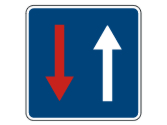
At narrow passages, the driver who finds the priority arrow sign goes first.
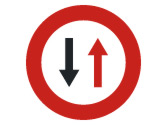
The red arrow narrow-passage sign requires you to yield and not enter if oncoming traffic must stop.
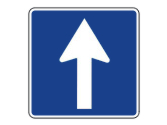
One-way road signs allow turning but never a U-turn against the flow.
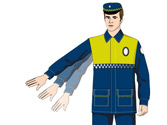
An officer raising and lowering an arm alternately orders you to reduce speed.
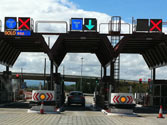
Red crosses close lanes, green arrows open them; obey overhead lane signals at tolls.
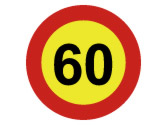
A yellow-background speed sign shows the maximum speed through roadworks for all vehicles.
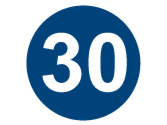
A round blue sign with a number indicates the minimum mandatory speed.
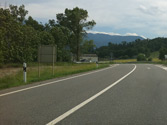
You may drive left of a continuous line only when it doesn't separate opposing directions.
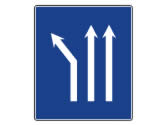
Lane-configuration signs show upcoming forks and which lane will branch off.
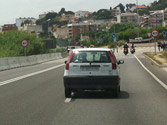
Broken centre lines may be crossed only on lanes narrower than 3 metres when safe.
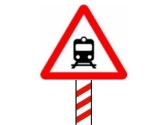
Inclined stripe signs warn of a level crossing without barriers; right tilt means right side.
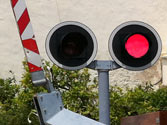
Flashing red lights temporarily prohibit passage at crossings, bridges, or fire station exits.
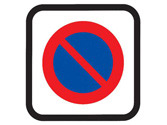
The blue parking sign with a clock symbol means time-limited parking requiring a start-time display.
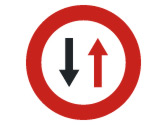
The red-arrow narrow passage sign means you must reverse if oncoming traffic can't pass.
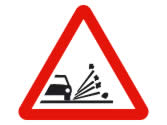
The gravel-warning sign indicates risk of stones being thrown up by passing vehicles.
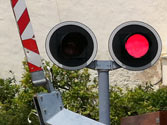
Two alternating flashing red lights at level crossings prohibit passage until they go out.
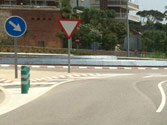
Mandatory-direction signs only oblige passing on a side; you may still turn at the next intersection.
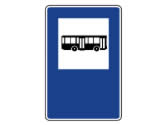
A blue square with a bus icon and lines marks a reserved bus stop, not a bus lane.
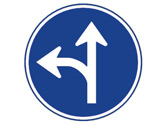
Mandatory-direction signs showing only straight or left forbid right turns and U-turns.
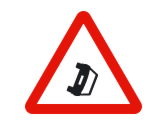
The triangular sign with a stopped vehicle warns of obstacles on the roadway ahead.
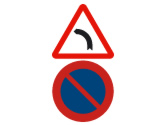
Parking prohibitions end at the next intersection, not when an associated danger ends.
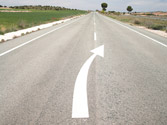
The return arrow warns a continuous line is approaching; move into the right lane promptly.
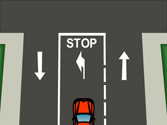
At STOP signs, halt at the stop line if present, otherwise just before the intersection.
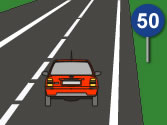
Round blue speed signs set a minimum speed; driving faster is permitted.
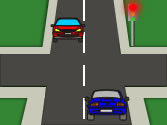
A non-flashing red light prohibits passage in any direction, including right turns.
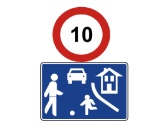
Residential zones limit speed to 10 km/h and grant pedestrians full priority and use of the area.
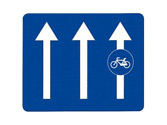
A bike lane sign makes that lane mandatory for cyclists and forbidden to other vehicles.
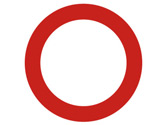
The blank red circle prohibits all vehicle circulation in both directions.
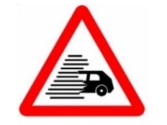
The triangular sign with vertical lines warns of reduced visibility from fog, rain, or smoke.
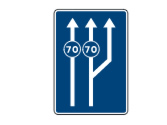
Lane minimum-speed signs require meeting that speed but still favour the right lane when possible.
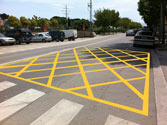
Yellow crosshatch markings forbid stopping inside where you would obstruct cross traffic.
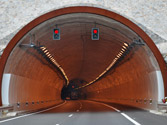
Stop at any red light, including those at tunnel entrances, until it changes.
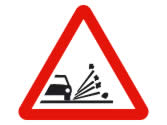
Loose-gravel signs require slowing down, increasing distance, and avoiding sudden manoeuvres.
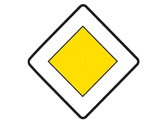
The yellow diamond sign grants priority at intersections over vehicles on crossing roads.
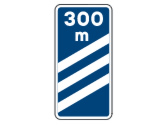
Diagonal exit signs show distance and side; ascending right means exit on the right.
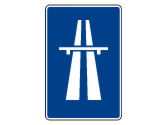
The blue motorway sign marks where motorway-specific traffic rules begin.
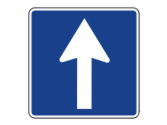
Mandatory-direction arrow signs allow turns to either side but prohibit U-turns.

This sign mandates dipped headlights at minimum, regardless of visibility or road lighting conditions.
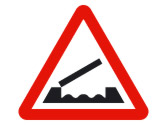
A movable bridge sign warns of a bridge that may raise or swing, interrupting traffic.
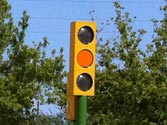
Steady yellow means stop, just like red, unless stopping safely is impossible.
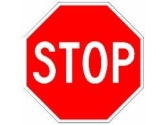
STOP signs always require a complete stop and yielding to crossing traffic.
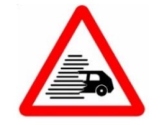
This triangular sign warns of reduced visibility without specifying its cause.
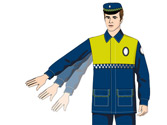
An officer's arm moving up and down orders you to reduce speed.
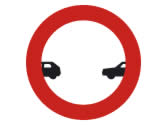
Always maintain enough separation to stop safely if the vehicle ahead brakes suddenly.
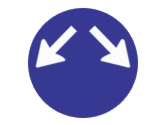
Arrows on a refuge sign indicate which side(s) vehicles must pass it on.
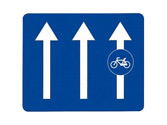
A lane marked with a cycle silhouette is reserved exclusively for cyclists.
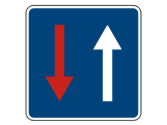
The 'priority over oncoming traffic' sign means you go first through the narrow passage.
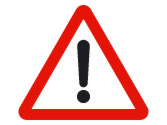
A triangle with an exclamation mark warns of an unspecified danger ahead.
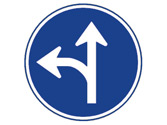
Arrows showing mandatory directions prohibit U-turns and any unlisted movements.
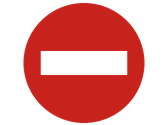
A 'no entry' sign forbids all vehicles from entering, though exit remains permitted.