Chapter 10 Insights
Signs · 623 insights
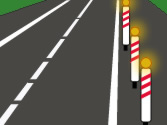
Yellow flashing lights, steady or alternating, prohibit crossing the line they form.
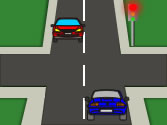
A steady red light requires stopping before turning, even when turning right.
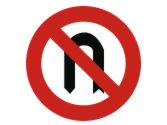
A no-U-turn sign forbids only U-turns; left turns remain allowed.
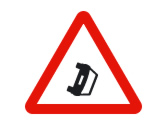
This sign warns of obstruction on the carriageway from accident, breakdown or other causes.
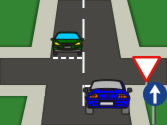
A give way sign requires stopping only if necessary, unlike a STOP sign.
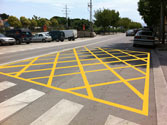
Yellow crossed lines forbid remaining stopped where you would obstruct cross traffic.
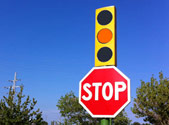
A steady yellow light requires stopping like a red, unless safe stopping is impossible.
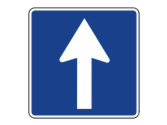
Direction-of-travel arrows prohibit U-turns but not direction changes.
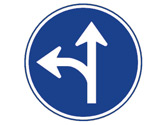
Arrow signs only permit the directions shown; U-turns are not allowed.
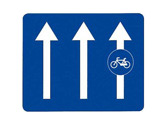
A bike lane sign attached to the road makes that lane exclusive to cyclists.
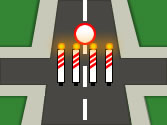
A no-entry sign with markers prohibits all vehicle traffic across the entire road.
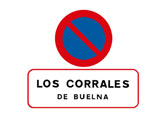
A regulatory sign placed at a town entrance applies throughout the whole built-up area.
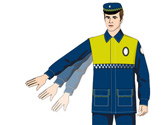
An officer's arm moving up and down means reduce speed.
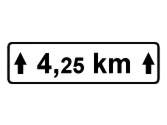
A panel with arrows on both sides indicates the length over which the rule applies.
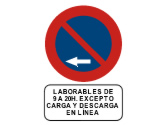
A no-parking sign with time exception only restricts parking within the stated hours.
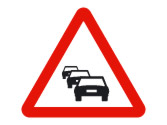
This sign warns of an upcoming traffic congestion or stopped traffic ahead.
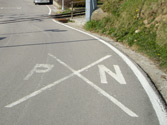
This road marking warns of an approaching level crossing, with or without barriers.
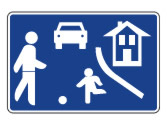
A residential zone sign gives pedestrians priority over all vehicles.

This sign requires switching on at least dipped beam headlights regardless of visibility.
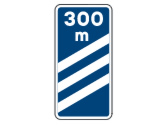
Diagonals rising left to right indicate an exit on the right at the shown distance.
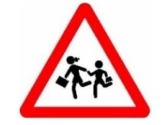
This sign warns of an area frequented by children, who do not have priority.
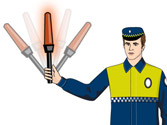
A swinging red or yellow light from an officer requires those facing it to stop.
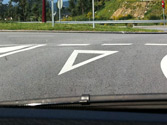
A give way sign requires yielding to vehicles approaching from both right and left.