Chapter 10 Insights
Signs · 623 insights
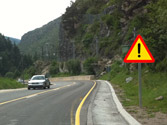
A yellow background on a warning sign means the hazard is within a roadworks zone.
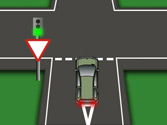
Traffic lights take precedence over vertical signs and road markings.
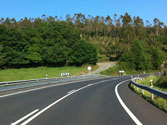
With a continuous and broken line together, obey only the line nearest your lane.
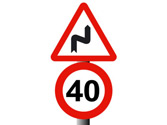
A speed limit on the same post as a hazard sign ends when that hazard ends.
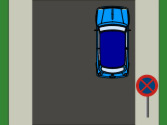
A no stopping/parking sign applies only to the side of the road where it is placed.
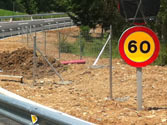
A red-bordered circular sign with a number sets the maximum permitted speed in km/h.
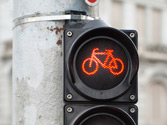
A traffic light with a bicycle silhouette applies exclusively to cycles.
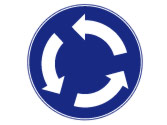
At a roundabout, all turns and U-turns must follow the direction shown by the arrows.
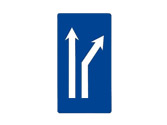
This sign warns that the right-hand lane will fork off on a two-lane carriageway.
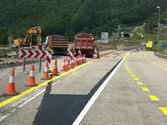
In roadworks zones, yellow markings override white ones.
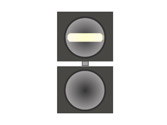
A white stripe on a black traffic light applies only to trams and scheduled buses.
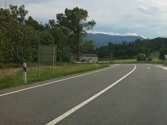
A continuous line separating directions of traffic must never be crossed, prohibiting left turns.
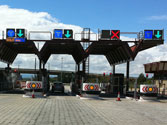
At toll plazas, enter only the lane marked by a green downward arrow.
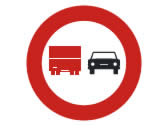
This sign forbids trucks over 3,500 kg MAM from overtaking any motor vehicle.
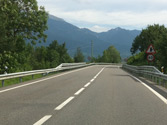
Shorter gaps in a broken line warn of an approaching continuous line or special hazard.
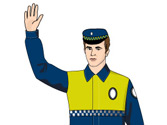
An officer's vertically raised arm requires all approaching road users to stop.
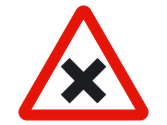
This warning sign indicates an upcoming intersection where vehicles from the right have priority.
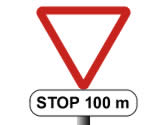
A yield sign with a distance panel pre-signals an upcoming mandatory stop.
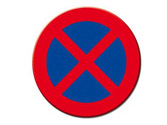
This sign prohibits stopping and parking on its side until the next intersection.
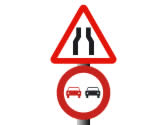
A no-overtaking sign with a hazard warning ends only at the end-of-prohibition sign.
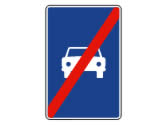
This sign marks the end of a road reserved for motor vehicles.
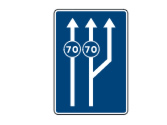
Even when meeting the minimum speed, drive in the right-hand lane when possible.
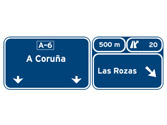
Advance direction signs on motorways show exits with distance, junction number, and pictogram.
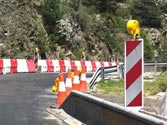
Roadworks affecting traffic must be signposted both day and night.
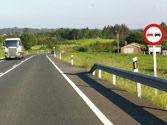
Signs apply across the full width of the carriageway unless markings limit them to lanes.
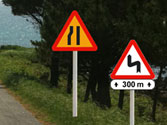
Yellow-background warning signs indicate hazards such as bends or narrowing within roadworks.
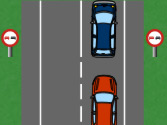
A no-overtaking sign combined with a continuous central line prohibits overtaking.
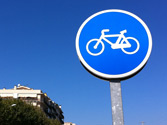
A blue circular sign with a bicycle requires cyclists to use that route exclusively.
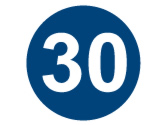
A blue minimum speed sign requires driving at least at the indicated speed.
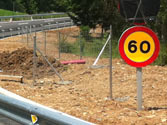
Yellow-background signs keep their usual meaning but apply only within the roadworks section.
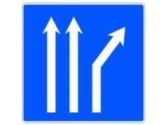
This sign warns that the right-hand lane will fork off the carriageway.
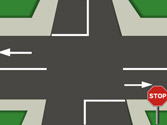
At a STOP sign, halt before the transverse line and yield before proceeding.
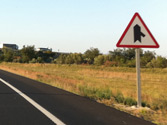
Even with priority, you must facilitate the merging of vehicles entering the road.
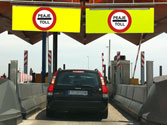
At a toll, customs or police post, stopping is mandatory before continuing.
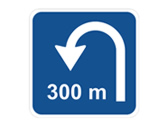
This sign indicates the distance to a same-level U-turn area.
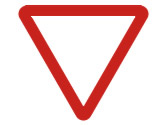
A yield sign requires giving way without necessarily stopping if the road is clear.
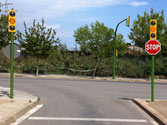
A flashing amber light does not override a STOP sign requiring you to halt.
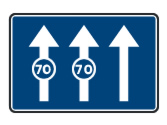
Lanes with a minimum speed sign require travelling at or above the indicated speed.
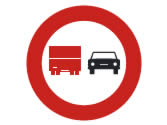
This sign prohibits trucks over 3,500 kg MAM from overtaking other motor vehicles.
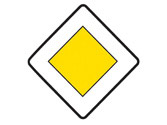
This sign grants priority at intersections to vehicles travelling on this carriageway.
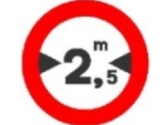
A maximum width sign prohibits vehicles wider than indicated, including their load.
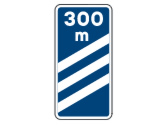
Diagonal lines on an exit sign indicate the side and distance to the next exit.
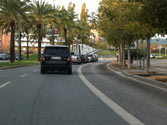
A noticeably wider continuous or broken white line marks a special lane.
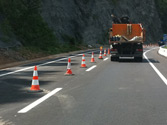
Cones and similar devices prohibit crossing the line they form.
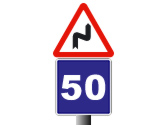
Recommended speed below a hazard sign applies only along that hazardous section.
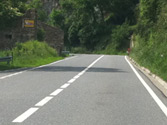
Closely spaced broken-line dashes warn of a continuous line or hazardous section ahead.
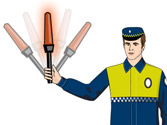
An officer swinging a red or yellow light orders those it points to to stop.
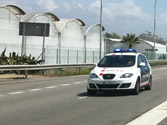
An officer's arm extended downward at an angle and still orders you to stop on the right.
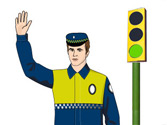
Officers' orders override traffic lights and all other signs and rules.
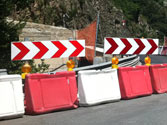
Directional panels prohibit passage and indicate the direction traffic must follow.