Chapter 4 Insights
Road safety · 606 insights

Visual acuity decreases at night, requiring extra caution and lower speed.
Conversing or arguing with passengers can promote distraction at the wheel.
Weather conditions affect grip and therefore influence braking distance.
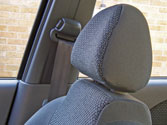
Headrests on every seat help prevent serious cervical (neck) injuries.
On poor roads, reduce speed and increase your safety distance.
Before driving with an illness, learn the side effects of any medication taken.
Young drivers often overestimate their abilities and take excessive risks.
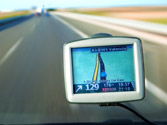
Never place a GPS mount where it could obstruct an airbag's deployment.
Ecstasy reduces concentration and increases distractions while driving.
Speed, alcohol and illness all count as serious driving risk factors.
On long trips, rest every two hours to prevent fatigue.
Don't place anything on the seat — it can cause the dangerous submarine effect.
Fatigue causes slow, imprecise movements that make driving more dangerous.
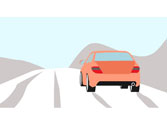
On snow, drive in the tracks left by other vehicles to improve grip.

Cyclists may ride without a helmet in extreme heat conditions.
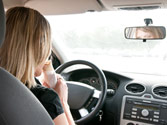
Eating or drinking at the wheel causes distraction and reduces vehicle control.
Drowsiness peaks in the early morning and early afternoon hours.

Speed and alcohol cause the tunnel effect, narrowing vision to the road's centre.
Smoking at the wheel impairs hand control, visibility and attention.
Medications affect each person differently depending on physical condition.
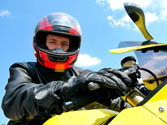
A motorcycle helmet must always be worn properly fastened — no exceptions.
Long drives without adequate rest breaks promote driver fatigue.

Sneezing fits make drivers close their eyes, reducing concentration on traffic.
Low ambient light is an external factor that promotes driver distraction.
Aquaplaning causes loss of grip when water and excessive speed combine.
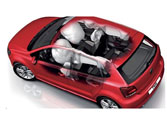
Airbags protect against cervical injuries and impacts with vehicle interior elements.
Professional drivers, including bus drivers, must not exceed 0.15 mg/L in exhaled air.
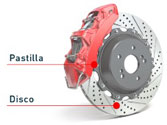
Brakes are an active safety device that helps prevent accidents.
Hypnotic drugs act on the nervous system and increase reaction time.
Respiratory allergies reduce the driver's ability to maintain concentration in traffic.
Drivers may request a second breathalyser test, taken at least 10 minutes later.
A mild illness allows driving only with the precautions advised by the doctor.
Lorry drivers must wear the seatbelt on all roads, urban and interurban.
Drivers on medication must consult a doctor about effects on driving.
Novice drivers' alcohol limit is 0.15 mg/L in exhaled air for two years.
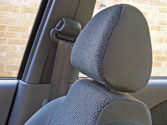
The headrest is a key passive safety element preventing cervical injuries.
Fatigue makes driving more automatic and less actively engaged.
Reduce vehicle-related risk through proper inspections and regular maintenance.
When fatigue or drowsiness appears, park safely and rest as long as needed.
Fog wets the road surface, reducing tyre grip and braking effectiveness.
Even a simple painkiller can affect driving ability.

Drug use significantly impairs road safety and the abilities needed to drive.
Complex traffic situations with many stimuli promote driver distractions.
On three-lane two-way roads, use the centre lane only to overtake or turn left.

Right-side wind plus the screen effect when overtaking lorries can throw you off course.
Driving under the influence of alcohol or drugs is a criminal offence.
Stress increases the sensation of fatigue and impairs safe driving.
Driving under drug influence puts everyone around you at serious risk.
Minors taller than 1.35 m may travel in the front seat using the adult belt.
A common cold can cause drowsiness and impair driving ability.