Chapter 4 Insights
Road safety · 606 insights
Drive on the shoulder and exit if moving slowly on a motorway.
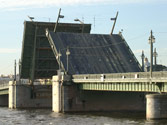
Stop behind the barrier at movable bridges and level crossings.
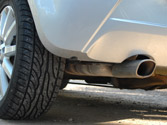
Keep the exhaust and silencer in good condition to reduce noise.
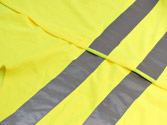
Carry at least one reflective vest in your vehicle.
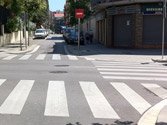
Do not signal pedestrians to cross at a pedestrian crossing.
Most fatal accidents occur on interurban roads.
Accidents peak in the afternoon during commuting hours.
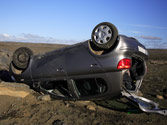
Road accidents are a global public health priority.

Coffee or tea do not lower blood alcohol levels.

Use non-sedating antihistamines when driving frequently.
Pregnant women must wear seat belts at all times.
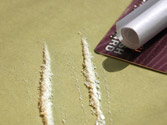
Cocaine decreases a driver's ability to concentrate.
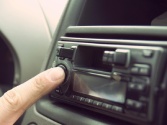
Adjusting the radio can distract the driver and increase accident risk.
Distraction at the wheel leads to slower reaction times.
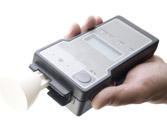
Pedestrians involved in accidents can be required to take alcohol tests.
Rest every 2 hours on long journeys to combat fatigue.

Alcohol is eliminated from the blood very slowly.
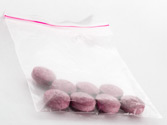
Do not drive after consuming amphetamines.
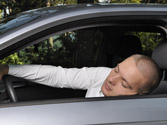
Sleepiness can cause accidents even during daytime hours.

Alcohol on a full stomach is absorbed more slowly but still risky.
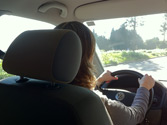
Headrest distance should be as small as possible, no more than 4 cm.
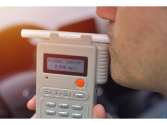
A second alcohol test is performed for greater certainty.
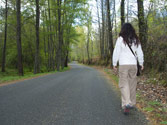
Pedestrians often violate rules, increasing their run-over risk.
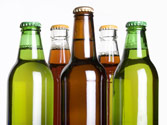
Even small amounts of alcohol impair driving ability.
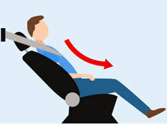
The submarine effect occurs when the body slides under the seat belt.
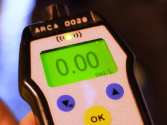
The safest blood alcohol level for driving is 0.0 grams per liter.
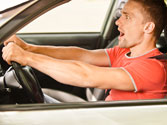
Young drivers often overestimate their abilities, increasing accident likelihood.
Driving at night with poor lighting increases fatigue.

Drivers with depression are generally less safe on the road.
The human factor causes 70-90% of traffic accidents, far more than road or vehicle factors.
Alcohol reduces the visual field, producing the tunnel effect where only the center of the road is seen clearly.
A driver's ability is shaped by training, experience, and current psychophysical state.
Children under 1.35m must ride in the back with a restraint system; taller children may use the front seat.

Alcohol reaches its peak effect roughly one hour after the last drink.
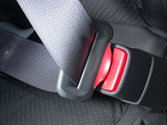
Seat belts are mandatory for all occupants, in all seats, on all roads.

Alcohol effects peak about one hour after the last drink, then slowly diminish.
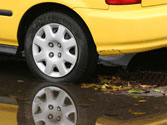
Wet brakes lose efficiency, doubling the braking distance in rain and up to tenfold on ice.
Alcohol increases reaction time, lengthening the stopping distance.
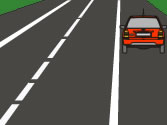
Signal an immobilised vehicle by placing the V-16 luminous device on its highest visible point.
Always put on a certified high-visibility reflective vest before exiting the vehicle on an interurban road.
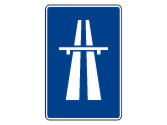
On motorways, always activate hazard lights and place the V-16 device on the highest visible point of the vehicle.
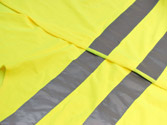
The approved reflective vest must be visible from at least 150 metres away.
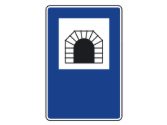
In tunnels, keep at least 100 metres or 4 seconds from the vehicle ahead (150m/6s for vehicles over 3,500kg).
Reaction distance and braking distance are different components that together form the stopping distance.
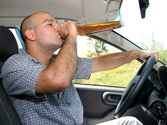
Maximum blood alcohol level is reached 30 to 90 minutes after the last drink.
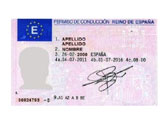
Novice drivers (first 2 years) have a stricter alcohol limit of 0.15 mg/L in exhaled air.
Alcohol consumption increases reaction time, even in small amounts.
The person is the main cause of traffic accidents, responsible for 70-90% of them.
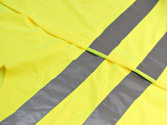
Carry the reflective vest inside the passenger compartment so you can put it on before exiting the vehicle.

The motorcycle driver is responsible for ensuring the passenger wears their helmet correctly fastened.