Chapter 4 Insights
Road safety · 606 insights
Reaction time depends on the driver's physical and mental state, not on speed or road conditions.
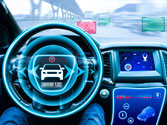
Lane Keeping (LDW) deactivates during evasive manoeuvres or when the turn signal is on.
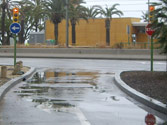
Water on the road reduces tyre grip, so slow down and increase your safety distance.
Yawning, shifting position and neck discomfort are early warning signs of driver fatigue.
Cyclists are drivers and may not ride after consuming alcohol or narcotics.
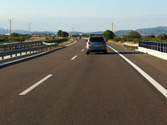
Drive safely by looking far ahead, scanning the sides, and checking mirrors regularly.
Stress impairs concentration and increases the likelihood of distractions while driving.
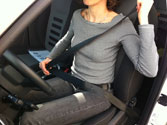
The lap belt must sit on the hip bones, never across the abdomen, to avoid serious internal injuries.
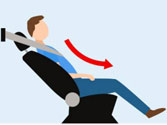
Submarining occurs when the seatbelt or seat is misused, letting the body slide under the belt.
Heat and poor ventilation inside the vehicle accelerate fatigue and slow reactions.
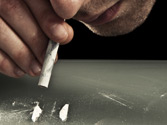
Cocaine makes drivers more competitive, impulsive and prone to risk-taking.
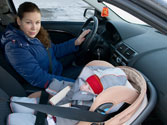
A rearward-facing child seat in the front requires the airbag to be deactivated.
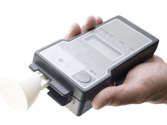
A second breath test is performed if the driver shows obvious symptoms of alcohol influence.
Material accident costs include damage to vehicles, the road, and the environment.
Mobile phone use, even hands-free, is the leading cause of distraction at the wheel.
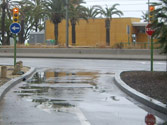
Adverse weather makes motorcycles more unstable and prone to sudden movements or falls.
Sleep problems mean you are not in optimal condition to drive safely.
Driving with windows down alters aerodynamics and increases fuel consumption.
Always wear the seatbelt: even at low speeds, it keeps you secured in your seat.
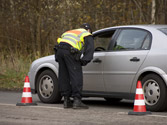
Alcohol checks are normally performed by measuring exhaled air with an approved breathalyser.
Most fatal road accidents occur on interurban roads, especially conventional ones.
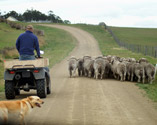
Herds must travel as close as possible to the right-hand edge of the road.
The general alcohol limit is 0.25 mg/l in exhaled air (0.15 for professionals and novices).
Amphetamines impair driving ability and pose serious risks at the wheel.
If you have a respiratory allergy, keep the windows closed to block pollen.
Phone calls over 90 seconds, even hands-free, cause drivers to miss many road signs.
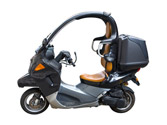
A motorcycle helmet may be omitted only if the bike has a self-protection structure and seatbelt recorded on the ITV.
Active safety includes lighting, tyres, brakes, suspension and steering — systems that prevent accidents.
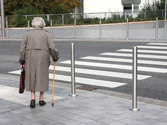
Elderly drivers tend to have more accidents when alone than when accompanying children.
Emergency braking technique differs between vehicles with ABS and those with conventional brakes.
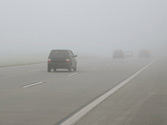
In thick fog, reduce speed to match your reduced field of vision.
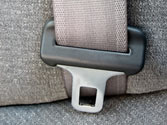
All occupants of a passenger car must wear a seatbelt, on urban and interurban roads alike.
Higher speed reduces field of vision and reaction capacity, making the vehicle harder to control.
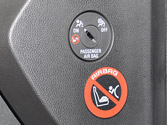
Always deactivate the front airbag when fitting a rearward-facing child seat in that position.
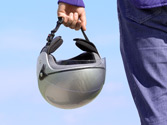
Replace the helmet after any blow, since internal damage may not be visible.
Heavier vehicle loads lengthen the braking distance needed to stop.
Defensive driving means following the rules and anticipating that others may break them.
The only truly safe blood alcohol level for driving is 0.0 g/l.
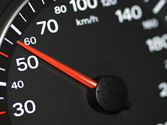
RCTA intervenes on the brakes only when the vehicle is reversing below 15 km/h.
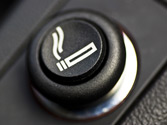
Smoking while driving distracts and reduces one-handed manoeuvring ability.
Fatigue lengthens reaction time, increasing the risk of accidents.
Reaction distance is the distance travelled during reaction time, growing with speed.
Motorcyclist clothing should be leather or abrasion-resistant material to protect against accident injuries.
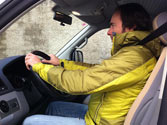
Bulky coats prevent the seatbelt from fitting the body properly, reducing its effectiveness.
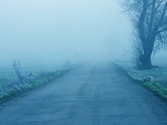
Ventilate the cabin in fog to prevent windows from misting up and worsening visibility.
Peak alcohol effect is reached around 30–90 minutes after consumption.
Use the indicator on the side where you intend to stop to warn following drivers.
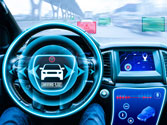
Permitted ADAS in the driving exam include AEBS emergency braking and Hill Holder.
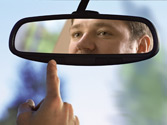
Every glance at the mirror is time not watching the road, slightly raising accident risk.
If an insect enters the cabin, stop in a safe place before removing it.