Chapter 4 Insights
Road safety · 606 insights
Stress slows decision-making and increases driving errors.
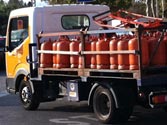
Goods distributors may skip the seatbelt in built-up areas during frequent loading and unloading stops.
In rain, watch out for speed bumps and puddles, and reduce speed when crossing water.
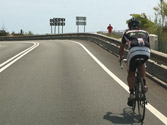
Sound the horn well before reaching a cyclist to avoid startling them.
Professional drivers, including school transport, are limited to 0.15 mg/l of alcohol in exhaled air.
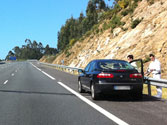
Wear a reflective vest before exiting onto the carriageway or hard shoulder of an interurban road.
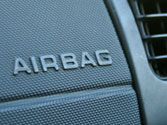
The seatbelt is always mandatory and makes the airbag effective; they work together.
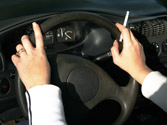
Smoking while driving distracts and reduces attention, though it is not legally prohibited.
Always moderate your speed when there are puddles on the road.

On ice, drive smoothly with gentle braking and acceleration, only when necessary.
Heat inside the vehicle increases reaction time, irritability, and aggressiveness.
With a chronic illness, consult your doctor about its impact on driving and follow their advice.
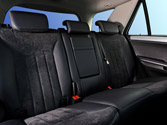
Passive safety systems—seatbelts, airbags, headrests, helmets—reduce injuries once an accident occurs.
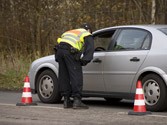
You may be given two breathalyser tests, with at least 10 minutes between them.
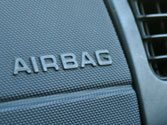
An airbag without a seatbelt can cause serious injury; always use both together.

Depression increases irritability and anxiety, leading to disproportionate reactions while driving.
Avoid smoking while driving as it causes distractions and reduces attention.
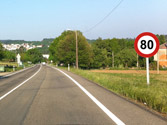
Speed limits depend on road layout and the traffic it must handle.
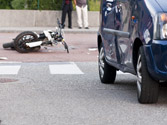
Traffic accidents are the leading cause of death among young people aged 15 to 29.
Alcohol creates a false sense of confidence, leading drivers to accept greater risks.
Accident risk rises with any alcohol intake, even before reaching the legal limit; only 0.0 is safe.
Depression causes insecurity and uncertain decision-making at the wheel.
Rear Cross Traffic Alert warns of vehicles approaching sideways while reversing out of a parking space.
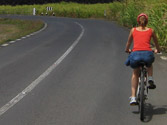
Wind and rain can make cyclists fall, so give them extra space and caution.
A reversing camera provides a real-time view of the area behind the vehicle.
Reading or consulting maps while driving is a dangerous distraction that must be avoided.

Alcohol's effects vary with body build, age, sex, and drinking habits.
Safe driving depends on both the driver's behaviour and the vehicle's good condition.
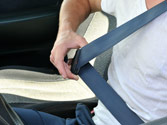
The chest strap must pass over the collarbone and run down the centre of the chest.
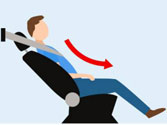
Always use the seat belt correctly to prevent the submarine effect.
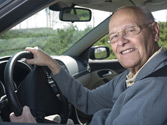
Elderly drivers may struggle with complex traffic situations.
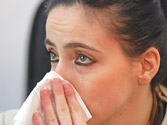
Do not drive with windows open if you have a respiratory allergy.
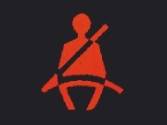
Not wearing a seat belt results in a loss of 4 points on your license.

Medical exemptions allow individuals to not wear seat belts.
Mortality in traffic accidents increases significantly from age 15 or 16.
Modern antihistamines are safer for driving but avoid mixing with alcohol.
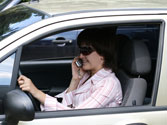
Using a mobile phone while driving leads to trajectory deviation.
Driving under the influence of alcohol or drugs is a crime.
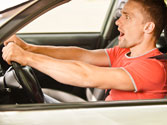
Stress makes drivers more easily distracted.
Fatigue results in fewer steering corrections and slower reactions.
Proper vehicle maintenance reduces accident probability.
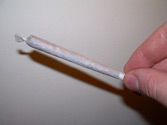
Drugs of abuse significantly impair driving abilities.
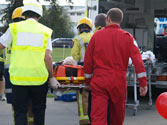
Reckless human behaviors remain a major factor in accidents despite technology.
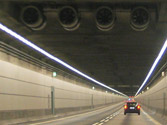
Maintain at least 100 meters distance in tunnels when not overtaking.
Drinking and driving increases accident probability.
Young drivers often underestimate risk, leading to more accidents.
Most accidents occur on straight stretches due to driver relaxation.
Holiday periods see an increase in traffic accidents.
Respecting motorcyclists' right of way helps prevent accidents.
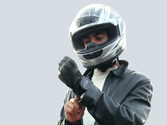
Use safety glasses if your helmet lacks a visor.