Chapter 4 Insights
Road safety · 606 insights
Distraction-related accidents occur most often during daytime and on weekends.
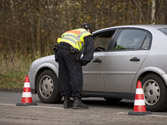
Breathalyser tests are always mandatory when requested by traffic authorities.
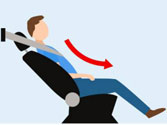
Submarining happens when the body slides under a poorly fitted lap belt during a crash.
Alcohol, fatigue, and excessive speed all fall under the human risk factor.
Reaction distance grows when the driver's psychophysical condition is poor.
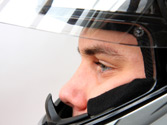
Choose a helmet with good ventilation to prevent fogging and improve safety.
Distractions at the wheel lengthen the driver's reaction time.
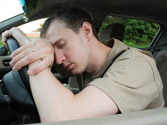
If drowsy, park in a safe place and sleep 20–30 minutes before continuing.
Speed is a major risk factor and must always be adapted to conditions.
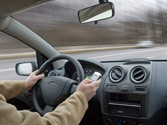
Texting while driving is dangerous because it severely distracts the driver.
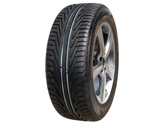
Replace tyres at least every 5 years, even if the tread looks fine.
After fastening, check the seatbelt is correctly positioned and snug against the body.
Depression worsens drowsiness and fatigue; avoid driving at night.
Nothing speeds up alcohol elimination from the blood — only time does.
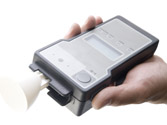
All drivers must take breathalyser tests at preventive checkpoints when required.
Rest every 2 hours or every 200 kilometres to prevent fatigue.
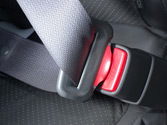
The seatbelt must be worn fastened at all times while driving.

All drugs are dangerous for driving, even though their effects differ.
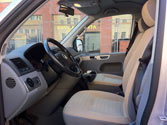
Never use cushions on the seat — they reduce seatbelt effectiveness.
Pedestrian accidents occur most frequently on urban roads.
Drowsy driving is dangerous because it severely reduces reaction capacity.
Drug detection tests are as mandatory as breathalyser tests.

ADAS systems assist the driver by helping them make safer decisions.
An incorrectly worn seatbelt can cause serious injuries in a crash.
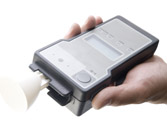
Officers may require drug detection tests at preventive checkpoints.
Blood alcohol peaks 30 to 90 minutes after drinking.
The WHO classifies road accidents as a worldwide priority public health issue.
Efficient driving and preventive driving techniques complement each other.
Preventive driving is a safety-focused attitude based on vision, anticipation, and space.
Sleepiness can strike at any moment, so never ignore early signs of fatigue.
Novice drivers face stronger alcohol effects, so their permitted limit is lower.
Monotonous roads increase the risk of drowsiness behind the wheel.
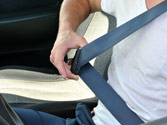
Wear the seatbelt fitted to the body, properly fastened, neither tight nor loose.
Maximum blood alcohol level is reached 30–90 minutes after drinking.
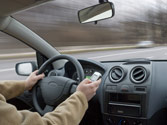
Using a mobile phone while driving significantly increases accident risk.

Sit about 25 cm from the airbag, and never closer than 10 cm.
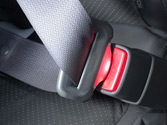
Holders of a medical exemption certificate are not required to wear a seatbelt.
Children under 1.35 m must travel in the rear with an approved restraint system.
Drug use reduces reaction capacity and increases reaction time.
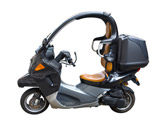
In vehicles with a self-protection structure and seatbelts, the belt replaces the helmet.
AEBS is the automatic emergency braking system that prevents rear-end collisions.
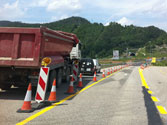
Ice, snow, wet surfaces, and roadworks belong to the road and environment factor.
Watch for signs of drowsiness or fatigue and stop to rest immediately.
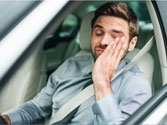
Heavy traffic and hold-ups increase fatigue by demanding greater concentration.
A category B licence allows towing a light trailer (up to 750 kg) in any case.
Depression reduces awareness, causing the driver to miss important information.
Drowsiness and fatigue lengthen reaction time and increase reaction distance.
In rain, increase the safety distance because braking distance can double.
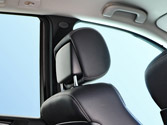
Properly adjusted headrests are essential to prevent cervical injuries.
Accidents involve three factors: human, road/environment, and vehicle.