Chapter 4 Insights
Road safety · 606 insights
Most accidents happen on straight roads because drivers relax and lose attention.
Safe braking distance depends on tyre, brake, road, load, speed and weather conditions.
The 360° bird's-eye view is built from cameras placed around the vehicle's perimeter.
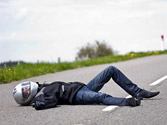
Helmets protect the head and face from abrasion when sliding along the road.
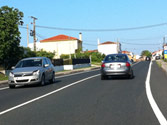
Always keep enough distance to stop without colliding with the vehicle ahead.
Excessive heat inside the vehicle increases the driver's reaction time.
Mobile phone distraction most commonly causes the vehicle to run off the road.
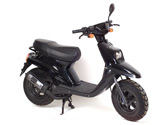
Helmets are mandatory for moped riders on all roads, urban and interurban.
In heavy rain on a motorcycle, slow down and stop if necessary.
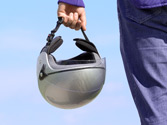
All motorcycle drivers and passengers must wear an approved helmet on every road.
ABS prevents wheel lock-up during braking, keeping the vehicle controllable.
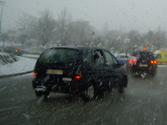
Always increase the safety distance in adverse weather conditions.
Early drowsiness symptoms impair driving long before you actually fall asleep.
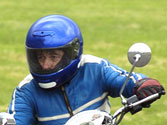
A full-face helmet protects both the head and the face, including the jaw.
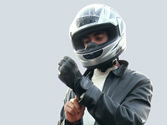
Gloves are advisable year-round on a motorcycle to protect hands in a fall.
Neurological disorders and mental illnesses pose the greatest danger for driving.
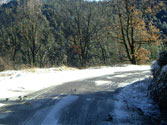
Chains, winter tyres or studded tyres improve grip on icy roads.
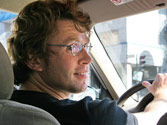
Distractions can come from inside or outside the vehicle.
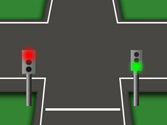
Drivers going straight or turning left obey the traffic lights on their left.
Always consult your doctor before driving while taking medicines that affect the nervous system.
Inspect seat belts after an accident and replace any that are damaged.
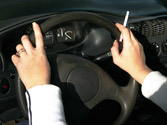
Smoking while driving causes distractions and reduces vehicle control.
LSD causes hallucinations and emotional disturbances, making driving extremely dangerous.

RCTA stands for Rear Cross Traffic Alert, warning of approaching vehicles when reversing.
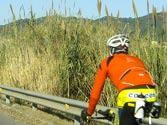
Helmets greatly reduce the risk of head injuries for cyclists.
Drugs distort the driver's perception of time and space.
Drowsiness-related accidents can occur before the driver fully falls asleep.

Cocaine makes drivers more aggressive, competitive and prone to risk-taking.
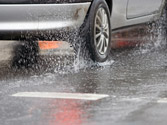
Reduce speed in rain to prevent aquaplaning.
Elderly drivers struggle most when merging onto or exiting high-speed roads.
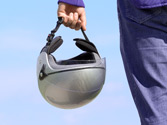
Choose a helmet that is approved, properly sized and made of suitable material.

Some medications negatively affect attention and reaction time while driving.
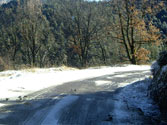
Ice on the road greatly increases braking distance, up to ten times.
Analgesics and antihistamines can cause side effects that impair driving.
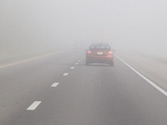
Adapt your speed to visibility when driving in fog.
Most fatal traffic accidents occur on interurban roads.
Avoiding risk factors significantly reduces the chance of having an accident.
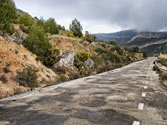
Driving on roads in poor condition contributes to driver fatigue.
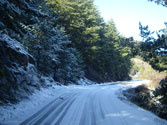
On snow, drive slowly using the highest gear possible to avoid wheel spin.
Lighting, tyres and brakes are active safety systems that help prevent accidents.
Long driving stretches with insufficient rest breaks are the main cause of fatigue.
Stopping distance spans from hazard perception until the vehicle comes to a complete stop.
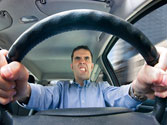
Stress increases aggressiveness and reckless behaviour behind the wheel.
With respiratory allergies, follow your doctor's treatment and advice before driving.
Crosswind is especially dangerous for motorcyclists, who should slow down significantly.
Officers may immobilise a motorcycle if the driver is not wearing a helmet.
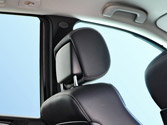
Position the top edge of the headrest between eye level and the top of the head.
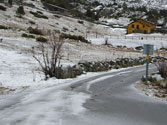
On ice, reduce speed, use high gears and brake very gently.
Fatigue Detection ADAS monitors the driver to prevent drowsiness-related accidents.
Neurological disorders and mental illnesses carry the highest accident risk.