Key Insights
838 insights
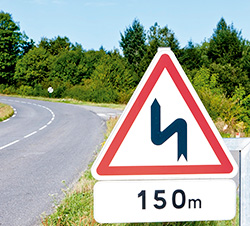
A distance panel beneath a danger sign indicates the meters to the start of the hazardous stretch.
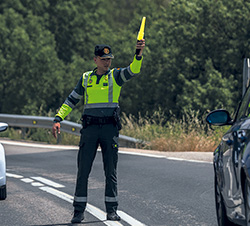
An officer swinging a yellow light signals those it is directed at to stop.
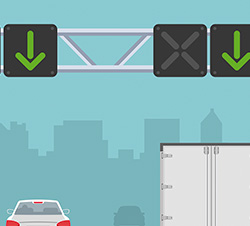
Reversible lanes are marked with double discontinuous longitudinal lines on both sides.
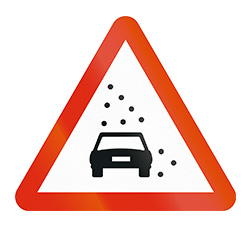
A triangle with diagonal lines warns of reduced visibility due to fog, rain, or snow.
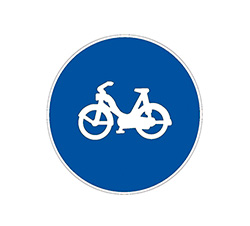
The round blue sign with a moped indicates a lane reserved exclusively for mopeds.
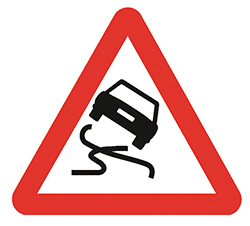
The slippery pavement sign warns of an area where the road may lose grip.
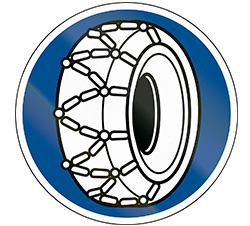
With the mandatory chains sign, you may only drive with chains or other equally effective authorized devices.
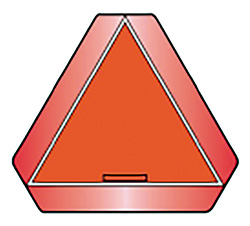
The red triangle with an orange border identifies a slow vehicle that cannot exceed 40 km/h.
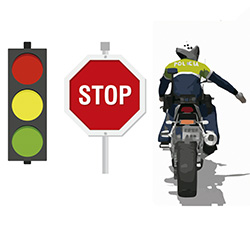
The priority order of signals is: officers, traffic lights, vertical signs, and road markings.
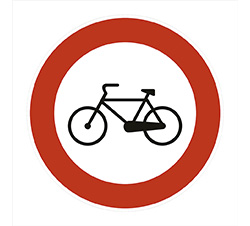
The sign with a bicycle inside a red circle prohibits the entry of cycles.
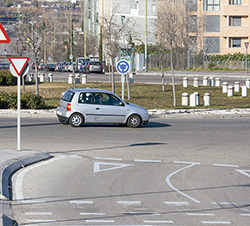
The discontinuous transverse marking indicates yield: stop only if necessary to give way.
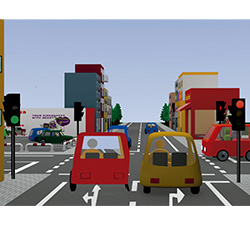
Those continuing straight ahead must obey the traffic light located immediately to their left.
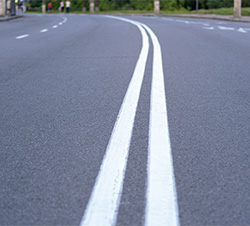
A double solid line may not be crossed or stepped on under any circumstances.
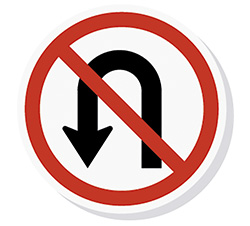
The no-left-turn sign does not prevent changing direction or other movements different from turning.
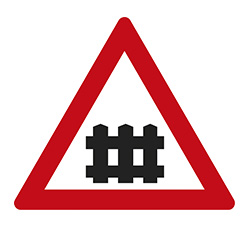
An X with a warning triangle indicates a level crossing with barriers or half-barriers.
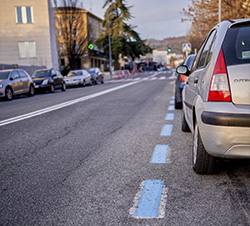
Blue road markings delimit limited-duration parking zones.
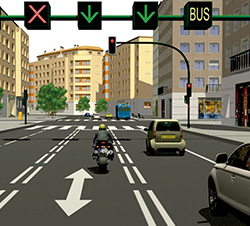
A green arrow at a traffic light allows you to proceed but does not exempt you from respecting right-of-way rules.
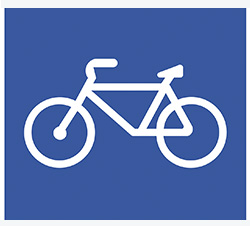
The cycle-reserved lane sign prohibits the circulation of cars and other motor vehicles.
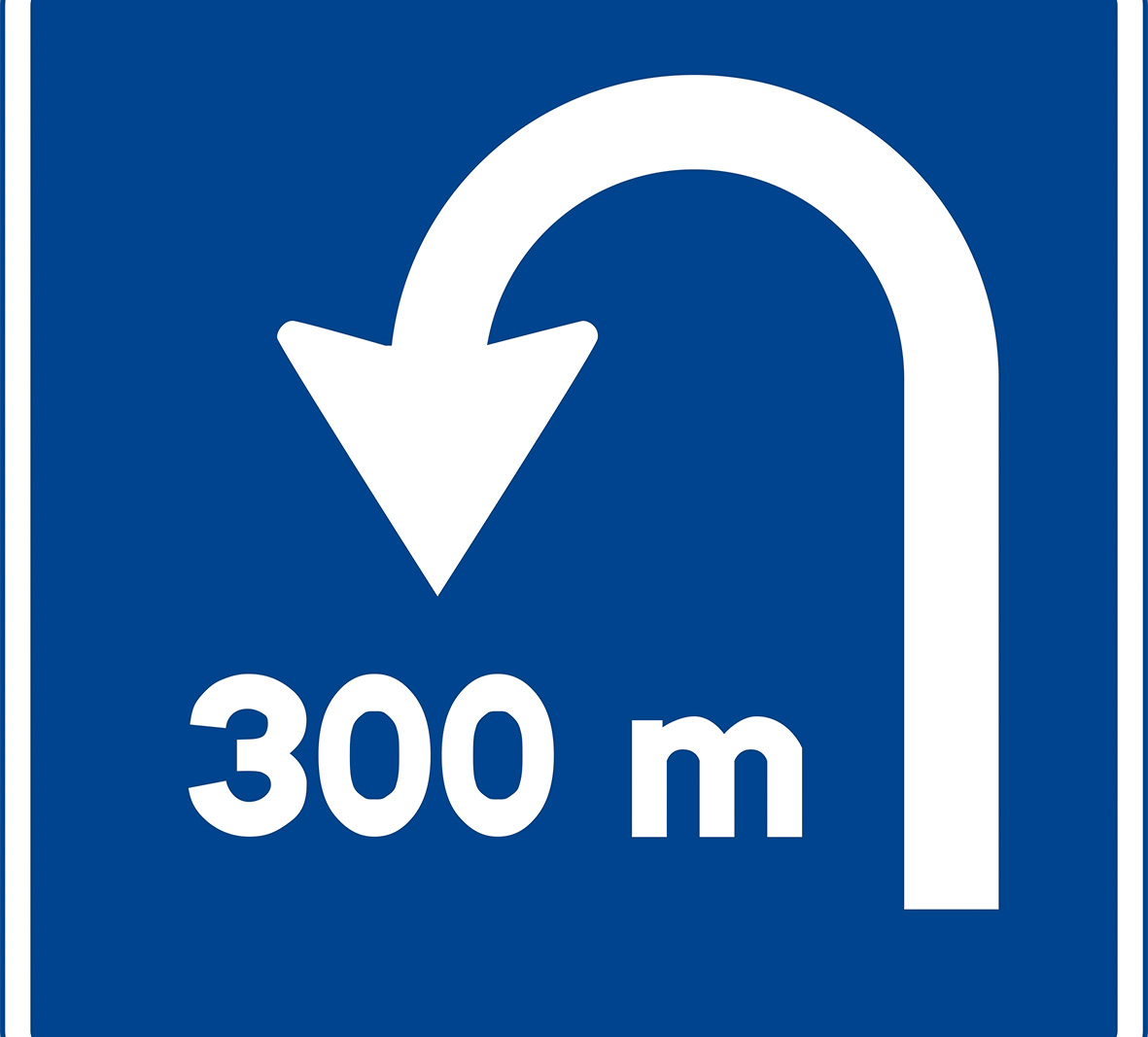
There are signs that warn of the proximity of a place designated for changing direction at the same level.
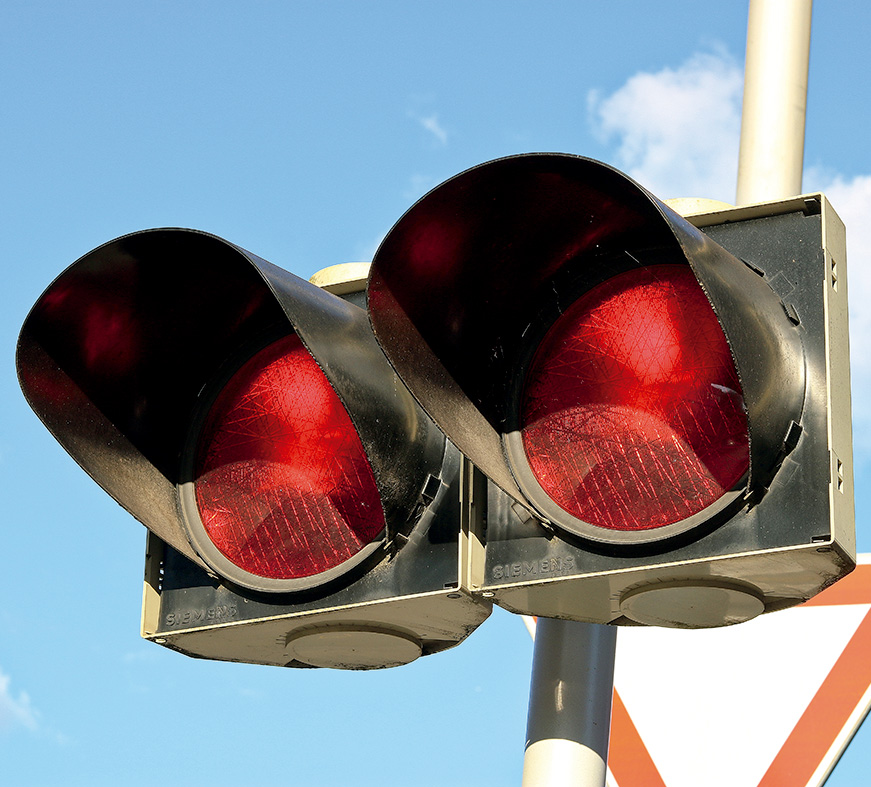
Flashing red lights or alternately flashing red lights temporarily prohibit passage.
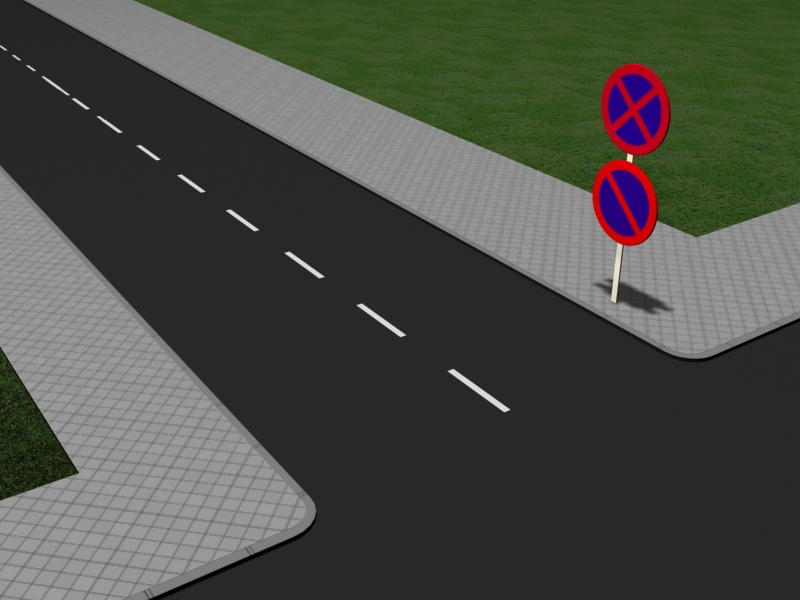
The no stopping and no parking sign prohibits both actions, not just parking.
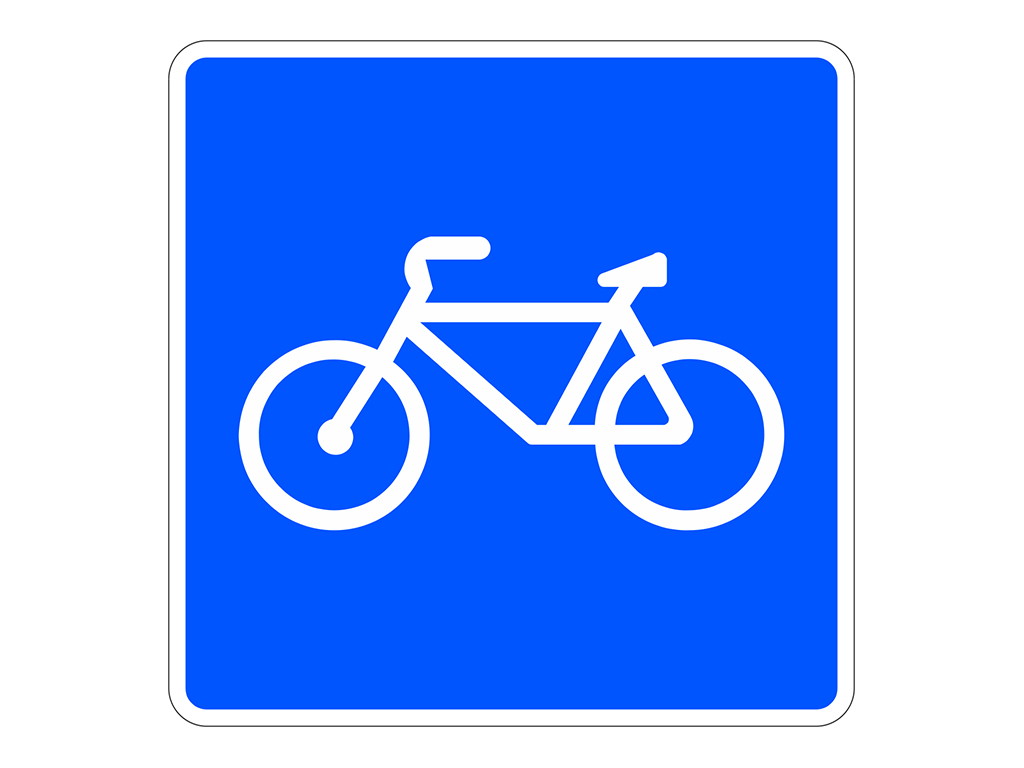
Cycle lanes are off-limits to cars and other motor vehicles.
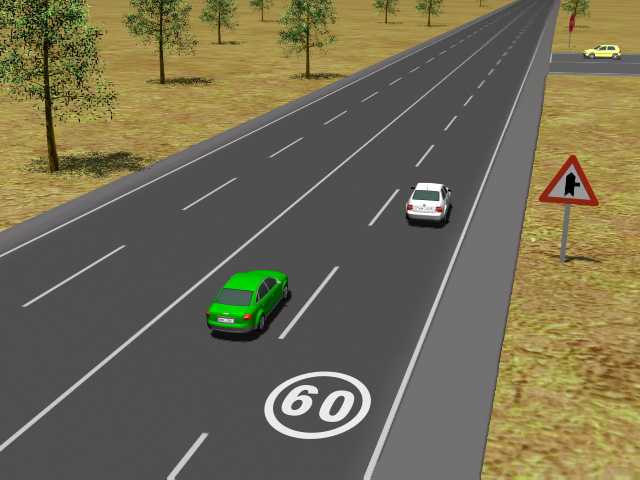
A speed limit ends when you encounter another sign indicating a different maximum speed.
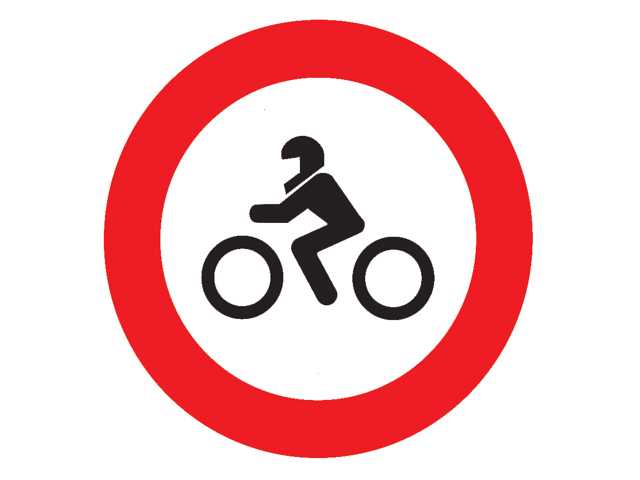
The no-entry sign for motorcycles also applies to three-wheeled vehicles classified as motorcycles.
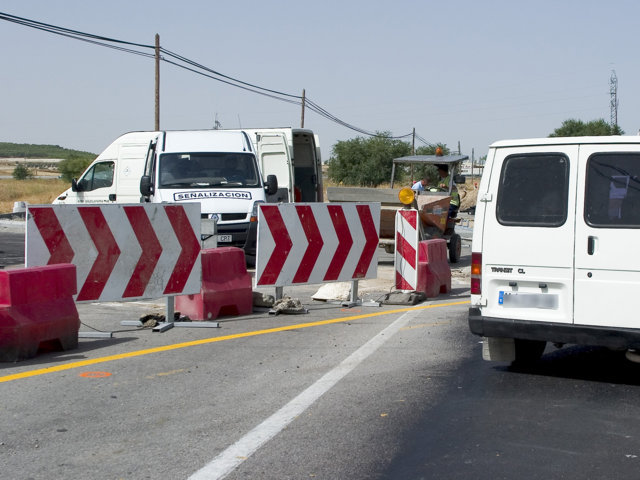
Temporary directional panels at roadworks prohibit passage and indicate the direction you must follow.
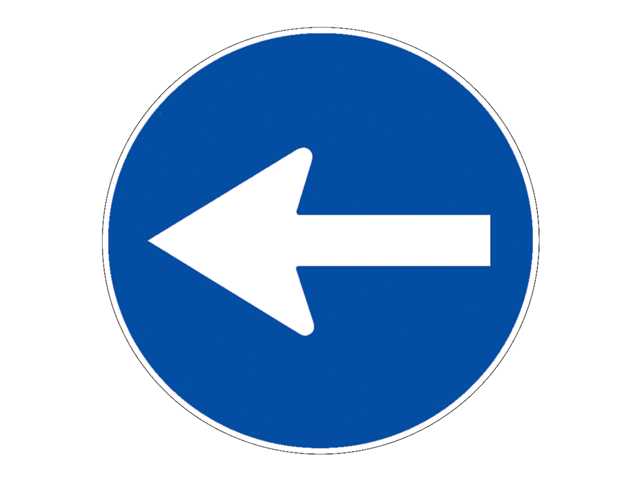
Mandatory direction signs impose the route that vehicles must follow.
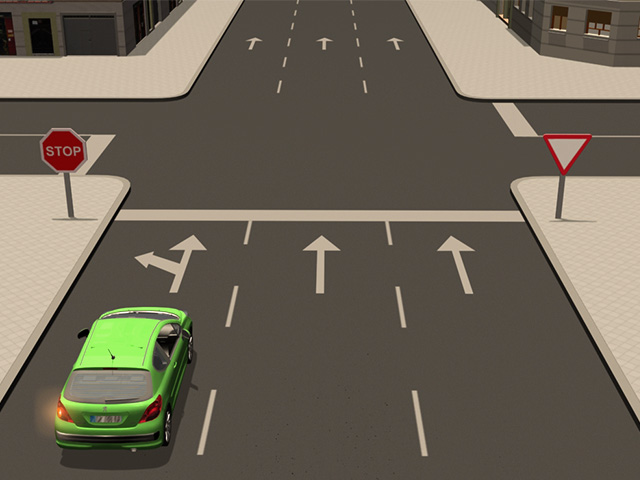
Arrows painted on the lane require you to follow the directions they indicate.
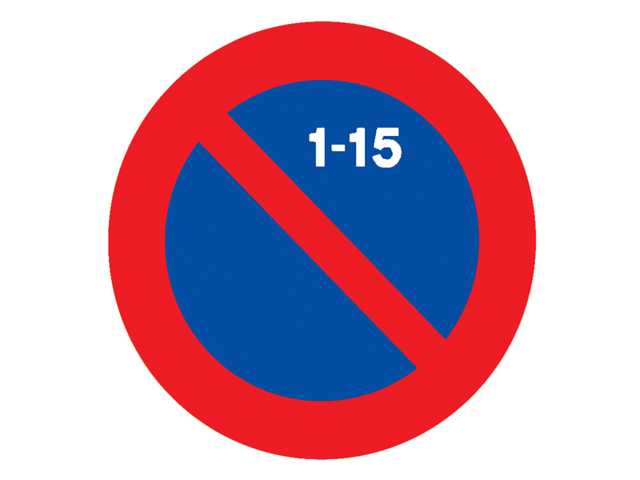
The no-parking sign for the first half of the month prohibits parking from the 1st to the 15th.
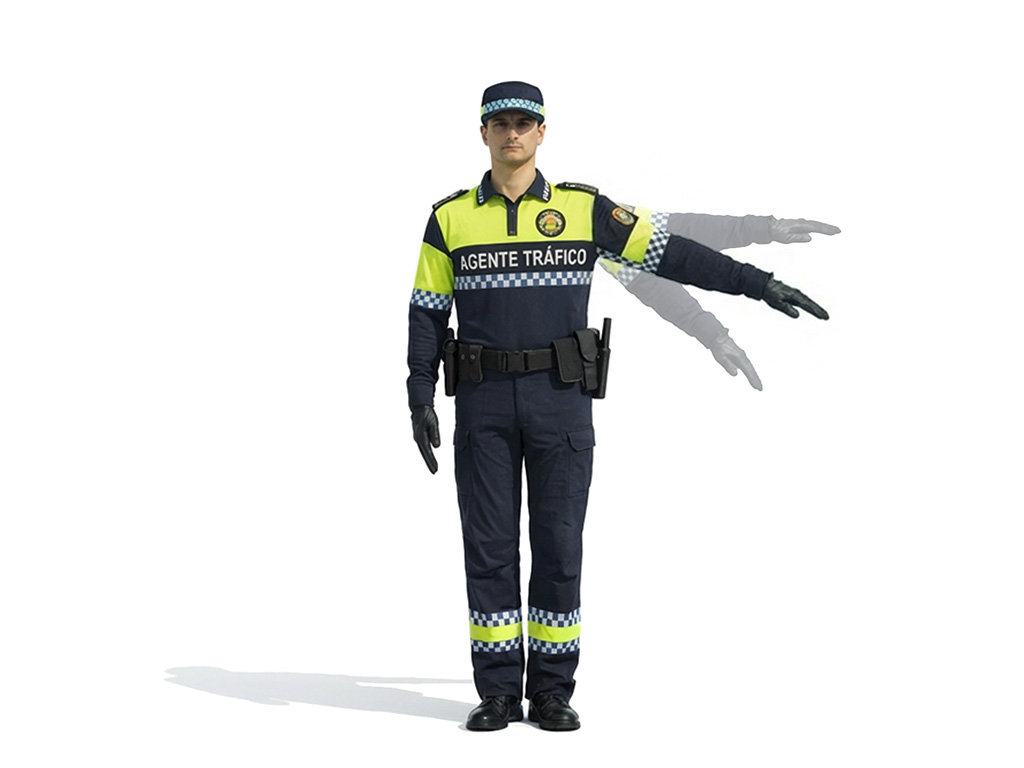
When an officer moves their arm alternately up and down, you must reduce your speed.
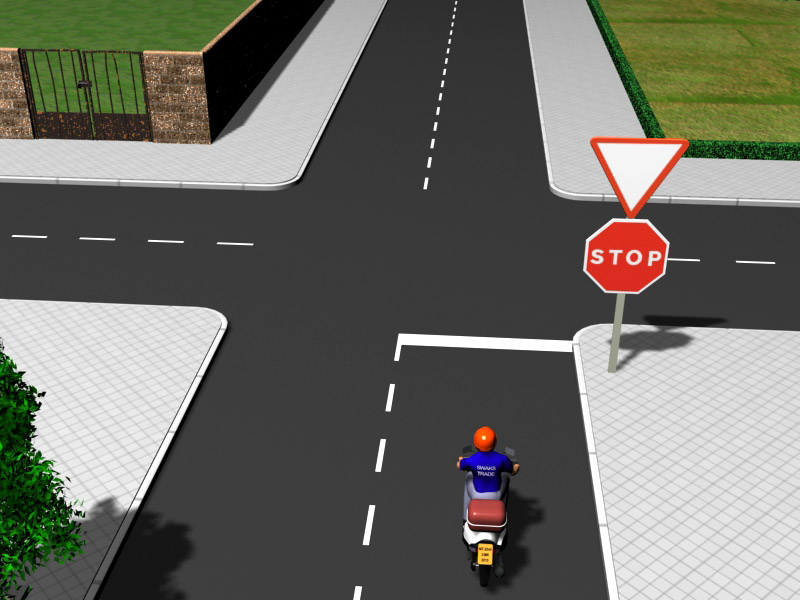
When faced with contradictory signs of the same type, always obey the most restrictive one.
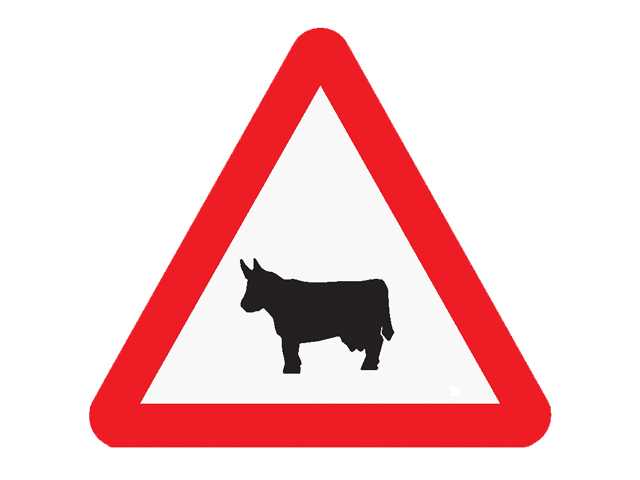
The sign with a cow silhouette warns of frequent crossings by domestic animals or livestock.
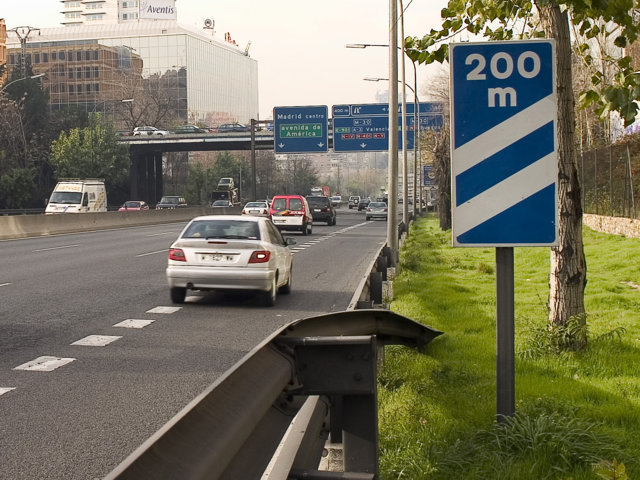
Certain information signs are specific to motorways and dual carriageways.
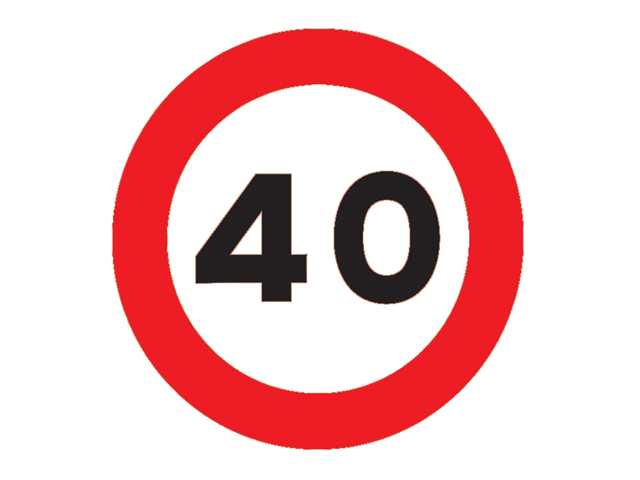
A minimum speed sign requires you not to drive below the indicated value, though maximum limits must also be respected.
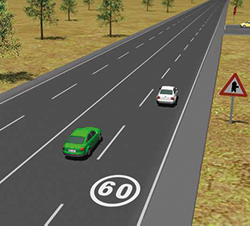
A speed figure painted on the lane indicates the maximum speed allowed in that lane.
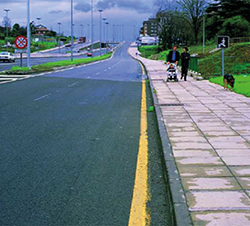
A solid line alongside the right-hand lane prohibits parking, as it cannot be crossed.
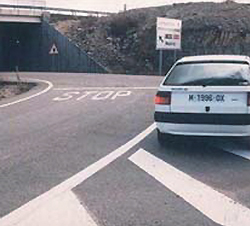
You may never stop or park on traffic channelling islands.
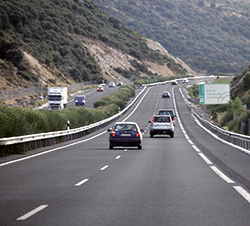
Parking on the shoulder is prohibited, even if the edge line is broken.
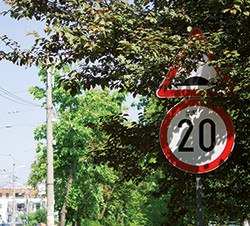
Stopping or parking where it would block other road users' view of signs is prohibited.
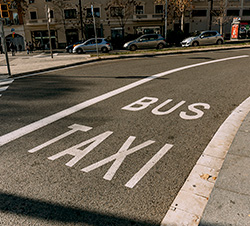
Stopping and parking are prohibited in lanes reserved for public transport.
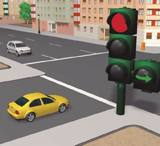
A green arrow allows you to turn, but it does not grant priority over vehicles already circulating.
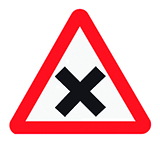
At an intersection without signposted priority, give way to vehicles approaching from your right.
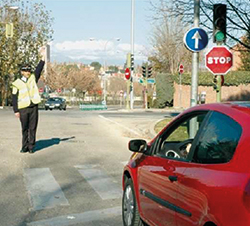
Signals from a traffic officer take precedence over traffic lights and all other signs.
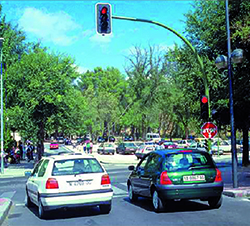
Traffic light indications take precedence over vertical signs such as the stop sign.
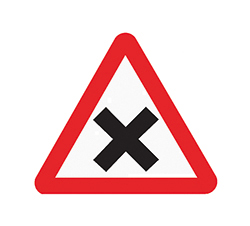
The end-of-priority sign indicates that the general right-of-way rule applies.
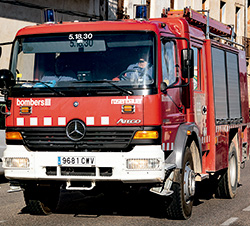
Emergency vehicles may use only the light signal if it does not create danger.
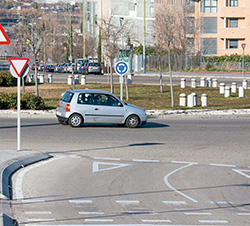
At signposted intersections, what the sign indicates always prevails.
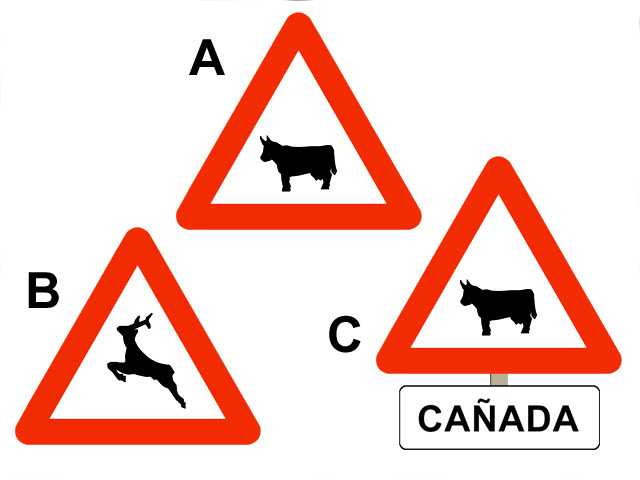
The animal crossing sign (C) indicates that animals have priority on that stretch of road.
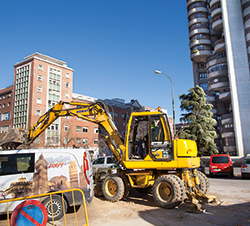
Work vehicles warn of their presence with a rotating or flashing yellow light.
In case of conflict, hand signals made with the arm take precedence over light signals.
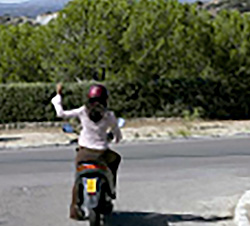
An arm extended horizontally to the right indicates a movement or turn to the right.