Key Insights
838 insights
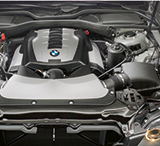
The air filter cleans the air that mixes with the fuel, protecting the engine.
Unequal pressures on the same axle cause the vehicle to pull toward the side with lower pressure.
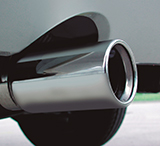
The muffler reduces the noise of the explosions produced inside the engine.
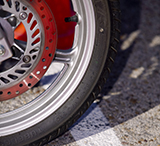
Never inflate tires above the manufacturer's recommended pressure; it reduces grip on wet surfaces.
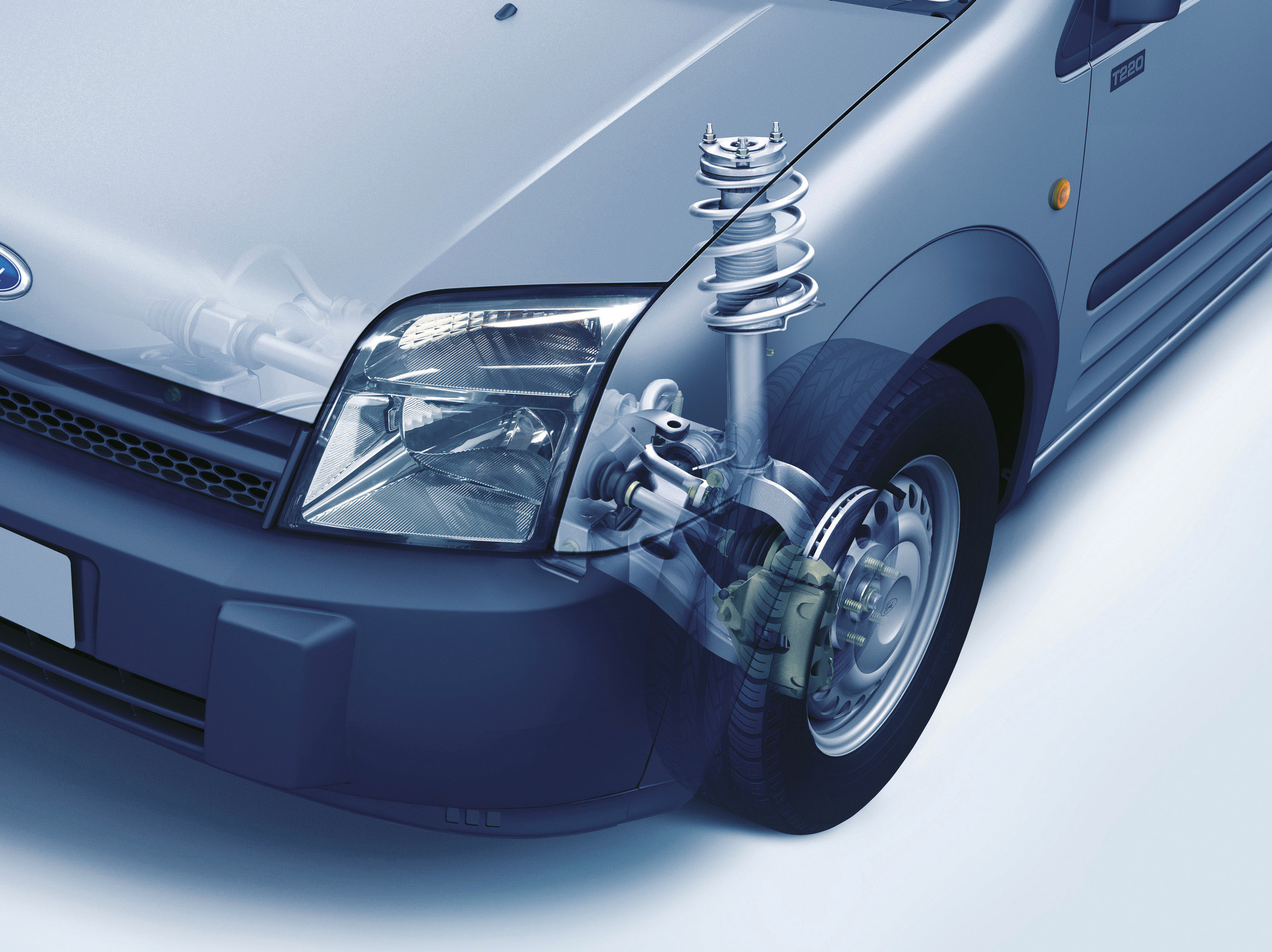
Good shock absorption prevents accidents by keeping the tires stuck to the asphalt.
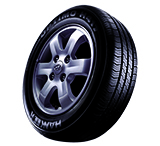
A tire hardened by aging loses grip and can cause skidding.
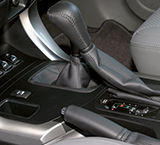
The handbrake is only used to immobilize the vehicle, never while in motion.
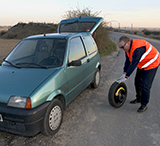
With a temporary-use spare wheel, respect the mileage and speed limits indicated by the manufacturer.
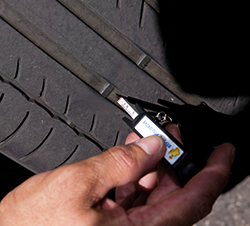
Replace tires when the tread depth is less than 1.6 mm.
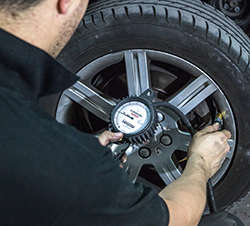
Tire pressure must always be checked when the tires are cold.
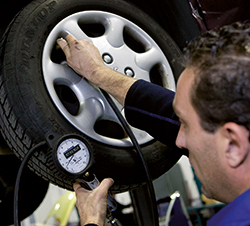
The correct tire inflation is the one recommended by the manufacturer.
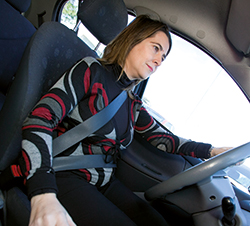
A properly adjusted headrest reduces neck injuries in the event of a collision.
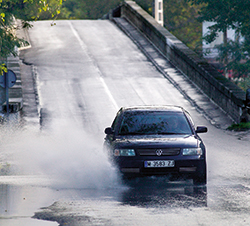
If the brakes get wet, they may temporarily lose effectiveness.
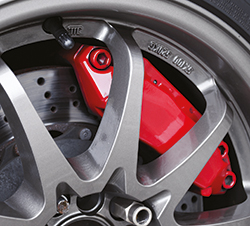
Braking is more effective the greater the grip of the tires on the road.
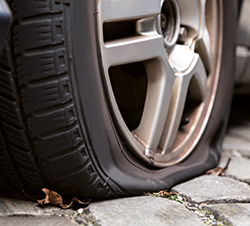
In the event of a blowout, brake gently and progressively, never abruptly.
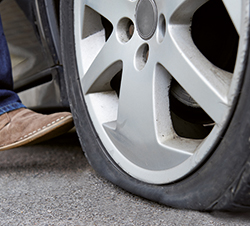
After a puncture, stop the vehicle as soon as possible off the road or in a safe place.
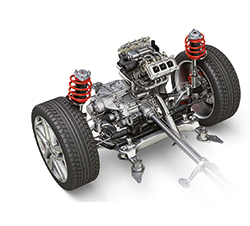
Shock absorbers in poor condition cause excessive leaning in curves and loss of control.
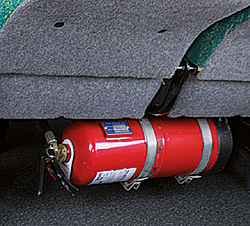
Towing a trailer requires carrying an approved fire extinguisher in usable condition.
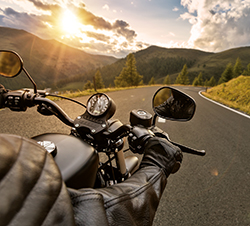
On a motorcycle, the front brake is operated with the right hand on the handlebar.
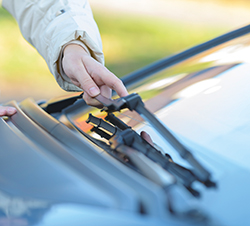
Continuous heat hardens and cracks the rubber of the windshield wiper blades.
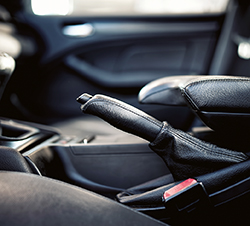
The handbrake is used to immobilize the vehicle when parking.
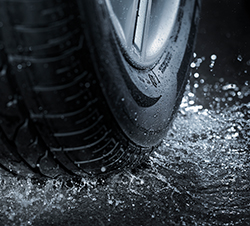
In rainy conditions, always maintain the tire pressure recommended by the manufacturer.
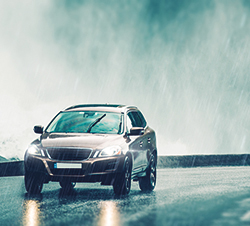
If you must press the brake fully in wet conditions, suspect a failure in the braking system.
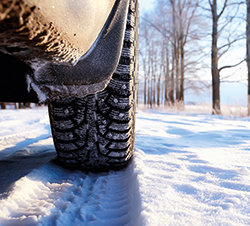
Winter tires wear out faster in heat; replace them when temperatures rise.
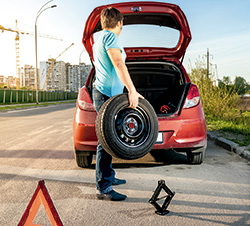
The spare wheel may be replaced by an alternative system that ensures mobility.
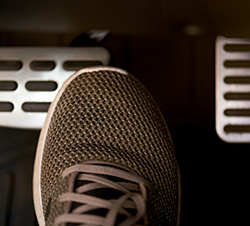
The foot brake acts on all four wheels of the vehicle.
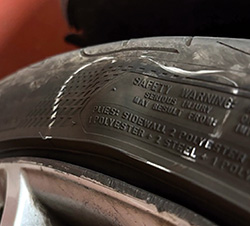
A bulge in the tire indicates a risk of blowout: replace it as soon as possible.
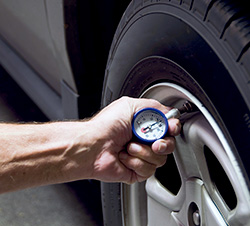
Unbalanced pressures cause irregular braking and reduce vehicle stability.
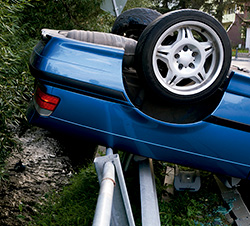
Technical improvements in design and manufacturing reduce the vehicle as a main cause of accidents.
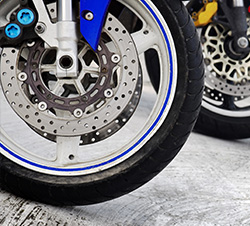
Tires must be free of blisters, abnormal deformations, and breaks.
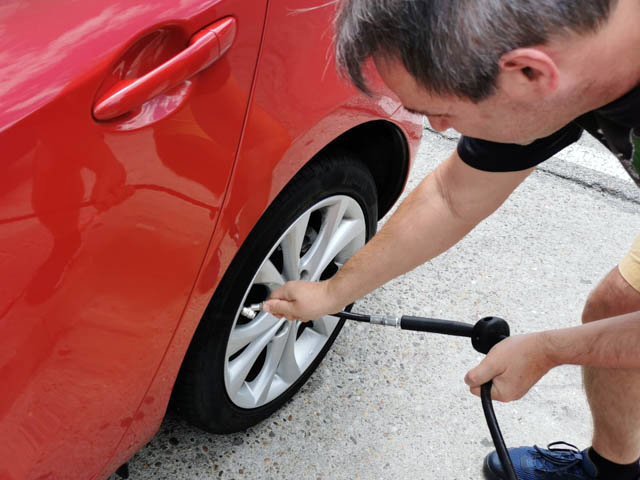
The correct tire pressure is always the one recommended by the vehicle manufacturer.
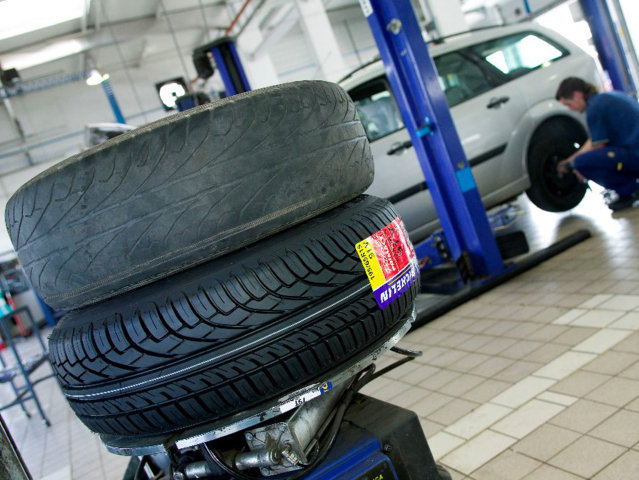
Tires in good condition improve grip and shorten the braking distance.
Keep the exhaust pipe and muffler in good condition to prevent noise pollution.
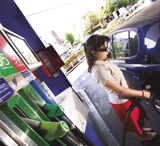
When refueling: engine, lights, electrical equipment, and mobile phone must always be off.
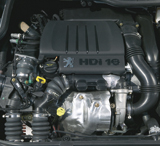
Coolant cools the engine and prevents it from overheating.
After summer, check the vehicle, especially if it was near the sea due to corrosion.
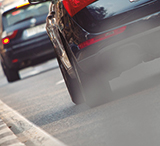
Black smoke from the exhaust indicates poor combustion and requires a vehicle inspection.
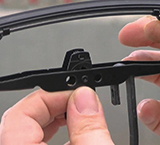
Periodically check the windshield wiper blades to ensure their effectiveness.
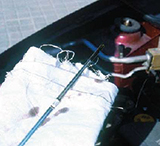
The dipstick is used to check the engine oil level.
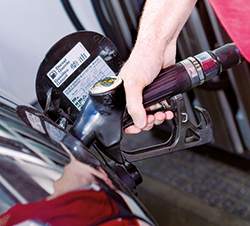
When refueling, it is mandatory to turn off lights and electrical systems such as the radio.
Regularly monitor the windshield washer fluid level.
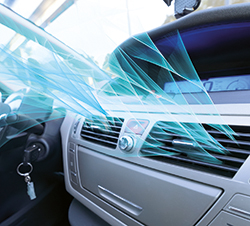
Replace the cabin filter, especially at the start of spring.
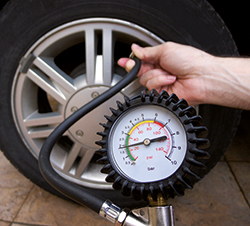
Underinflated tires increase friction and fuel consumption.
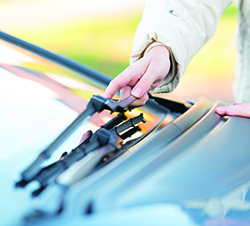
Replace the windshield wiper blades when their rubber is damaged.
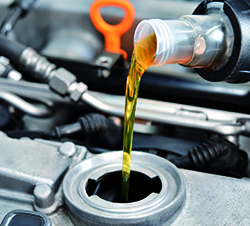
Changing the oil regularly reduces wear and extends the engine's life.
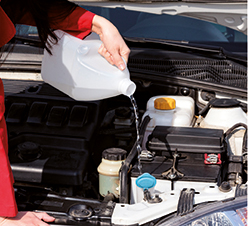
Periodically check the windshield washer fluid level to have it available when you need it.
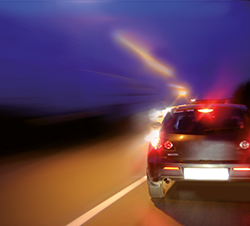
Preventive maintenance includes periodically checking the adjustment and operation of the lights.

Checking the lighting system is part of the vehicle's preventive maintenance.
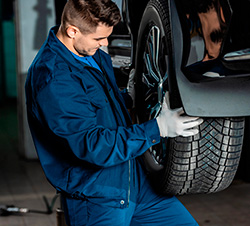
Tires, brakes, and shock absorbers require more frequent inspection than other components.
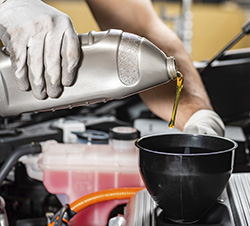
Oil that is too fluid when hot does not properly lubricate the engine parts.