Key Insights
838 insights
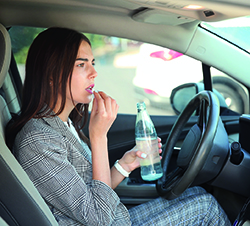
The effects of medications vary according to age, physical condition, and other personal factors.
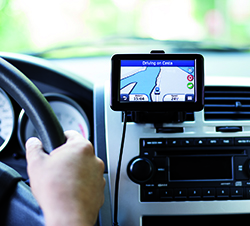
Handling the GPS while driving is dangerous because it causes distraction.
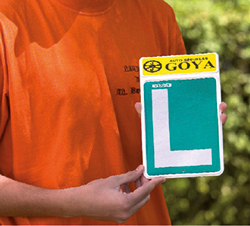
Lack of experience is a frequent cause of accidents among novice drivers.
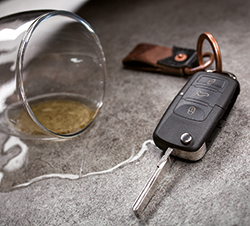
Alcohol increases reaction time in emergencies.

Young drivers assess risks more poorly, increasing their likelihood of an accident.

Sleeping pills and hypnotics increase the driver's reaction time.

Driving with respiratory allergy symptoms impairs ability and increases the risk of an accident.
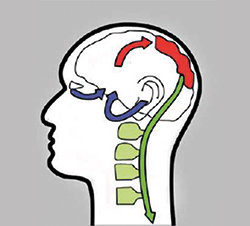
Reaction time is the interval between perceiving a danger and deciding how to act.
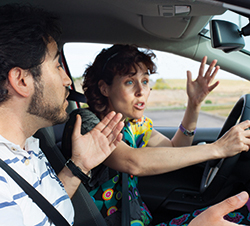
Stress impairs the abilities needed to drive safely.
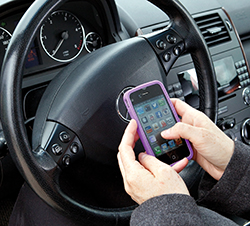
The phone may only be used through hands-free systems without earphones.
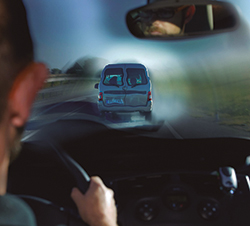
Alcohol reduces the field of vision and can cause tunnel vision.
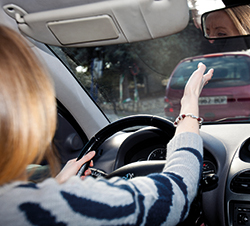
Stress makes driving more reckless and aggressive.
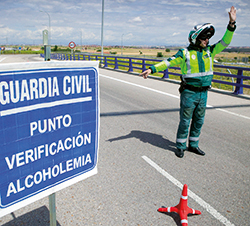
Novice drivers (less than 2 years) have a limit of 0.15 mg/l of alcohol in exhaled air.
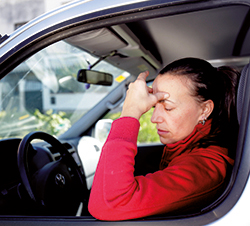
Keeping the cabin well ventilated helps delay the onset of fatigue.
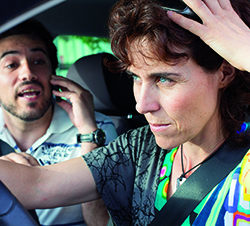
After a heated argument, pull over in a safe place until you regain your composure before continuing.
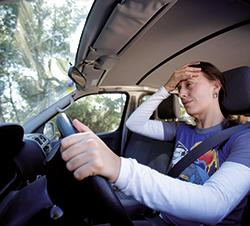
In high temperatures, take extra precautions and rest periodically to avoid fatigue and drowsiness.
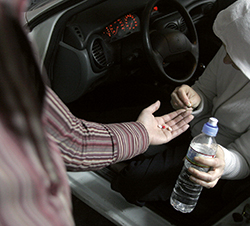
Some drugs cause optical illusions while driving, distorting real perception.
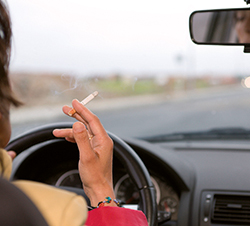
Smoking while driving causes distractions and the smoke impairs vision.

The maximum effect of alcohol is reached between 30 and 90 minutes after ingestion.
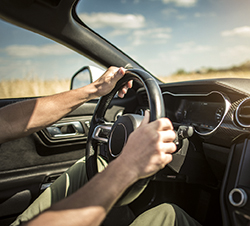
Safe driving requires both the driver and the vehicle to be in perfect condition.
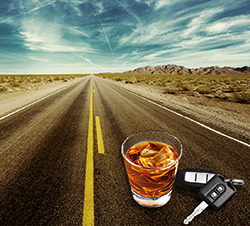
Drugs reduce risk perception and worsen response to danger.
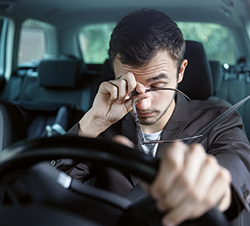
Drowsiness increases the driver's reaction time.

Novice drivers (less than 2 years) have a limit of 0.15 mg/l of alcohol in exhaled air.

Only time reduces blood alcohol levels; coffee, tea, or showers are not effective.
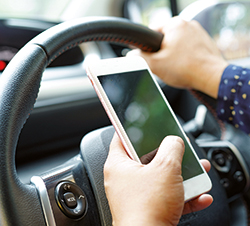
Using a mobile phone while driving most frequently causes the vehicle to leave the road.
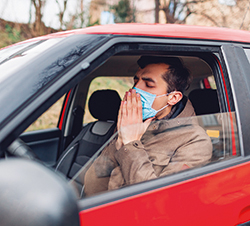
If you drive, use non-sedating antihistamines to avoid drowsiness.
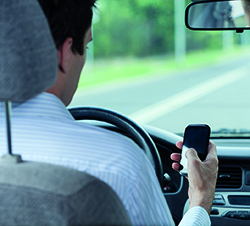
Stress increases driver distractions.

Drugs seriously impair driving abilities and increase the risk of accidents.
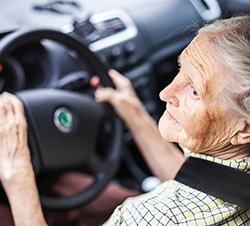
Older drivers find complex situations harder, such as merging onto fast roads.
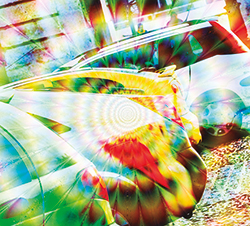
Cocaine reduces the ability to concentrate while driving.
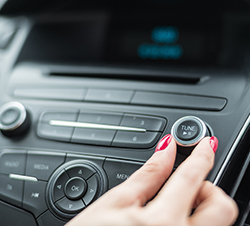
Adjusting the radio or media player distracts and increases the risk of an accident.
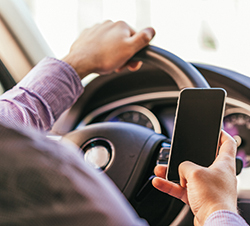
Any distraction at the wheel increases reaction time when facing a hazard.
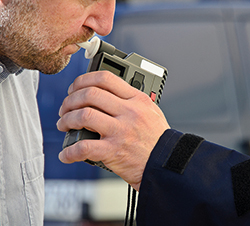
Pedestrians involved in an accident as potentially responsible parties must undergo the breathalyzer test.

On long trips, rest approximately every 2 hours to maintain attention at the wheel.

Delivery drivers may not wear a seatbelt on short urban routes with successive loading and unloading.

Alcohol is eliminated from the blood very slowly, taking several hours to disappear.

It is never safe to drive after consuming amphetamines or other stimulant drugs.
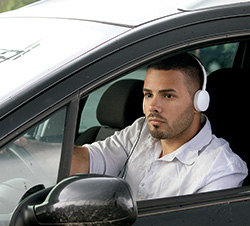
It is forbidden to drive while using helmets or headphones connected to sound devices or a phone.
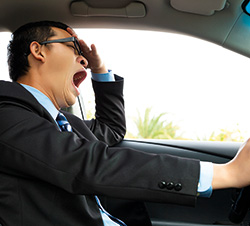
Sleepiness also causes daytime accidents, especially between two and four in the afternoon.

Eating delays alcohol absorption, but does not eliminate the risk of an accident.
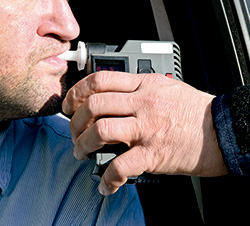
After a positive breathalyzer test, a second contrast test is always carried out.

If you suffer from respiratory allergies, drive with the windows closed to avoid pollen and dust.
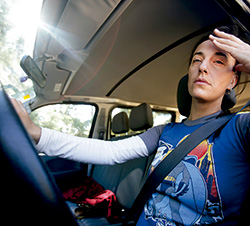
Fatigue is shown by reduced steering corrections during driving.

The only completely safe alcohol level for driving is 0.0 grams per liter.

Overestimating one's own ability increases the likelihood of accidents in young drivers.
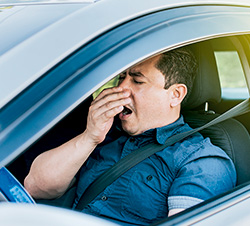
Reaction time varies according to the driver's psychophysical condition.

During treatment with narcotic analgesics, the most advisable course is not to drive.
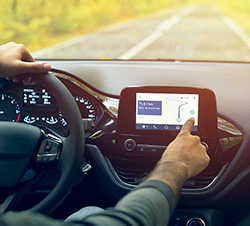
Handling the GPS while driving is distracting and dangerous; set it up before starting out.
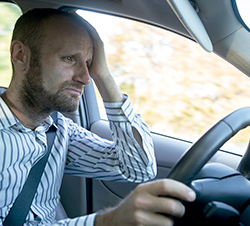
Depressive disorders reduce attention and reflexes, making the driver more unsafe.

Sleepiness and fatigue increase reaction time and distance at the wheel.