Key Insights
838 insights
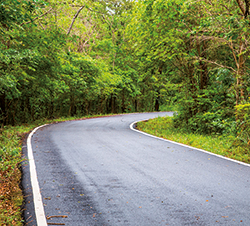
On two-way roads without markings, always drive in the right lane.
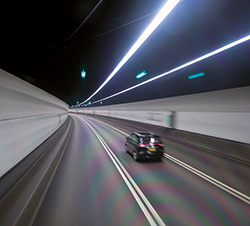
In a tunnel, overtaking is only allowed if there is more than one lane in your direction of travel.
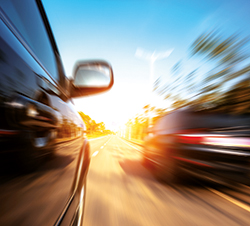
If danger arises during an overtaking maneuver, reduce speed, signal, and return to your lane.
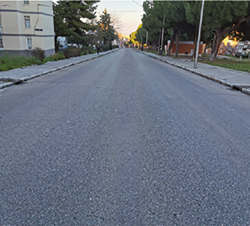
On one-way streets without signs or markings, you may park on either side.
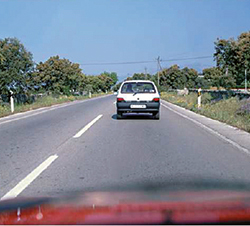
To turn left on a two-way road, position yourself near the centerline without invading the opposite lane.
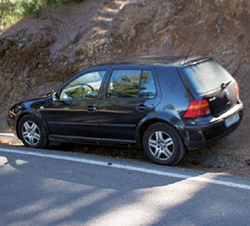
If there is no shoulder, you may park off the roadway to the right.
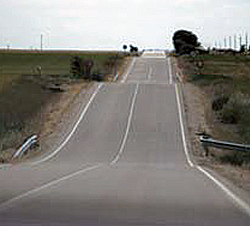
Without a shoulder, park off the road on the right side.
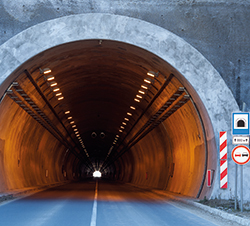
Parking in a tunnel is prohibited under all circumstances.
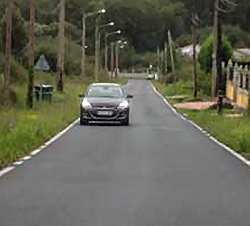
Without marked lanes, drive on the right as close as possible to the edge.
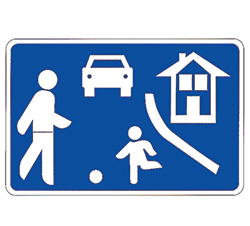
On residential streets, parking is only allowed in expressly marked spaces.
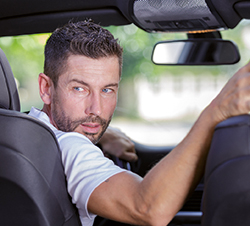
Reversing is permitted as a complementary maneuver to join traffic.
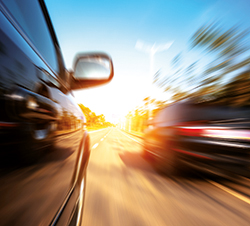
If overtaking becomes complicated, reduce speed and return to your lane without obstructing others.
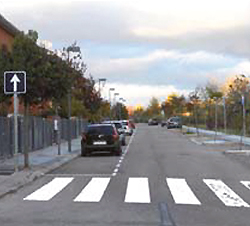
On a one-way urban road, you may park on either side, right or left.
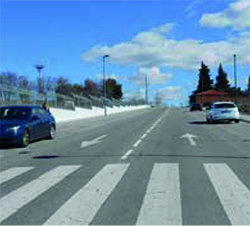
On a two-way urban road, park on the right-hand side in the direction of travel.
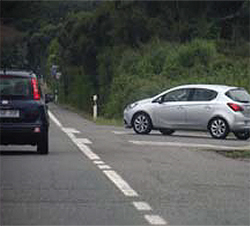
Before joining traffic, make sure you do not create danger for other road users.
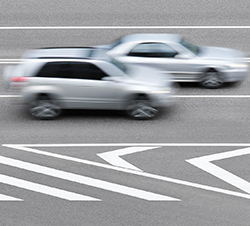
Overtaking on the right is allowed on urban roads with two or more marked lanes.
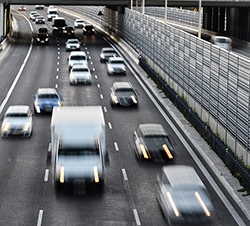
Motorcycles may use the left lane on dual carriageways when traffic or road conditions advise it.
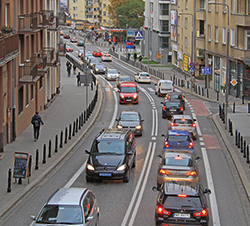
On a single-lane urban road in each direction, drive as close as possible to the right edge.
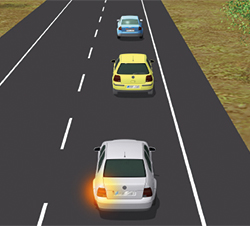
Overtaking several vehicles at once is only valid if you can safely return to the right.
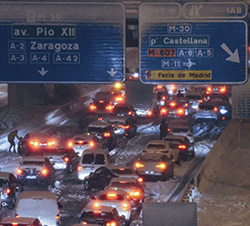
In traffic jams, keep two or three meters from the vehicle in front to avoid hitting it if you are rear-ended.
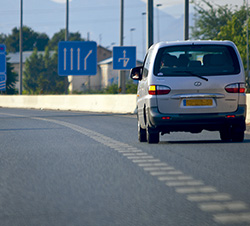
Enter the deceleration lane as soon as possible when exiting a highway.
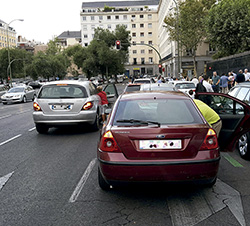
Double parking is prohibited under any circumstances.
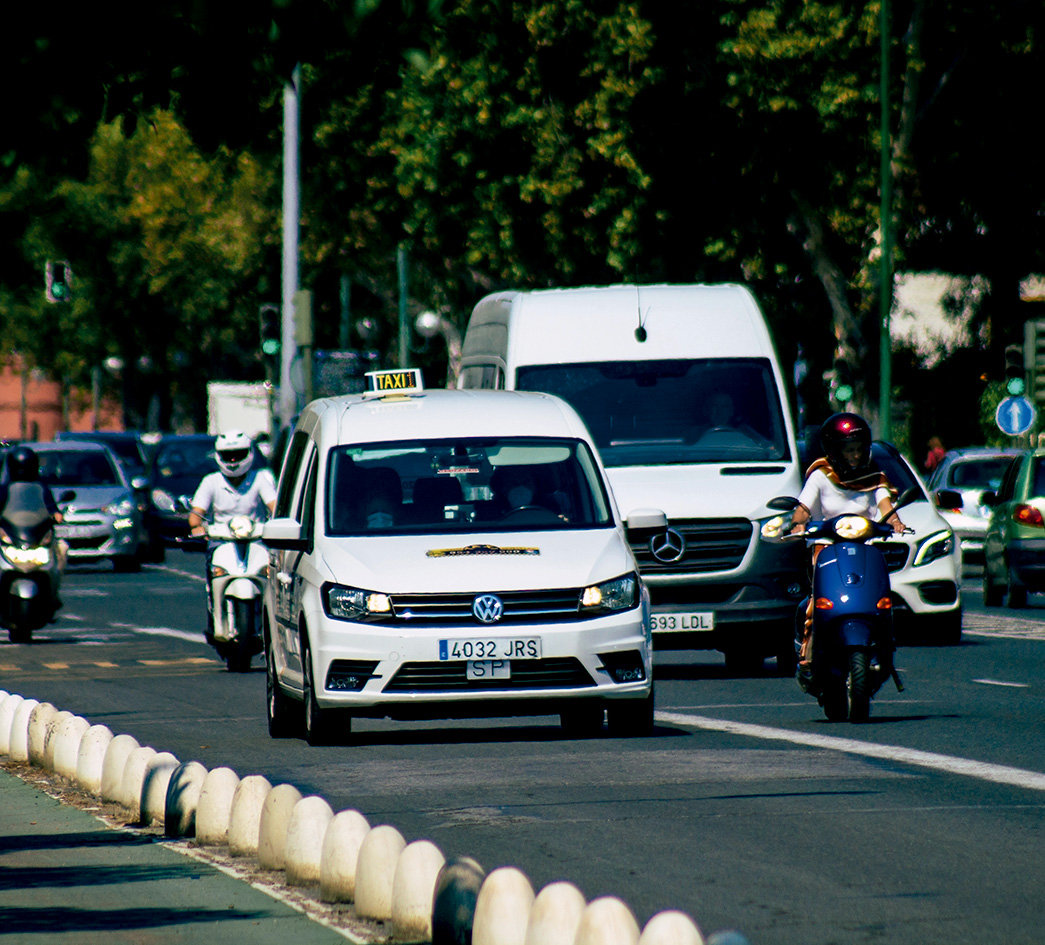
Motorcycles may not stop or park in bus-only lanes.
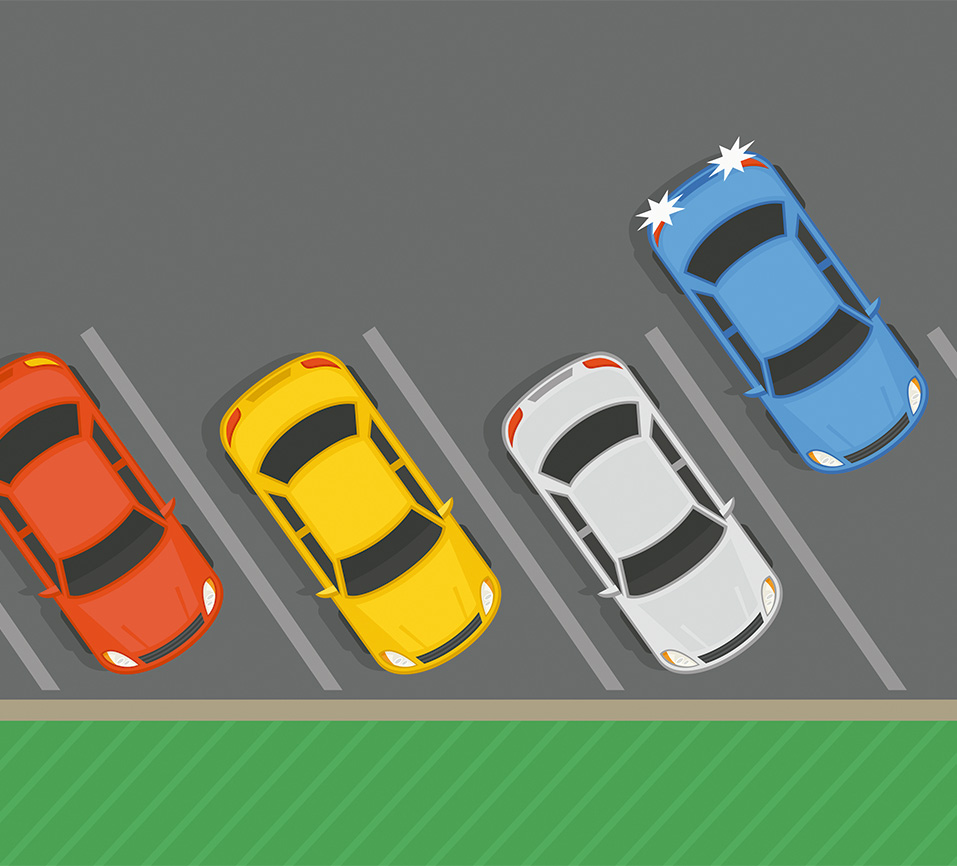
You may exit a parking space in reverse as long as you do not invade an intersection.
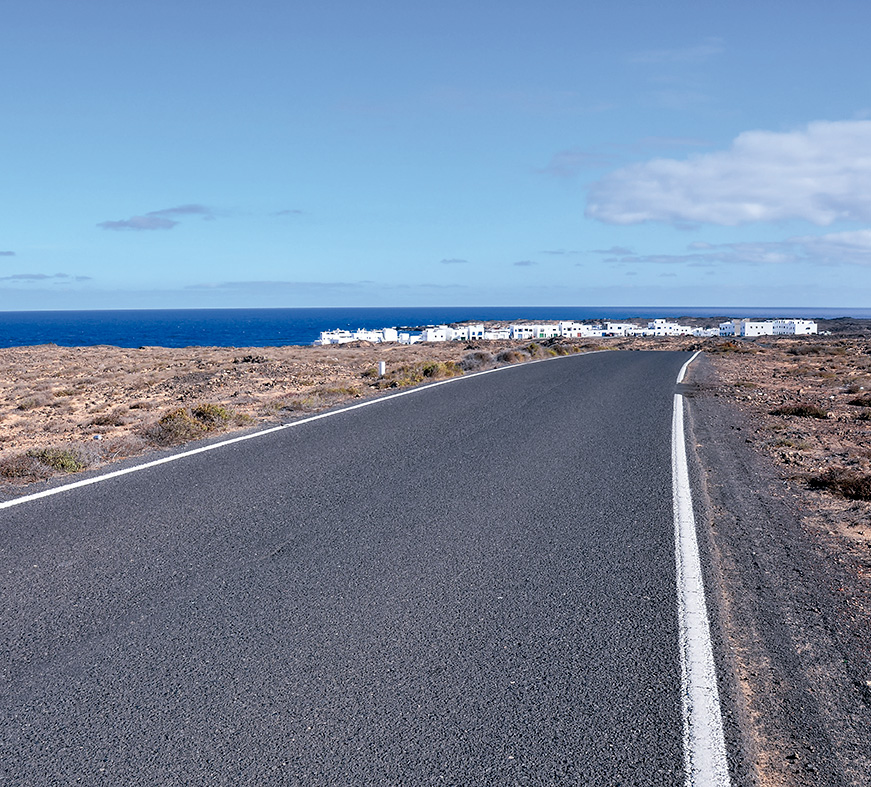
Vehicles longer than 10 meters must keep a 50-meter distance from the vehicle in front.
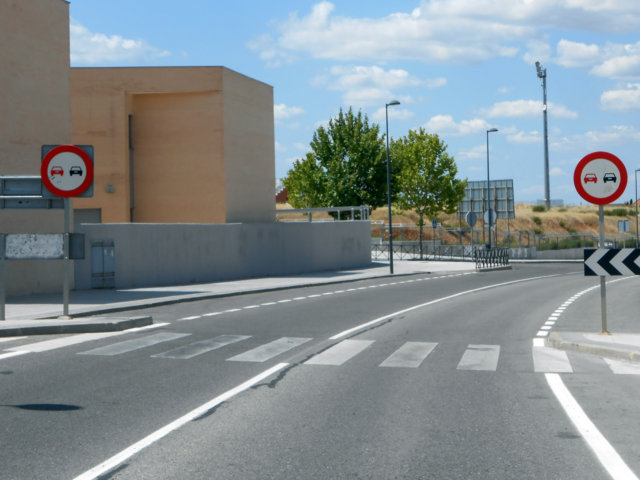
Where overtaking is prohibited, U-turns are also prohibited unless signage allows otherwise.
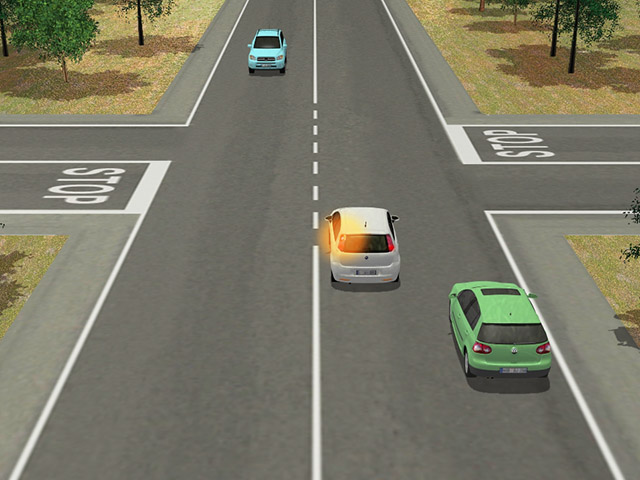
Driving on the shoulder to overtake on the right a vehicle turning left is prohibited.
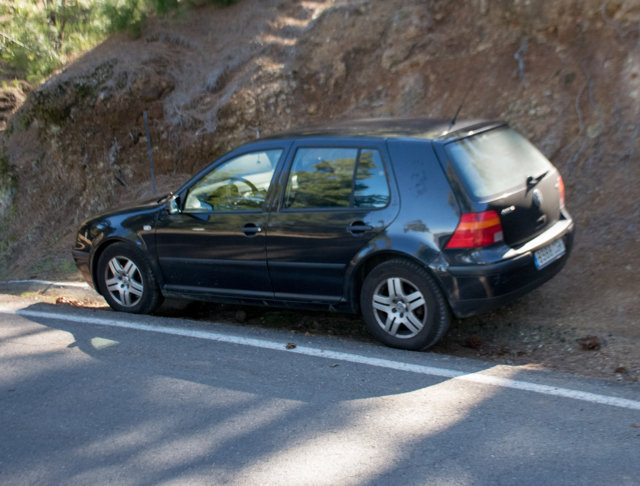
On interurban roads, stop off the roadway, on the right, leaving the passable part of the shoulder clear.
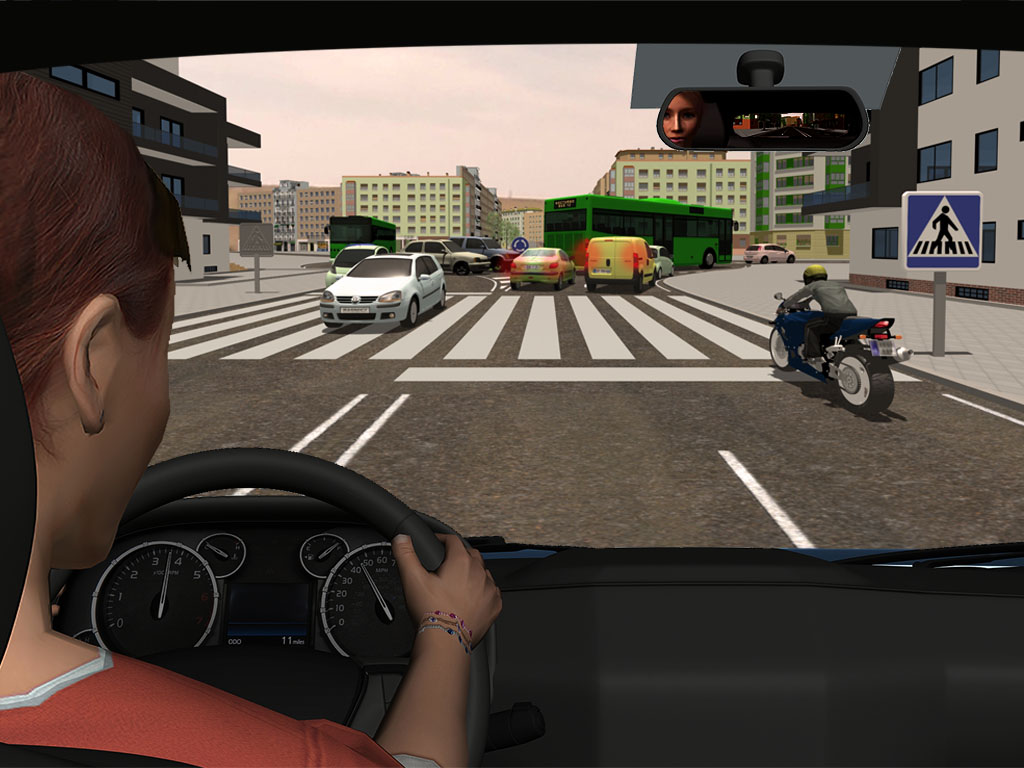
Never enter a pedestrian crossing if you anticipate becoming stopped on it.
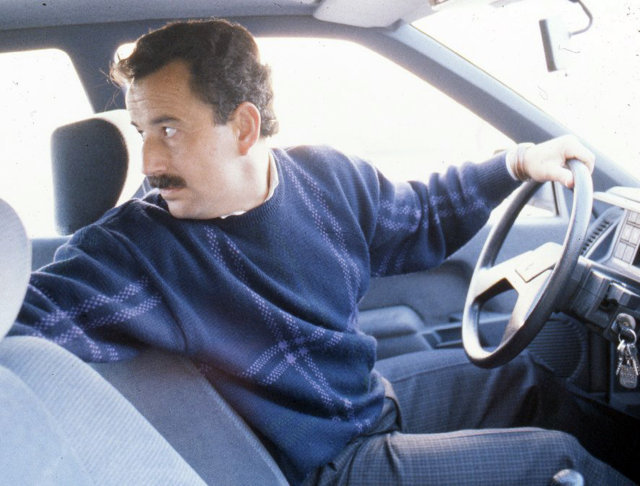
Reversing may never invade an intersection.
On an uphill slope without chocks, rest a front wheel against the curb, turned toward the center of the road.
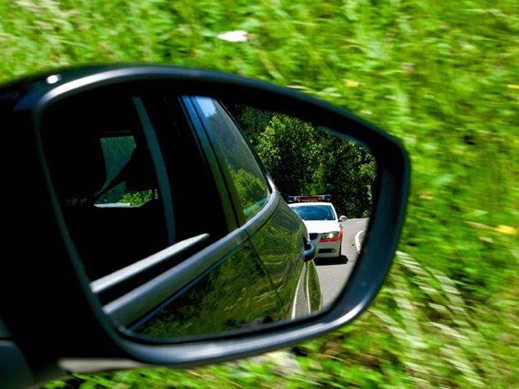
If you are about to be overtaken on the left, move to the right edge of the road to facilitate the maneuver.
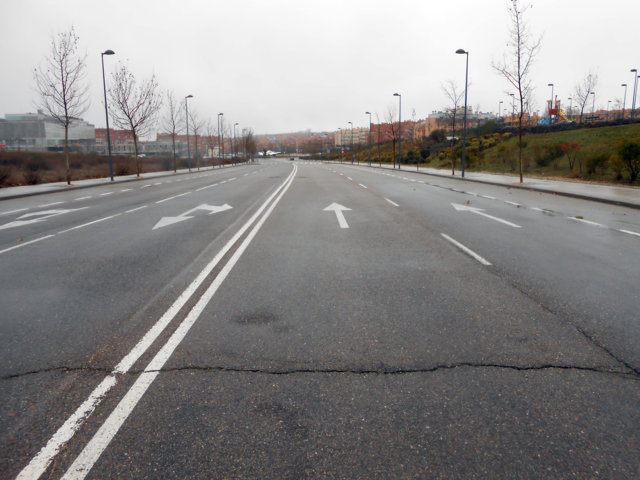
On through roads you drive as on urban roads, and may use the left lane to turn left.
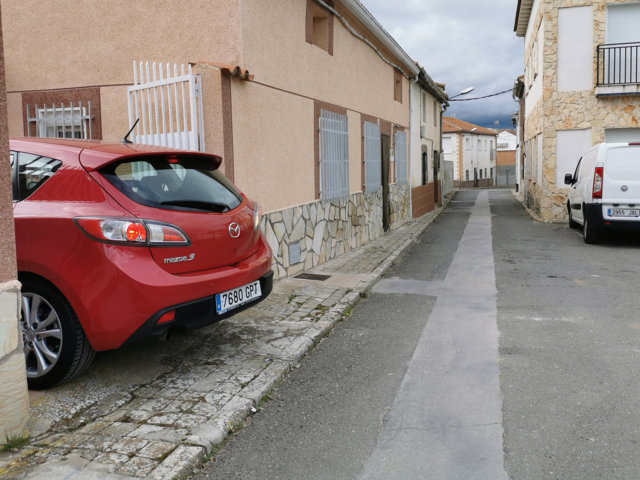
When crossing the sidewalk while exiting a garage, reduce speed in case there are pedestrians.
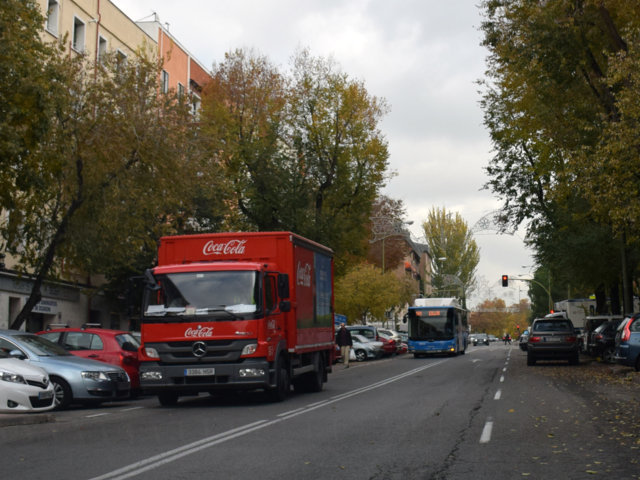
Double parking with no driver present seriously obstructs traffic flow.
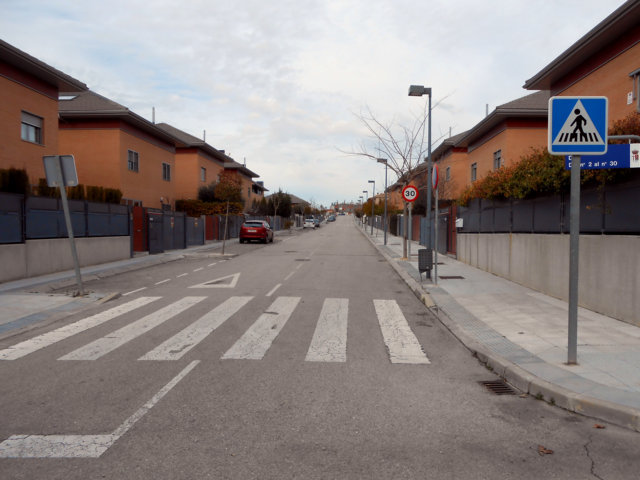
You may overtake at pedestrian crossings at reduced speed, allowing you to stop in the event of a possible collision with a pedestrian.
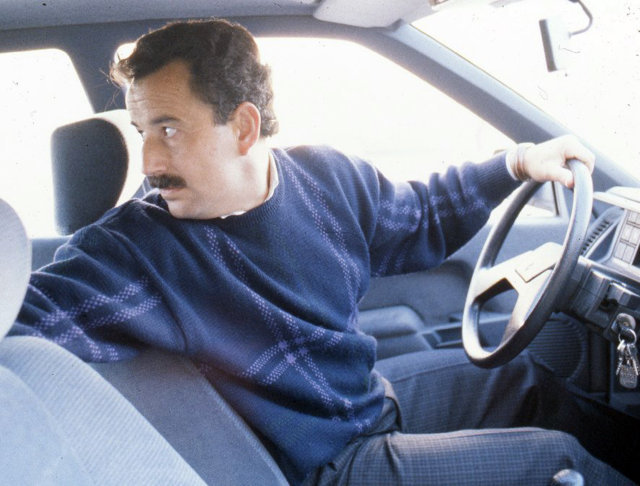
Reversing may never invade an intersection, not even to park.
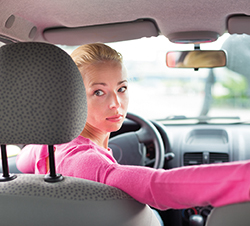
Reversing is only permitted as a complementary maneuver and over the minimum essential distance.
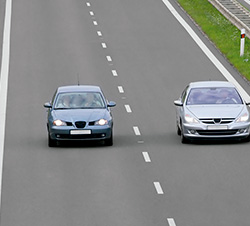
There is no obligation to facilitate overtaking where it is prohibited.
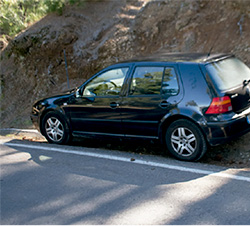
On interurban roads, stop on the right, leaving the passable part of the shoulder clear.
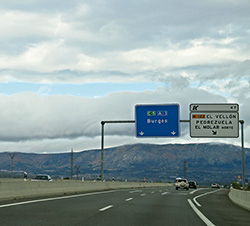
When exiting a dual carriageway, merge into the deceleration lane as soon as possible.
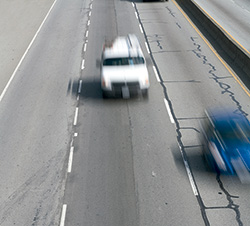
On a motorway, always drive in the right lane, except when overtaking.
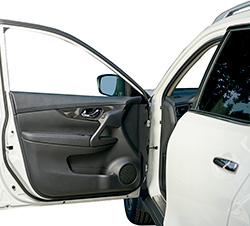
Before opening the door, make sure you do not endanger other road users.
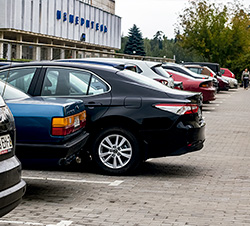
When reversing, take extra caution because pedestrians may cross behind the vehicle.
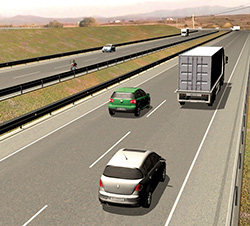
After overtaking, return to the right lane as soon as possible without hindering the overtaken vehicle.
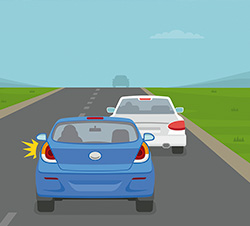
Signaling a lane change does not grant priority over those already driving in that lane.
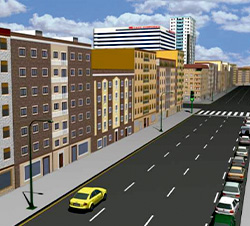
On one-way roads, to turn left position yourself next to the left edge.
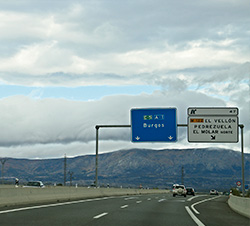
On motorways and dual carriageways you may only stop in designated areas.
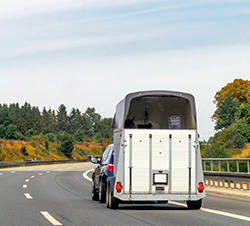
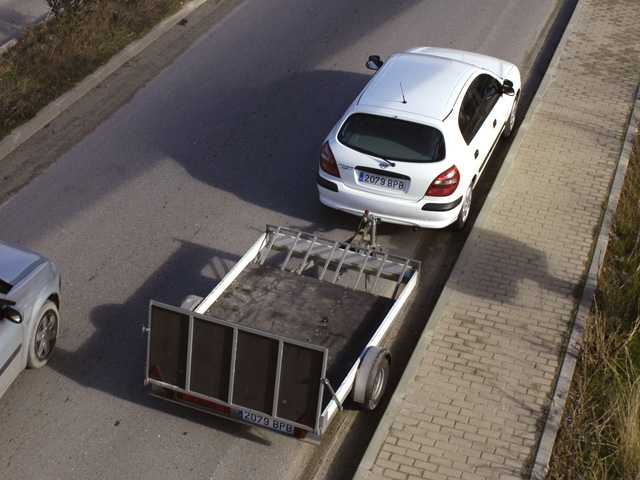
A car with a trailer may use the left lane if the combined length does not exceed 7 meters.
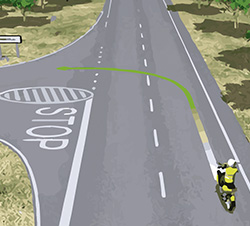
A moped turns left from the right, leaving the roadway if possible.