Key Insights
838 insights
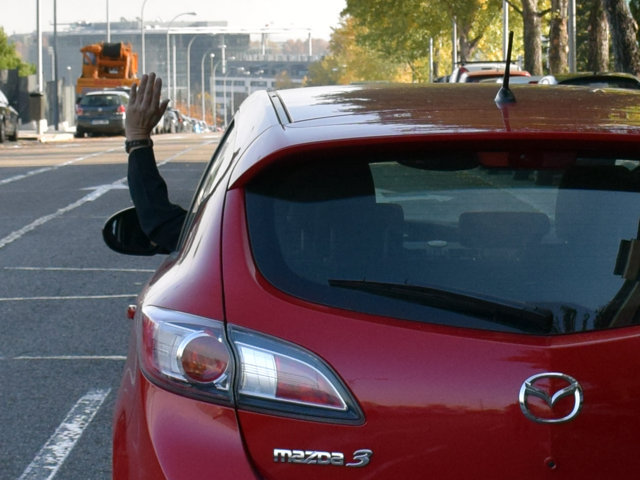
Arm signals are valid if made correctly and are visible to others.
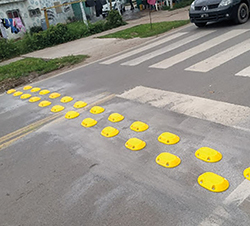
Raised pedestrian crossings are not considered obstacles if they ensure road safety.
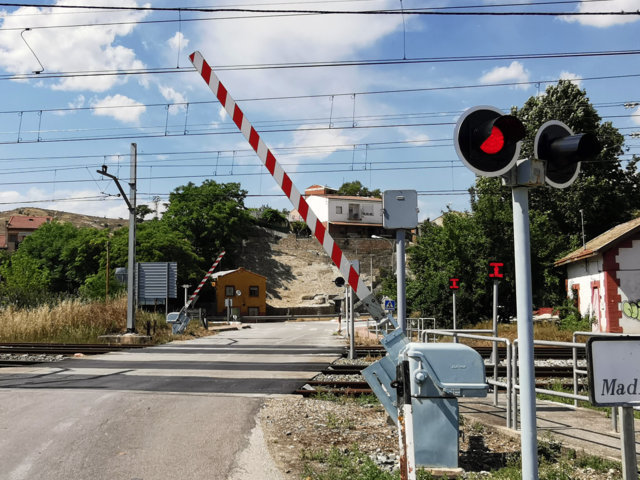
Never enter a level crossing if the barriers are moving.
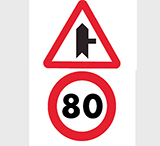
Speed limits end at the next intersection unless otherwise posted.
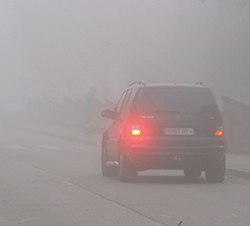
Use the rear fog light only in thick fog, heavy rain, or heavy snowfall.
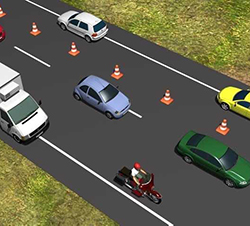
In an additional lane, you must keep at least the low-beam headlights switched on.
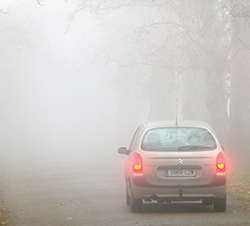
The rear fog light is also used when dense smoke clouds reduce visibility.
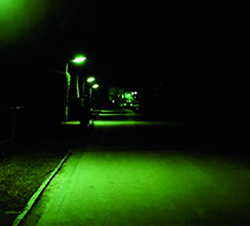
Driving at night with the interior light on reduces outside visibility and is dangerous.
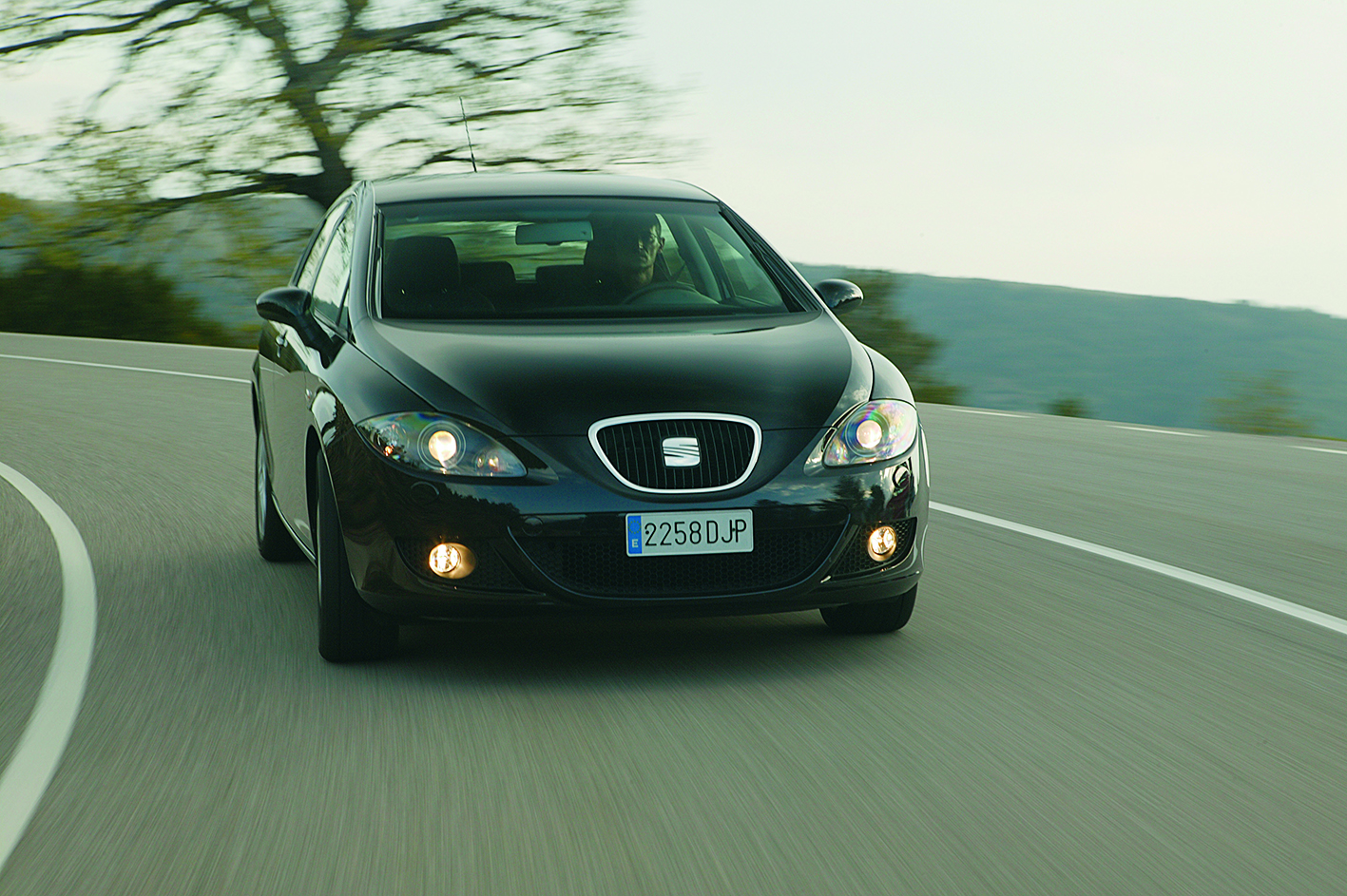
The position light indicates the location and width of the vehicle on the road.
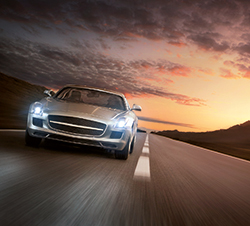
Drive with your lights on between sunset and sunrise.
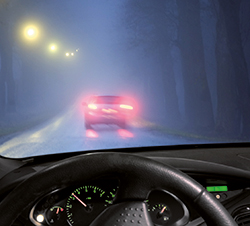
Use the rear fog light whenever you are driving in heavy snowfall.

On an illuminated built-up road after sunset, use position lights and low-beam headlights.
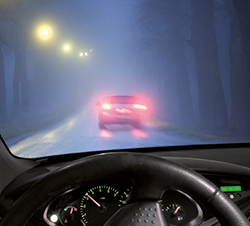
The rear fog light is reserved for especially unfavorable weather conditions.
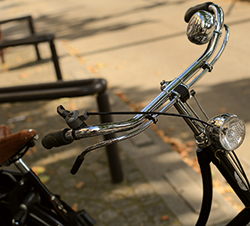
Cyclists are required to have their lights on when riding at night.
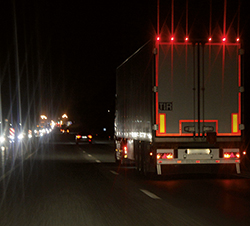
A reflector is a device that reflects the light from an external light source.
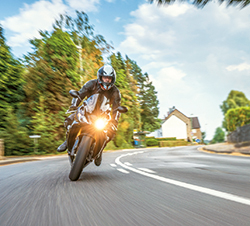
Motorcycles must always ride with the low-beam headlight on, including during the day.
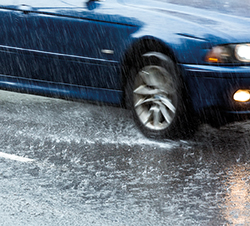
In very heavy rain, you may switch on the rear fog light.
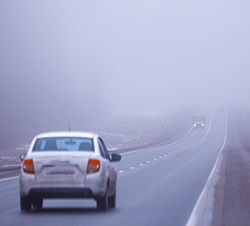
In thick fog, switch on fog lights together with position and low-beam lights.

Before dawn on an interurban road, use position and low-beam lights even if visibility is good.

When transporting a sick person in an emergency, keep the hazard lights switched on.
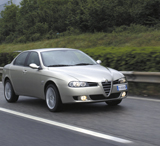
Position lights are never enough on their own: always pair them with low- or high-beam lights.
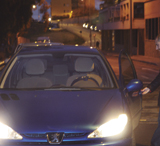
Passenger cars must use their lights between sunset and sunrise.
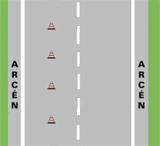
In additional lanes, the low-beam headlights must be kept on, both day and night.
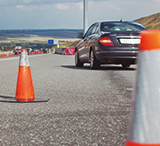
In reversible lanes, you must always drive with the low-beam headlights switched on.
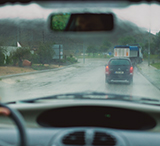
Rear fog lights are only mandatory in very heavy rain, dense fog, snow, or smoke.
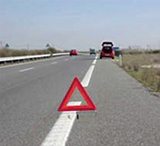
When immobilized on a motorway, turn on the hazard lights and, if necessary, the position lights.
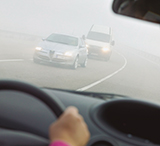
In fog or heavy rain, high beams cause glare through reflection; use low beams instead.
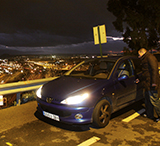
Nighttime breakdown on the shoulder: turn on position lights and hazard lights.
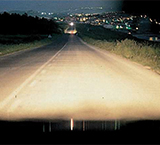
Clearance lights are mandatory on vehicles more than 2.10 meters wide.
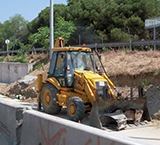
Maintenance vehicles must turn on the V-2 light from the moment they enter the motorway.
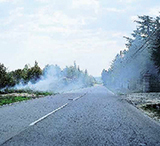
When facing clouds of smoke, use the front fog light or the low or high beam lights.
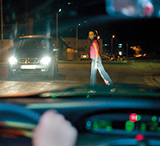
At night on urban through-roads, position and low beam lights are mandatory.
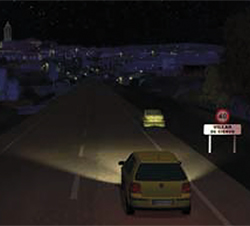
On the shoulder of a poorly lit through-road, keep the position or parking lights on.

When driving under 40 km/h on a poorly lit road, position and low beam lights are sufficient.
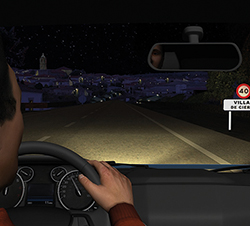
High beam lights are prohibited on urban through-roads.
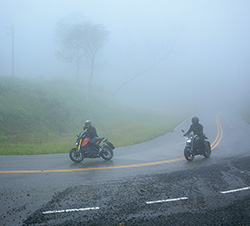
In light fog, motorcycles use the front fog light or low or high beam, in addition to position lights.

If a dark vehicle cannot be distinguished at 50 m, the road is considered insufficiently lit and allows the use of high beams.
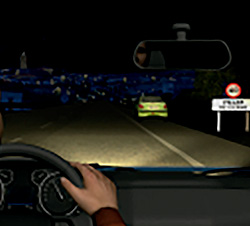
Vehicle immobilized at night on the shoulder of a poorly lit through-road: keep position lights on.
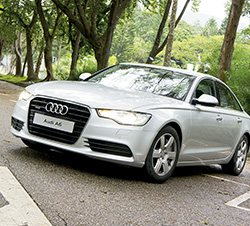
During the day, it is mandatory to turn on the lights in signposted tunnels and underpasses.
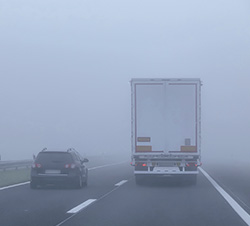
In fog you may use high beams as long as you do not dazzle other road users.
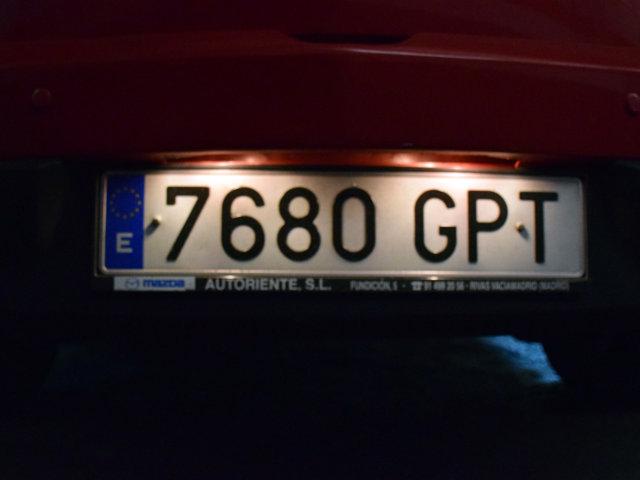
At night, only the rear license plate is required to be illuminated.
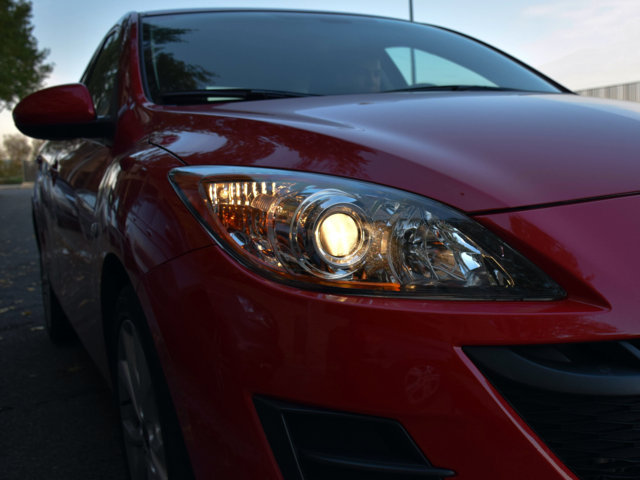
On reversible lanes, driving with low beam lights is mandatory, even during the day.
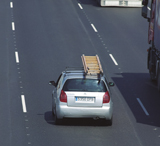
Indivisible cargo may protrude from the rear up to 15% of the vehicle's length.
The greater the mass and volume, the longer the braking distance: increase your safety distance.
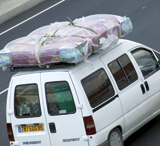
The load on a passenger car may never protrude from the sides or the front.
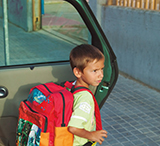
Children measuring 135 cm or less must always use an approved child restraint system.
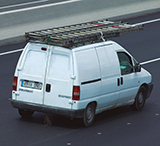
A load protruding from the front must be marked with a white light at night or in low-visibility conditions.
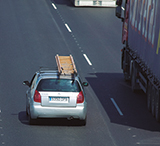
On vehicles less than one metre wide, the load may not protrude more than 0.25 m at the rear.
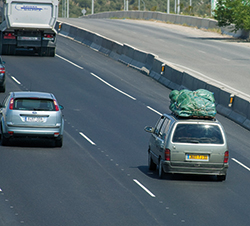
On a passenger car, the load may protrude at the rear up to 10%, or 15% if it is indivisible.
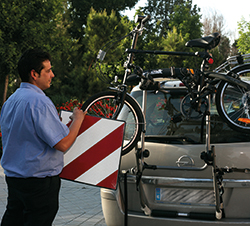
Any load protruding at the rear must be marked with the reflective V-20 panel.