Key Insights
838 insights
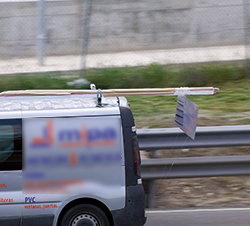
On goods vehicles less than 5 m long, an indivisible load may protrude at the front up to one third of the vehicle's length.
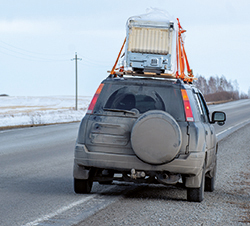
The load on a passenger car must never compromise the stability of the vehicle.

Carry your pet secured with a suitable device and without compromising anyone's safety.
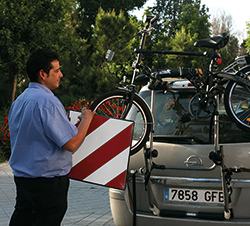
The protruding load panel is only mandatory when the load extends beyond the rear of the vehicle.
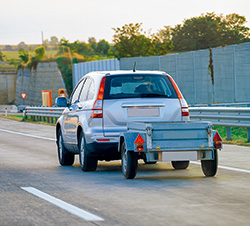
The trailer's load must be properly distributed and secured so as not to destabilise the vehicle.
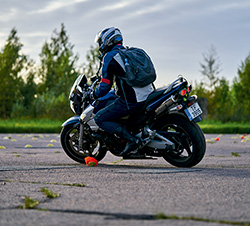
On motorcycles, an indivisible load may protrude laterally up to 0.50 m on each side of the axle.
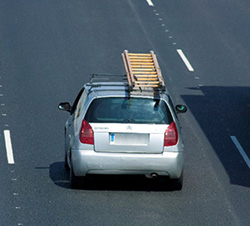
On passenger cars, an indivisible load may protrude at the rear up to 15% of the vehicle's length.
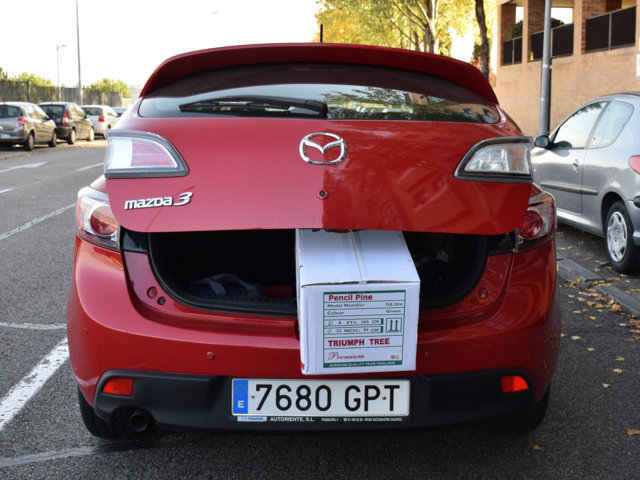
A load protruding at the rear must always be marked with a panel, including during the daytime.
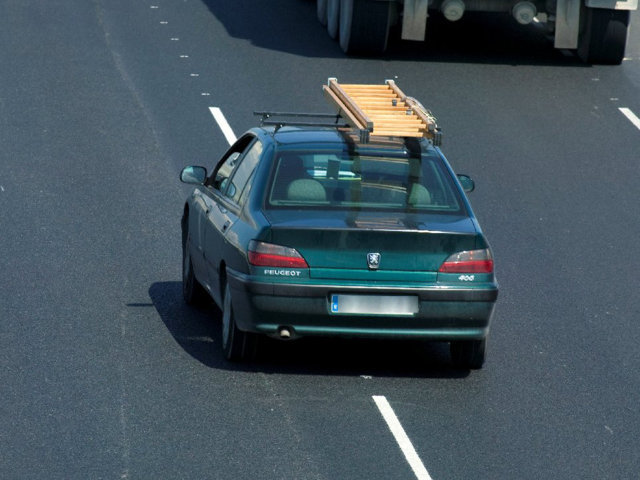
The load on the roof rack must be placed so that it never compromises the stability of the vehicle.
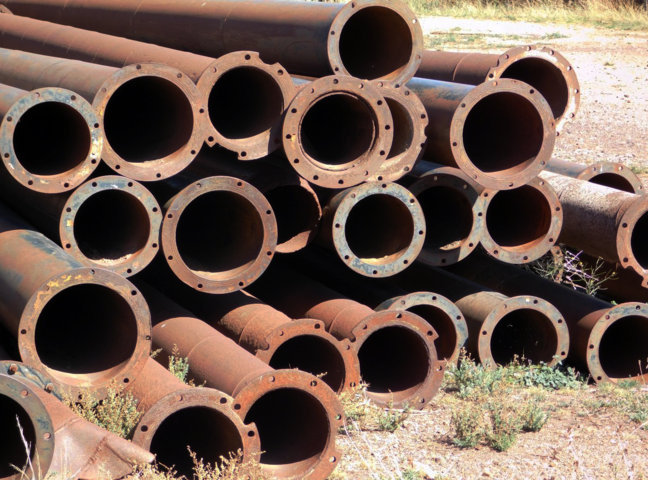
An indivisible load may only protrude at the front on vehicles intended for the transport of goods.
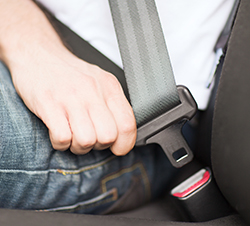
A valid medical certificate may exempt a person from the obligation to wear the seat belt.
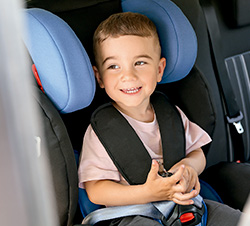
Children under 135 cm must use approved restraint systems adapted to their height and weight.
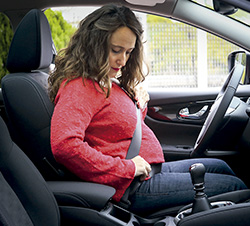
Pregnant women must wear the seat belt as a general rule, unless exempted by a medical certificate.
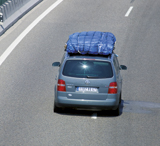
Exceeding the permitted load overheats the tyres and increases the risk of a blowout.
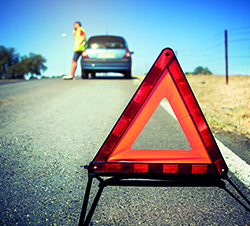
It is mandatory to carry two approved warning triangles in the car.
Replace bulbs as soon as they lose intensity, without waiting for them to burn out.
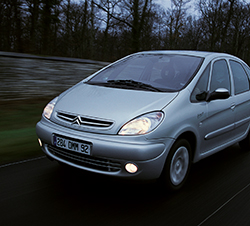
Keep the lighting in good condition: poor illumination increases fatigue and risk.
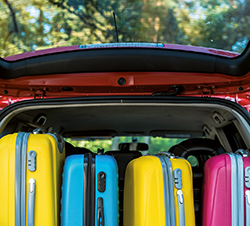
To save fuel, always load luggage in the trunk, not on the roof rack.

After prolonged exposure to heat, visually inspect headlights and tail lights for possible damage.
Immobilized in a tunnel: turn off the engine, activate hazard lights, and keep position lights on.
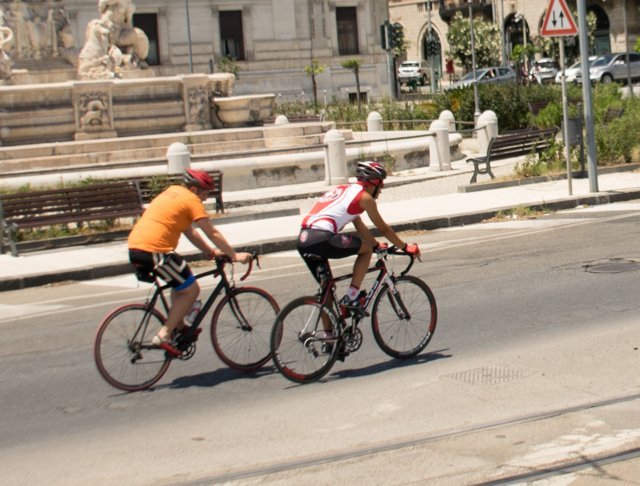
Bicycles may generally ride in parallel, in two columns.
A change in gradient joins two sections of different slopes and reduces visibility.
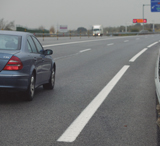
The shoulder of dual carriageways and motorways is only used to stop the vehicle due to emergency or breakdown.
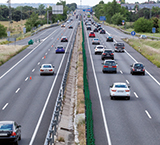
On lanes enabled in the opposite direction to ease traffic flow, only passenger cars without trailers and motorcycles may circulate.
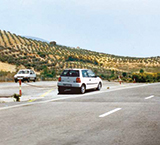
The central reservation may only be used to stop the vehicle in an emergency when the right shoulder is not feasible.
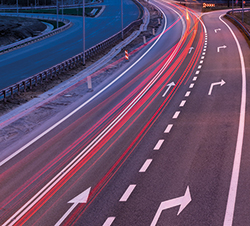
The deceleration lane is used to reduce speed when exiting a motorway or dual carriageway.
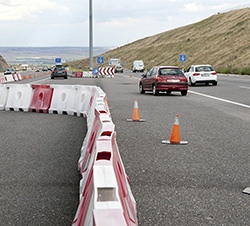
On lanes enabled in the opposite direction due to roadworks, all vehicles authorized on the road may circulate.
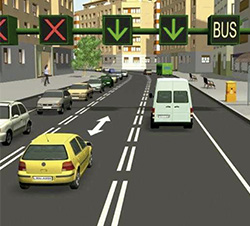
Vans may use reversible lanes normally.
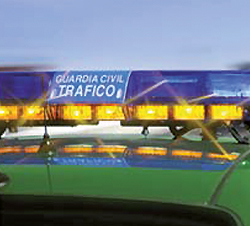
When ordered to stop by an officer, you must pull over where it causes no risk or inconvenience.
On urban through-roads the limit is 50 km/h and it may never be exceeded to overtake.
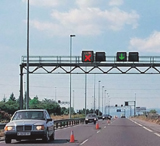
On lanes enabled in the opposite direction, drive between 60 and 80 km/h with low beams on.
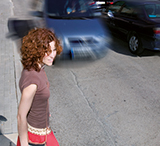
The 50 km/h limit in town protects the pedestrian's life in case of being run over.
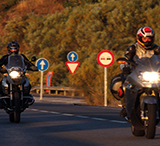
Motorcycles on conventional roads may circulate up to 90 km/h, the same as other passenger cars.
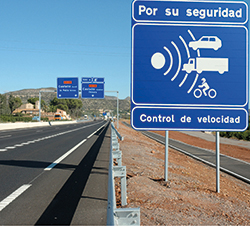
On dual carriageways and motorways, the minimum speed for passenger cars is 60 km/h.
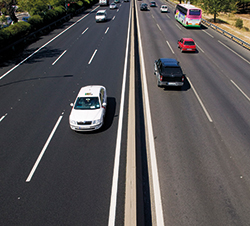
The minimum speed on dual carriageways and motorways for passenger cars is 60 km/h.
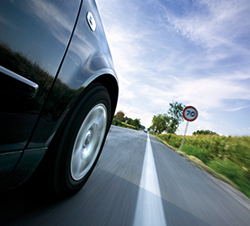
Driving too slowly also causes accidents if it is not adapted to traffic.
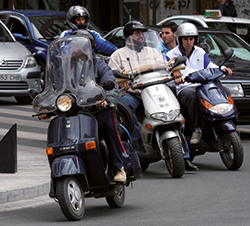
On urban roads the general speed limit for motorcycles is 50 km/h.
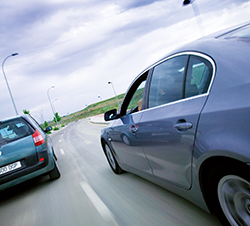
It is no longer permitted to exceed the road's maximum speed to overtake under any circumstances.
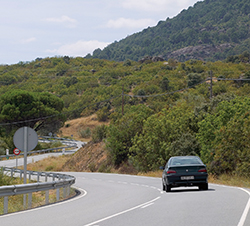
An abnormally reduced speed is considered to be one lower than half the generic limit of the road.
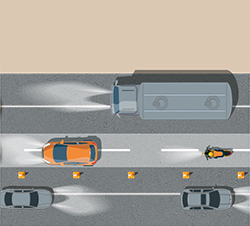
On additional enabled lanes, the maximum speed is 80 km/h.
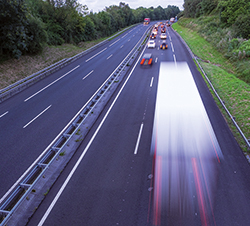
A safe following distance must always be maintained on all types of roads.
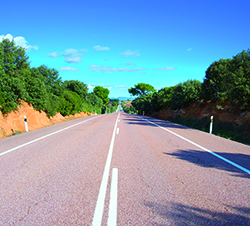
The general maximum speed for passenger cars on conventional roads is 90 km/h.
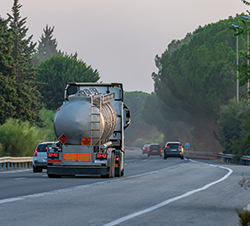
When overtaking, a passenger car may never exceed the general maximum speed limit of the road.
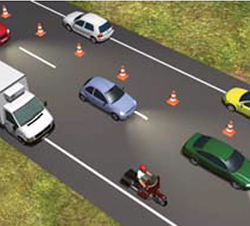
On circumstantial additional lanes, the minimum speed is 60 km/h, unless a lower limit is signposted.
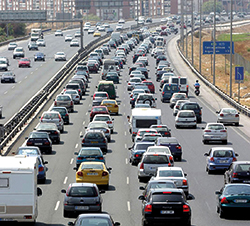
On motorways and dual carriageways within built-up areas, the limit is 80 km/h unless otherwise signposted.
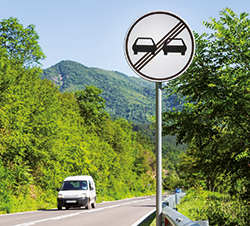
On conventional roads outside built-up areas, 90 km/h cannot be exceeded, not even when overtaking.
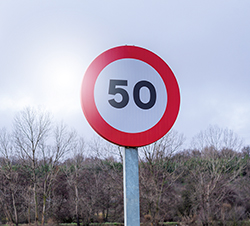
Speed limits aim to ensure maximum safety and smooth traffic flow.
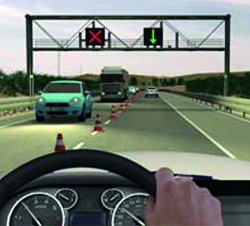
When a lane is opened in the opposite direction, the maximum speed of the adjacent lane is reduced to 80 km/h.
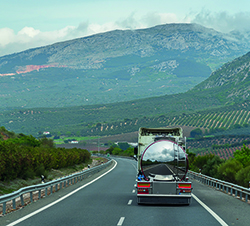
Driving below the minimum speed without justified cause is considered abnormally low speed and is prohibited.
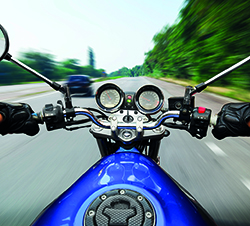
On dual carriageways and motorways, the maximum limit for motorcycles and passenger cars is 120 km/h.