Key Insights
838 insights
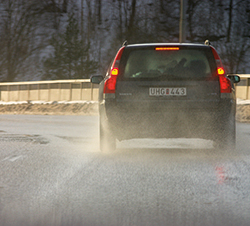
You can reduce speed using both the brake and the engine (engine braking).
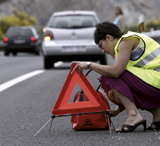
Vehicle broken down on the shoulder: hazard lights, warning triangles and, if applicable, position lights.
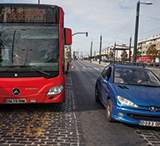
When overtaking a bus, anticipate hidden pedestrians who may cross in front of or behind it.
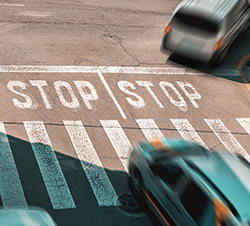
Reaction distance is the distance traveled from the moment a stimulus is perceived until a response is given.
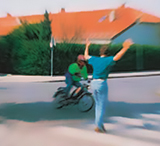
The higher the speed, the lower the ability to anticipate due to tunnel vision and less reaction time.
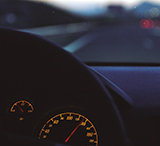
Driving fast increases fatigue due to the greater concentration it requires.
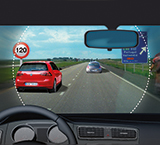
The higher the speed, the narrower the field of vision due to the tunnel effect.
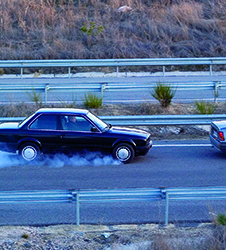
Safety distance depends on speed and on grip and braking conditions.
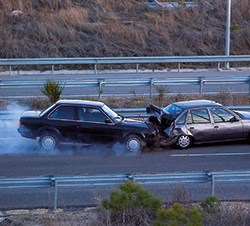
Stopping distance adds reaction time plus braking distance, depending on speed.
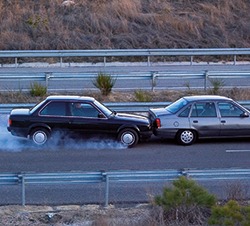
Braking distance goes from the moment the brake is pressed until the vehicle comes to a stop.
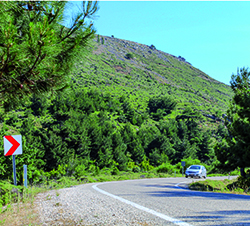
Centrifugal force on curves taken at excessive speed pushes the vehicle toward the outside of the curve.
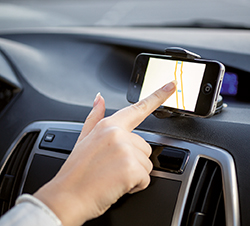
The speedometer is the main source for monitoring speed; the navigation device is only a complementary aid.
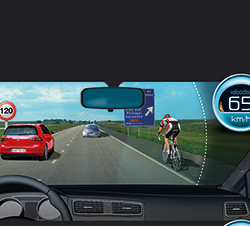
The higher the speed, the narrower the driver's field of vision.
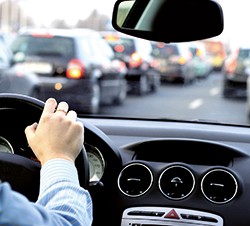
Most fatal pedestrian collisions occur on urban roads.
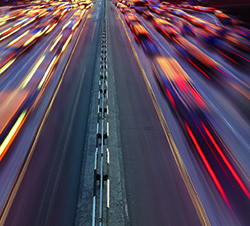
Speed is a key risk factor and must be adapted to each circumstance.
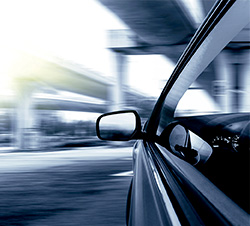
The tunnel effect caused by excessive speed makes you see only the center of the road, losing sight of the sides.
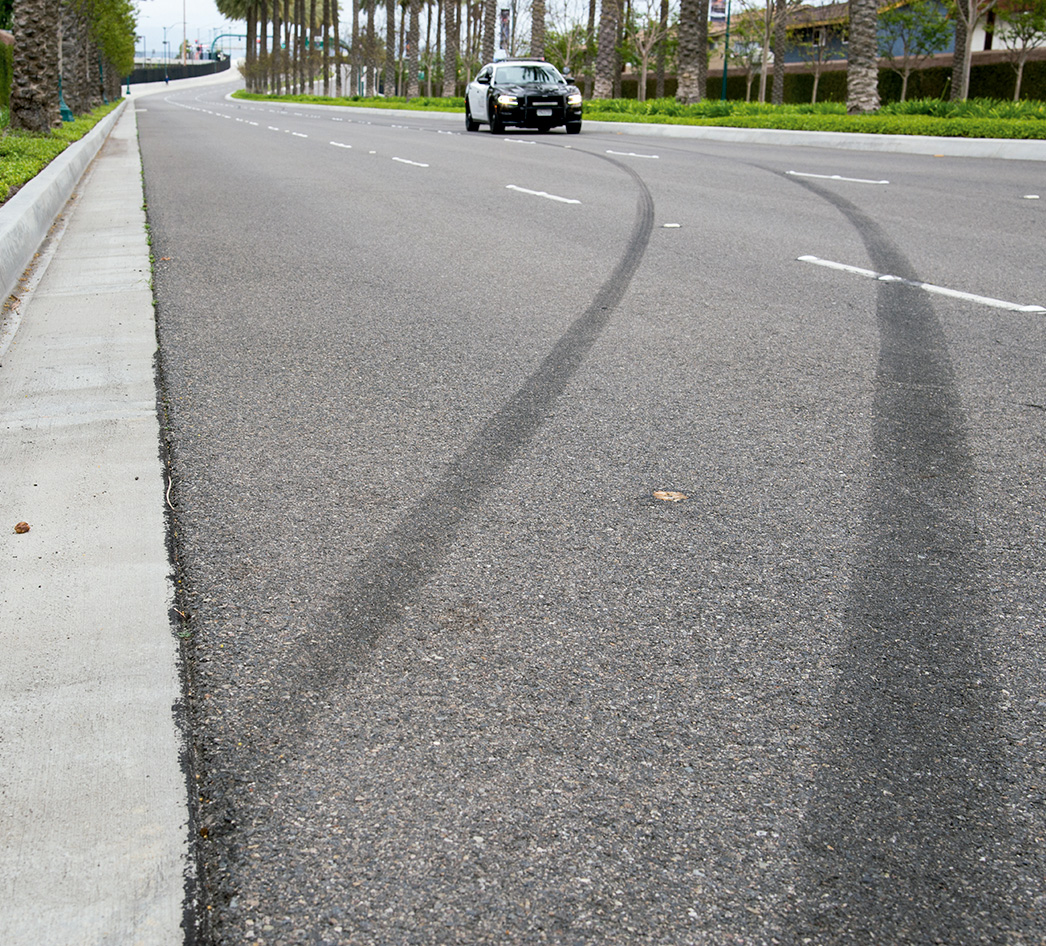
Braking distance depends on speed, the condition of the road, and the condition of the vehicle.
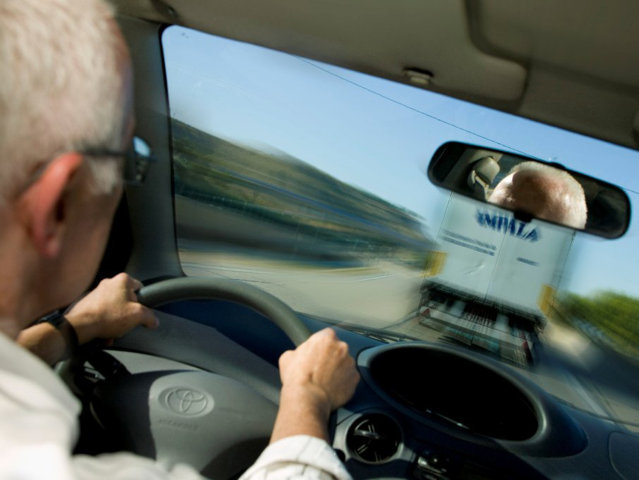
The higher the speed, the greater the reaction distance traveled before starting to brake.
The driver is responsible for ensuring that passengers maintain a proper posture during the trip.
Fatigue appears when driving too long without resting.
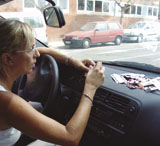
Depression diverts attention inward and information from the surroundings is lost.
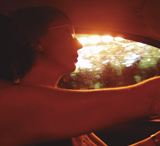
Excessive heat in the cabin causes fatigue and reduces reaction capacity.
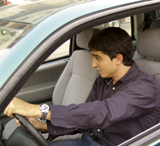
Poor posture at the wheel generates muscle tension and accelerates fatigue.
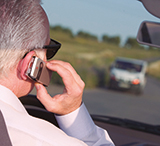
Using your mobile phone while driving multiplies the risk of an accident.
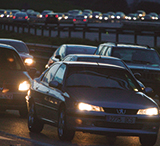
At night, visual acuity is reduced: lower your speed and increase your following distance.
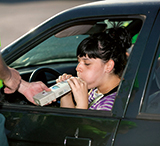
Novice and professional drivers: maximum 0.15 mg/l in breath (0.3 g/l in blood).
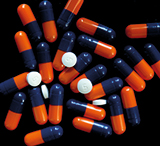
Amphetamines cause impulsiveness, impatience, and overconfidence behind the wheel.
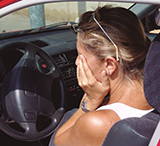
Rest every 2 hours or 200 kilometers to prevent fatigue.
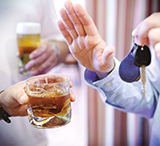
Distilled drinks are absorbed more quickly than fermented ones.

Novice driver: maximum rate of 0.15 mg/l of alcohol in exhaled breath.
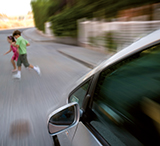
Reaction time spans from perceiving the danger to beginning to act.
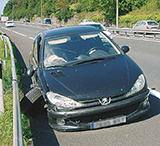
The human factor causes the vast majority of traffic accidents.

The sound of a mobile phone can startle and distract the driver, increasing the risk of an accident.

Cocaine makes the driver more impulsive, competitive, and aggressive, reducing risk perception.
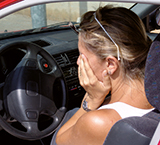
Alcohol, fatigue, and excessive speed are risk factors related to the human factor.
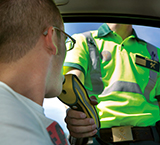
Every driver and every road user involved as a possible responsible party in an accident must undergo a breathalyzer test.
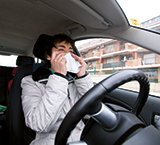
A cold causes drowsiness and loss of concentration behind the wheel.
Youth accidents are associated with a lower perception of risk.
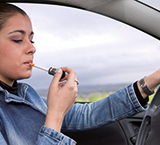
Smoking while driving distracts and interferes with driving, potentially causing an accident.
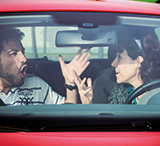
Intense emotions, such as a heated argument, increase reaction time.
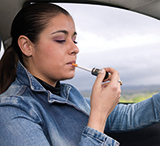
Smoking while driving is not recommended because it reduces attention on the road.
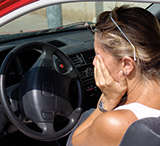
Driving for long periods without resting promotes the onset of fatigue.
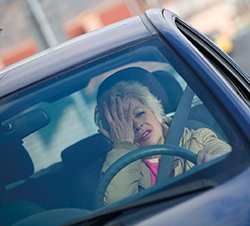
Increased blinking and blurred vision are clear symptoms of fatigue while driving.
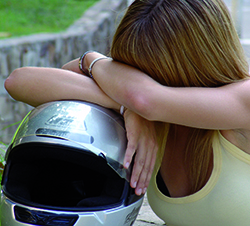
Fatigue increases the driver's reaction time.

Alcohol reduces the driver's field of vision.
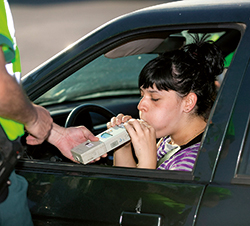
Immobilization for excessive alcohol ends when the cause that motivated it disappears.
Mobile phones may only be used with hands-free devices, without headsets or earphones, even when stopped.
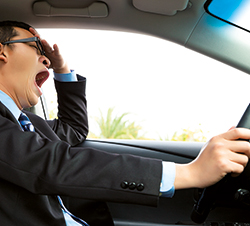
Fatigue considerably increases driving errors.
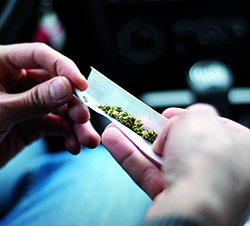
Illegal drugs seriously impair the driver's abilities and road safety.
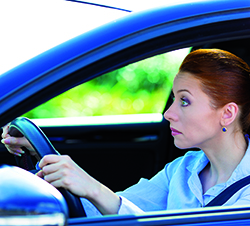
Sleepiness appears especially in the early morning hours and the first hours of the afternoon.