Key Insights
838 insights
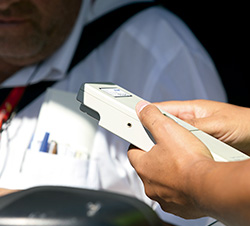
Officers may carry out drug detection tests at any preventive checkpoint.

Any amount of alcohol, however small, impairs driving ability.
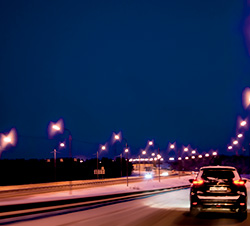
Driving at night promotes the onset of sleep and drowsiness at the wheel.
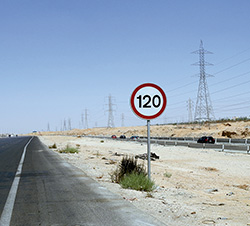
Driving for long periods at high speeds accelerates fatigue and increases aggressiveness.

The side effects of medications vary depending on each person's age, fatigue, and physical condition.

Accidents with fatal victims increase during holidays and weekends.

The deterioration of psychomotor abilities is a leading cause of accidents in older drivers.
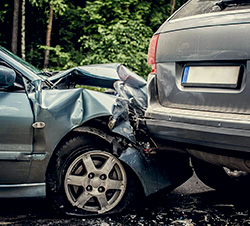
The vehicle is the factor least involved in causing accidents; the driver and the road predominate.

Alcohol frequently causes impulsive and aggressive responses toward other drivers.
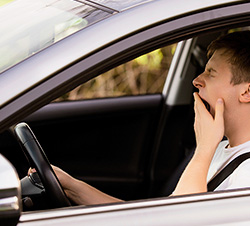
Sleeping poorly or too little prevents you from being in optimal condition to drive safely.
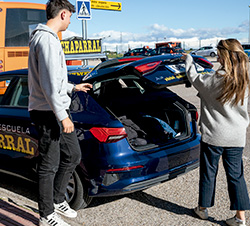
Serious accidents involving young people are often linked to inexperience and the use of alcohol or drugs.
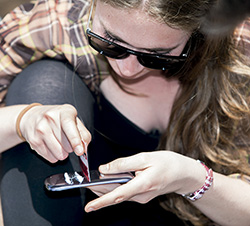
Cocaine makes the driver competitive, impulsive, and prone to taking risks.
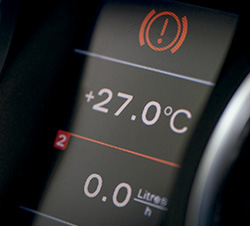
Heat increases reaction time and aggressiveness behind the wheel.

To avoid drowsiness, sleep between 7 and 9 hours before driving.
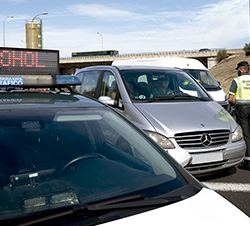
Refusing a breathalyzer test is a crime defined in the Penal Code.
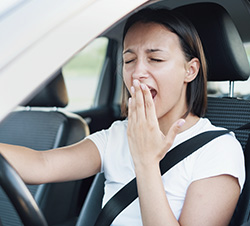
A drowsy driver takes more risks than they would if rested.
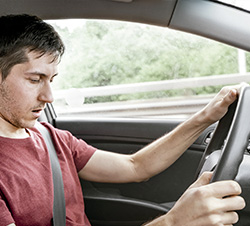
A microsleep is falling asleep for a few seconds without realizing it, very dangerous behind the wheel.
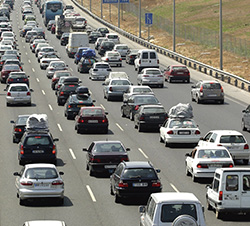
Even when stopped in traffic, you can only use your mobile phone with a hands-free device and without earphones.

Depression increases distractions and drowsiness while driving.
Talking with a hands-free device also distracts and maintains a certain risk of accident.
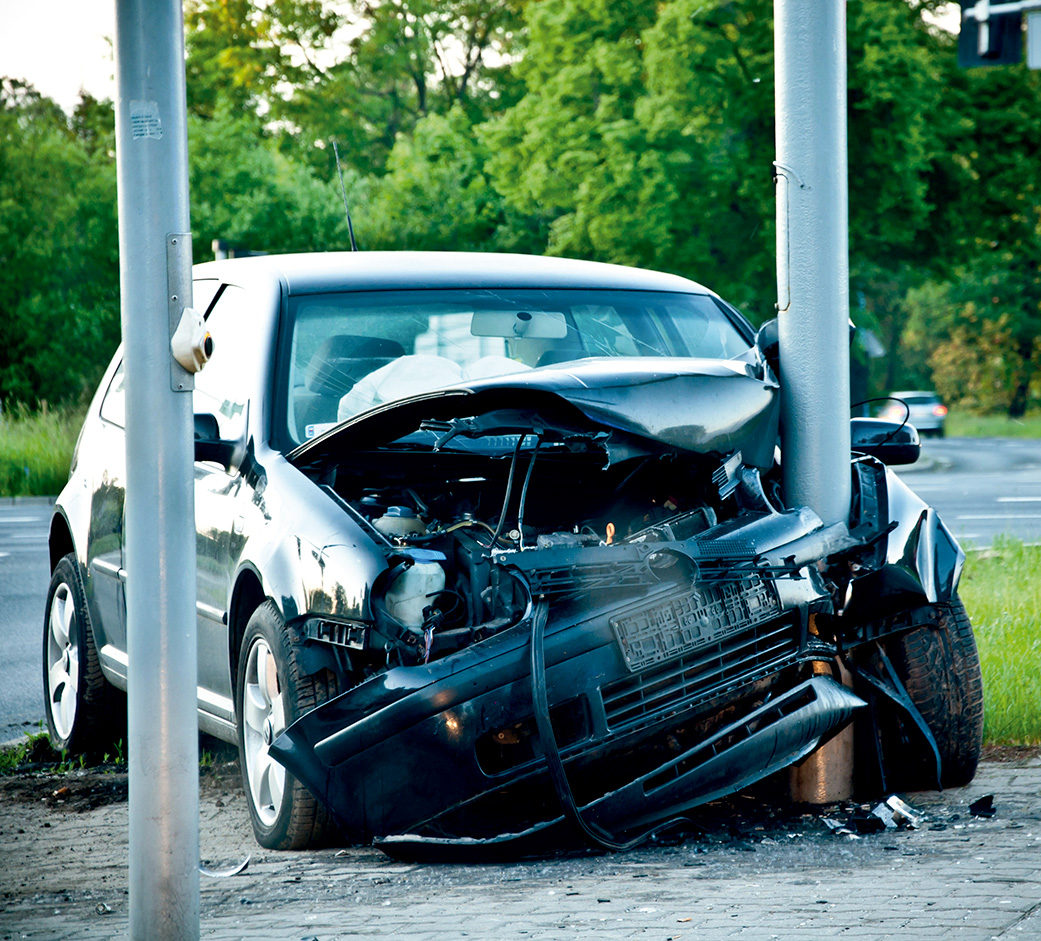
The human factor is the cause of most traffic accidents.
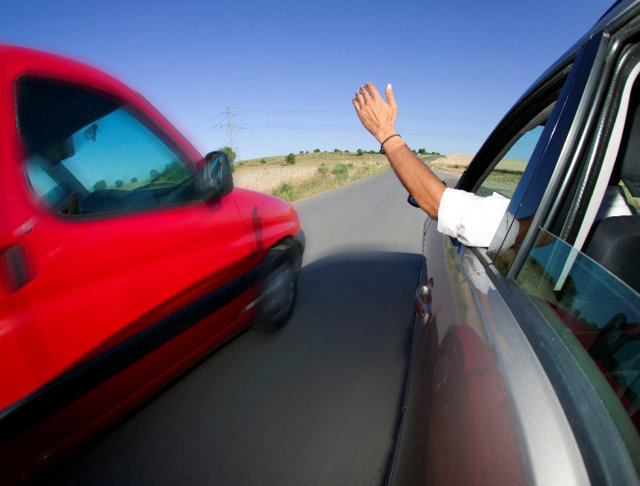
Prolonged stress damages health and reduces driving abilities.

Alcohol increases the driver's reaction time.

Alcohol reaches its maximum effect between 30 and 90 minutes after consumption.
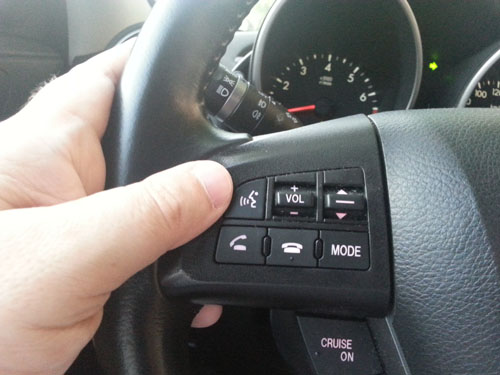
Even hands-free phone calls reduce awareness, causing drivers to miss key environmental information.
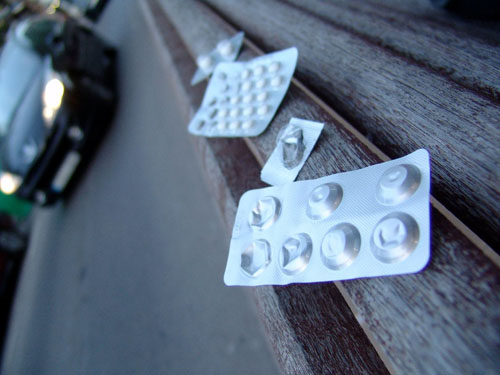
With chronic illness, always know your medications' side effects to drive safely.

Avoid driving in flip-flops; loose footwear can slip off and block the pedals.

Van drivers in interurban accidents most often fail to keep safe distance and drive at inappropriate speeds.

Roadside advertising billboards can distract drivers and shift attention from the road.

Alcohol reduces visual capacity, impairing the driver's ability to see properly.
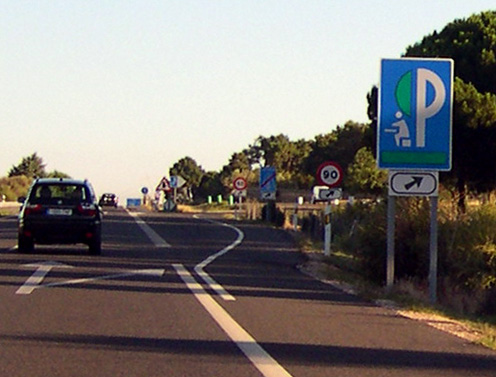
To prevent fatigue, rest 20–30 minutes every 2 hours or 200 kilometers of driving.
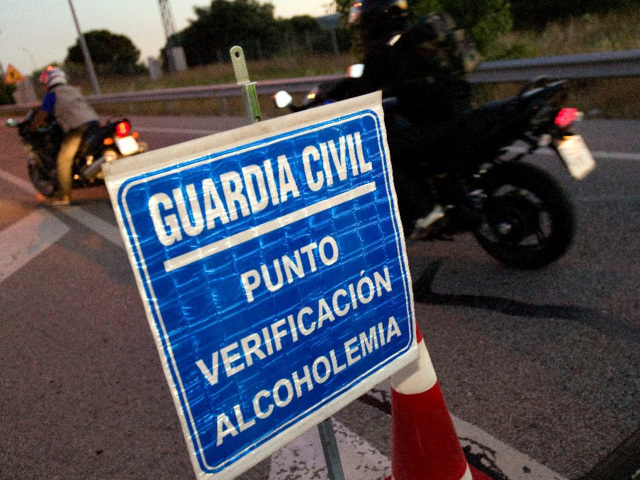
Alcohol impairs perception, making drivers less able to notice traffic signs.
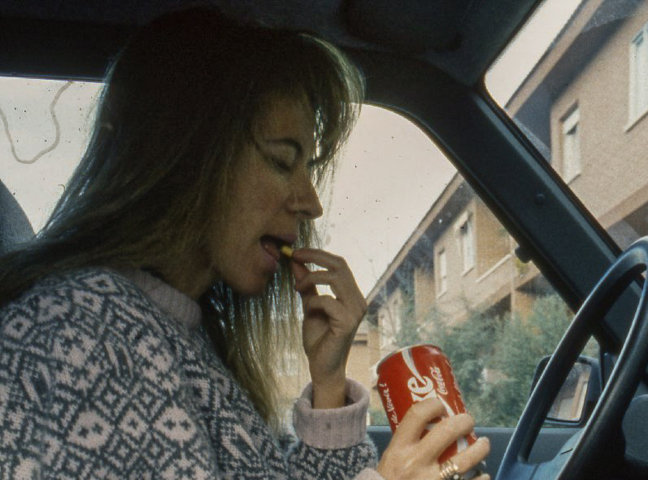
Both illness and medications can impair driving ability and cause accidents.

On long trips, rest 20–30 minutes every 2 hours or 200 kilometers driven.
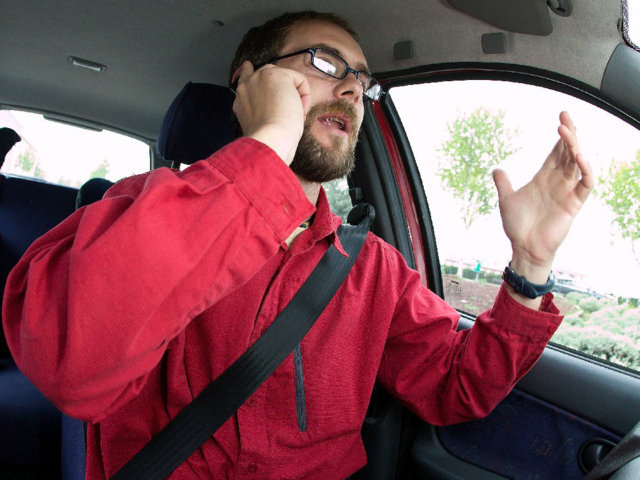
Mobile phone use lowers driver attention, even with a hands-free device.
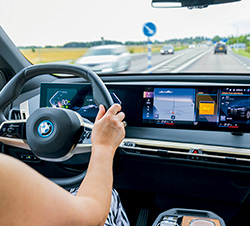
The driver's judgment always takes precedence over GPS navigator instructions.
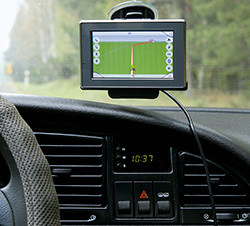
Place the GPS where it does not obstruct your view or the deployment of the airbag.
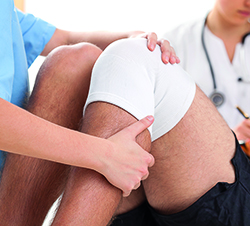
Rehabilitation in health centers is part of the healthcare costs resulting from accidents.
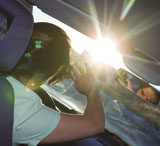
Sun glare makes it harder to see other vehicles; reduce speed and use a sun visor or approved sunglasses.
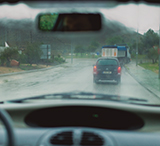
Bad weather accelerates fatigue; plan more frequent rest stops.
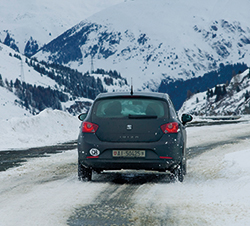
Ice, snow, rain, and roadworks are hazards related to the road and environment factor.
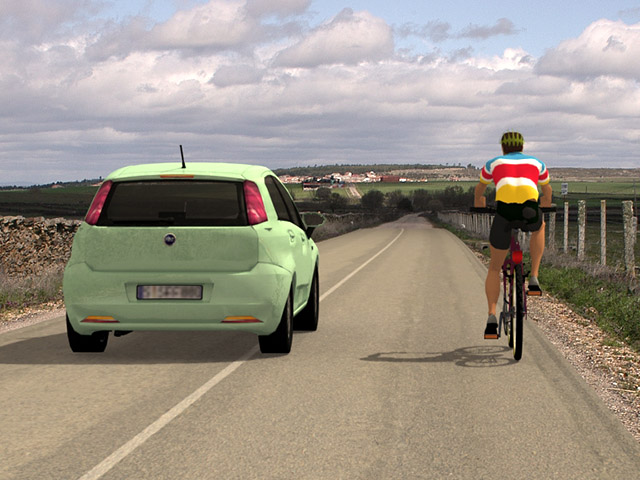
Cyclists must ride on the passable shoulder or, failing that, on the roadway.

Vulnerable users are pedestrians, cyclists, and drivers of two-wheeled and personal mobility vehicles.
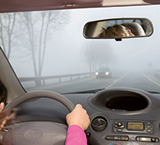
In fog, always reduce your speed even if it means going below the minimum.
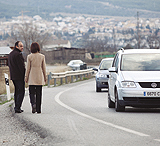
When passing pedestrians outside built-up areas, leave at least 1.5 metres of lateral separation.
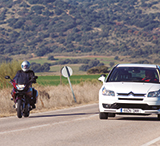
Even where overtaking is prohibited, you may pass cyclists by crossing into the opposite lane if it is safe.
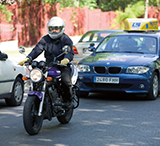
Keep your distance from motorcycles in the city, as they brake suddenly and are vulnerable to rear-end collisions.
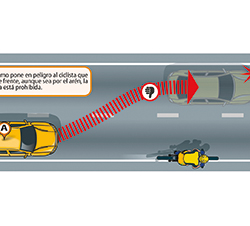
When overtaking cyclists you must leave at least 1.5 metres of lateral separation.
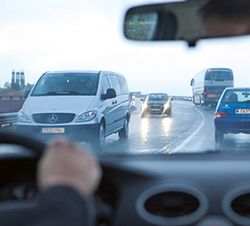
When overtaking vehicles that splash, take extra care due to loss of visibility.
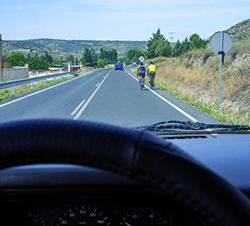
When overtaking cyclists, you may cross a solid line as long as you leave at least 1.5 metres of lateral separation.