Key Insights
838 insights
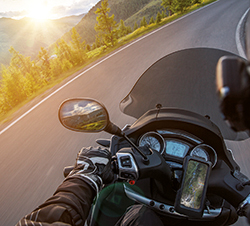
Driving style directly affects a motorcycle's fuel consumption.
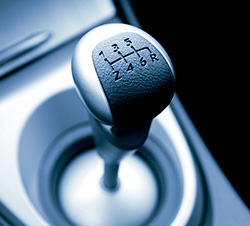
Avoiding unnecessary gear changes reduces fuel consumption.
Driving with a heavily loaded vehicle increases fuel consumption.
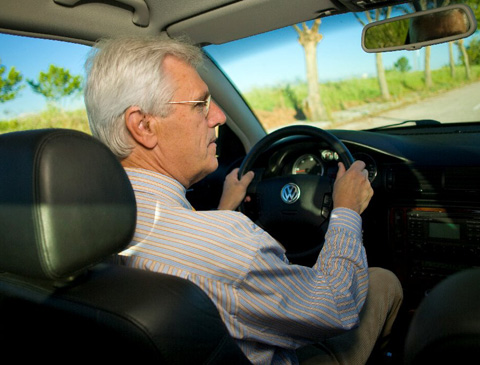
Efficient driving improves road safety as it aligns with defensive driving techniques.
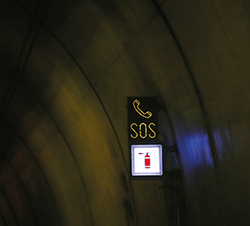
In a tunnel fire, move your vehicle to the right to make way for emergency services.
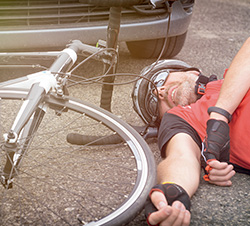
In collisions with cyclists, the most serious and fatal injuries are concentrated in the head.
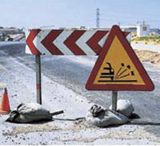
On gravel, increase the distance from the vehicle ahead to avoid impacts on your windshield.
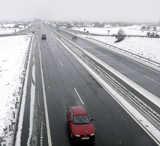
In snow, reduce your speed and handle the brakes and accelerator smoothly and progressively.
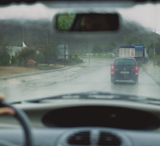
In torrential rain, park in a safe place and keep your position lights on.
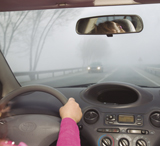
Motorcycles and mopeds are the vehicles most vulnerable to crosswinds.
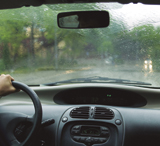
A layer of water reduces tire grip and can cause aquaplaning.
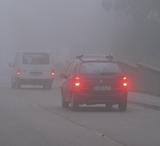
In fog, increase your safety distance to have more reaction time.
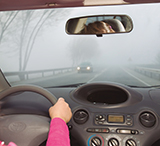
Crosswinds are most dangerous when finishing overtaking a large vehicle due to the shielding effect.
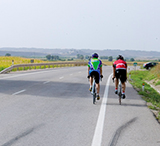
In rain or wind, cyclists easily lose stability; increase your safety distance.
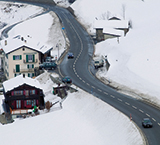
In adverse conditions, increase your separation to gain time and reaction space.
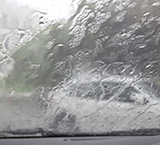
In heavy rain, reduce speed and increase distance because braking takes longer.
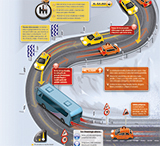
Descend mountain passes with ice patches using the lowest possible gear to avoid braking.
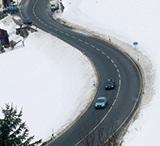
Driving in adverse weather conditions requires resting more frequently.
With ice on the road, drive very slowly to avoid having to brake.
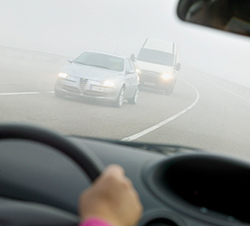
In fog, increase the safety distance from the vehicle ahead.
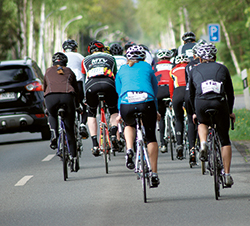
Endangering cyclists when overtaking costs 4 points on your license.
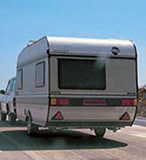
A car trailer is not required to carry its own spare wheel.
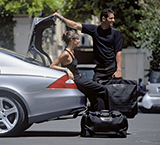
When getting out of the vehicle, turn off the engine and disconnect the starting or ignition system.
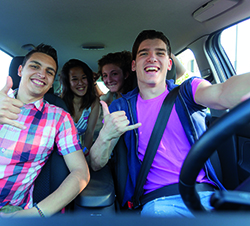
You can never exceed the authorized number of seats in the vehicle.
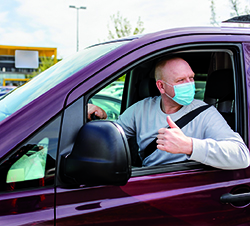
In the new normal, a mask is not required if the driver is travelling alone in their private vehicle.
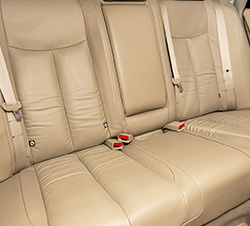
You can never exceed the number of seats authorized in the vehicle registration.
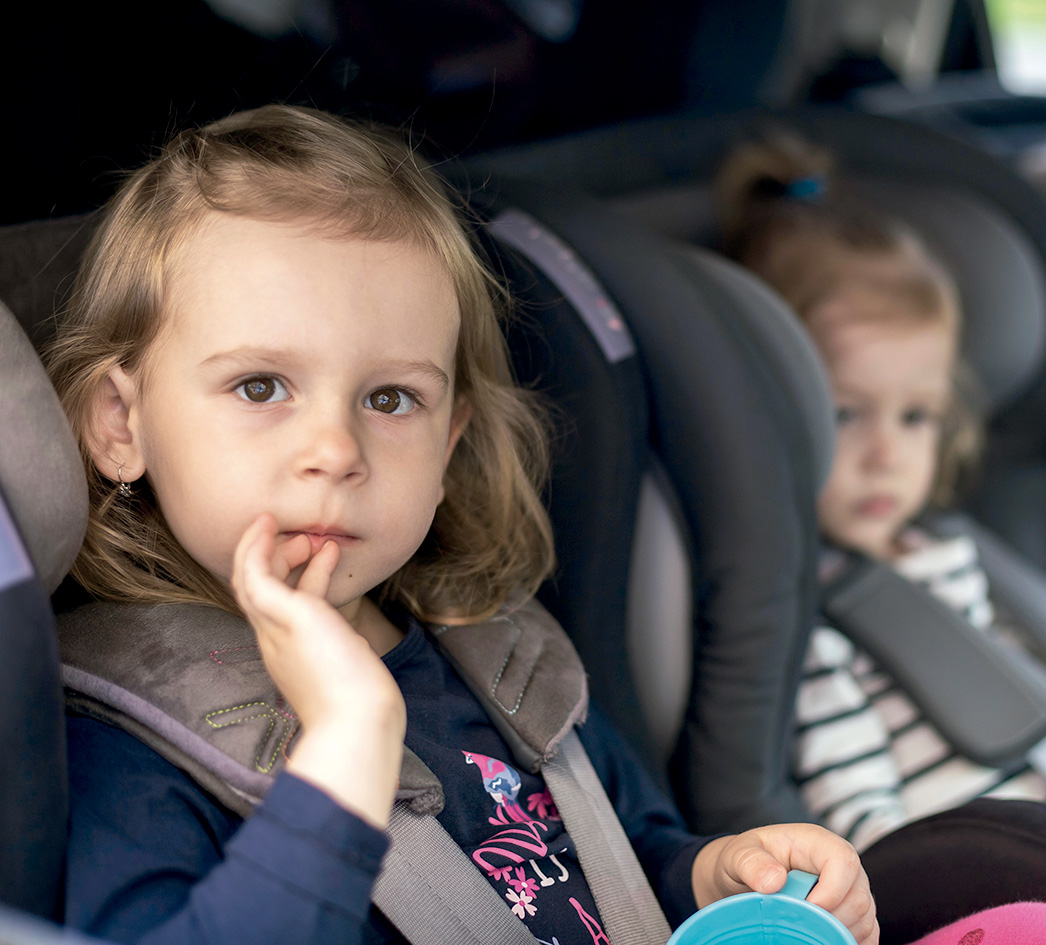
Minors occupy a seat just like adults; the authorized number can never be exceeded.
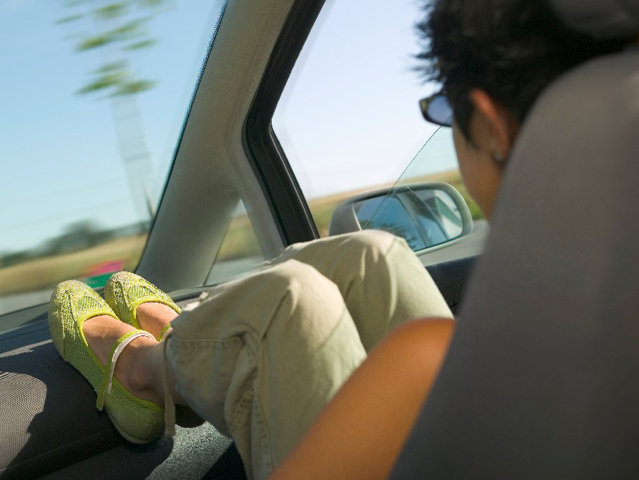
The driver is responsible for ensuring that all passengers maintain a proper position.
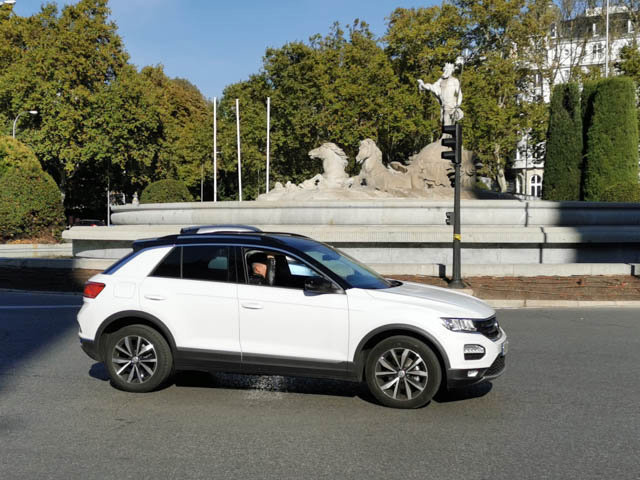
The driver must ensure that the license plates are always legible and free from obstructions.
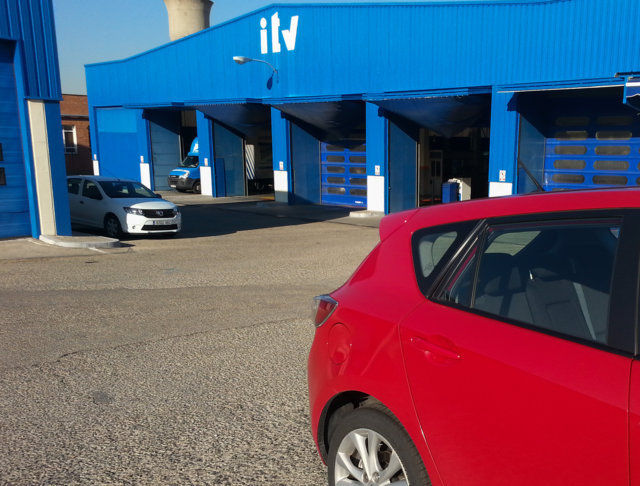
Any major modification to a vehicle requires a new technical inspection.
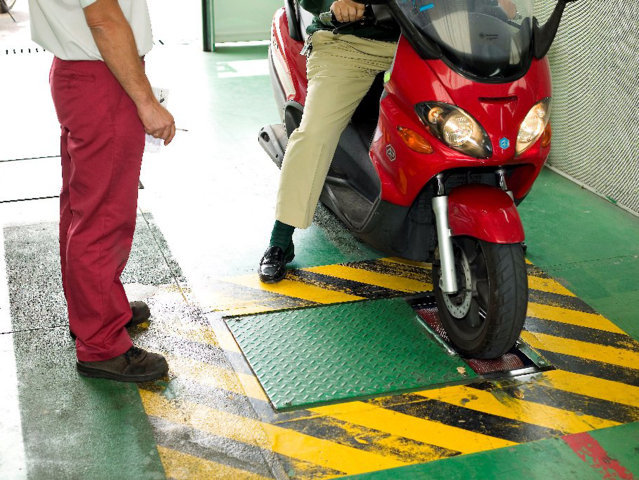
Motorcycles more than five years old must undergo the technical inspection every two years.
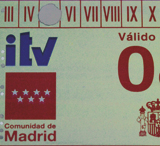
Private cars undergo their first technical inspection 4 years after registration.
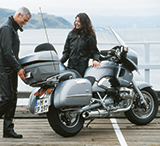
Motorcycles undergo technical inspection every 2 years once they are more than 4 years old.
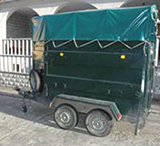
All trailers and semi-trailers must have their own technical inspection card.
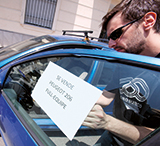
The sale of a vehicle must be reported to the Traffic Authority within 10 days.
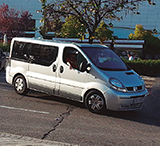
Private vans with up to 9 seats undergo their first technical inspection at 4 years, just like cars.
The B license authorizes driving two-, three-, and four-wheeled mopeds from the first day.
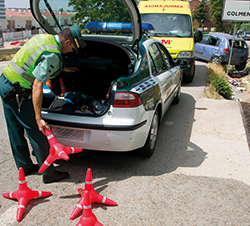
Mandatory insurance does not cover personal injuries to the driver responsible for the accident.
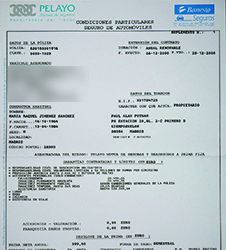
Driving without mandatory insurance leads to a fine and possible immobilization of the vehicle.
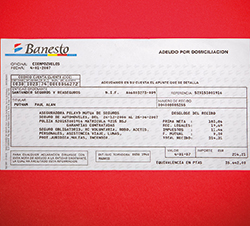
Mandatory insurance covers the personal injuries and material damages of the non-at-fault vehicle.
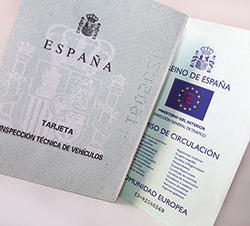
To drive, you need a driving license, the vehicle registration certificate, and the technical inspection card (ITV).
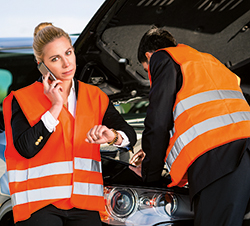
Carrying a reflective vest in the car is mandatory.
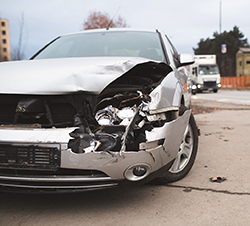
Compulsory insurance covers personal and material damages of the non-at-fault driver.
The vehicle owner must identify to the Administration the driver who committed an infraction.
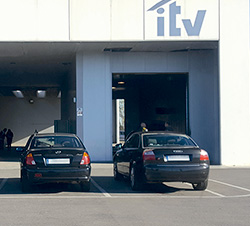
After the first ITV, cars must be inspected every 2 years until they are 10 years old.
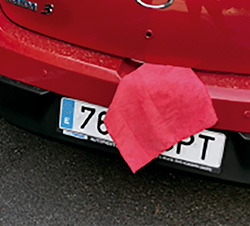
License plates must always be clean, visible, and perfectly legible.
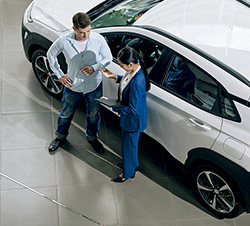
The first ITV of a new car is carried out 4 years after its registration.
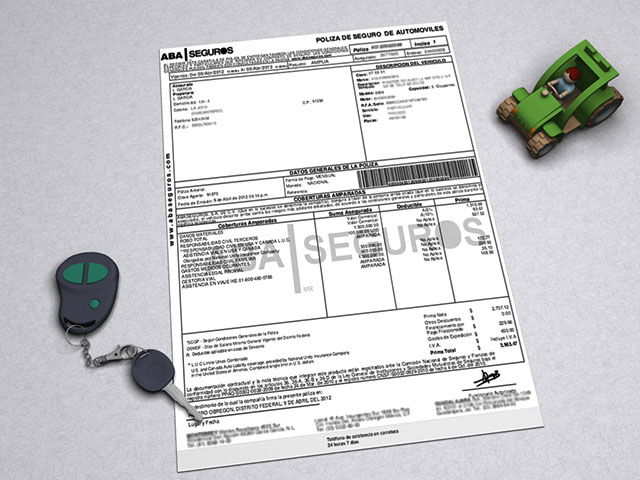
All motor vehicles and mopeds must have compulsory insurance in place.
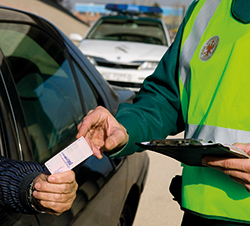
Adult passengers are responsible for wearing their own seat belt.
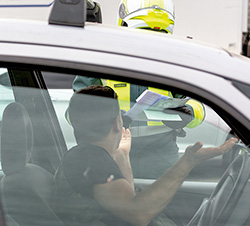
Refusing the breathalyzer test is a crime and allows the vehicle to be immobilized.