Under certain circumstances, can a car exceed the maximum speed set for the type of road on which it is traveling in order to overtake?
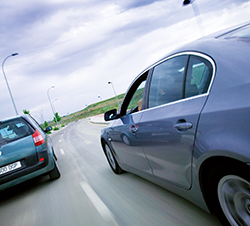
IMPORTANT LAW UPDATE: The old regulation allowing light vehicles to exceed the speed limit by 20 km/h while overtaking on conventional roads is completely abolished. Following the reform of the Spanish Traffic Law (Ley de Tráfico y Seguridad Vial), the rule is strict: the maximum speed limit can never be exceeded under any circumstances, not even for overtaking.
Current Regulatory Framework
Conventional Roads (Carreteras Convencionales): If the road's generic speed limit is 90 km/h, you are strictly prohibited from reaching 100 km/h or 110 km/h to complete an overtaking maneuver. Your maximum speed throughout the entire process must remain at or below 90 km/h.
Dual Carriageways & Motorways (Autovías y Autopistas): The exception never applied here, and the maximum established limits (generally 120 km/h must always be strictly respected.
The "The Limit is the Limit" Philosophy: The DGT eliminated this historical margin to align Spain with standard European traffic laws and to discourage high-risk overtaking maneuvers on two-lane roads. If you cannot safely overtake a vehicle while staying strictly within the speed limit, you are legally required to abort the maneuver and stay behind it.
Official Reference Document
You can verify the official text abolishing this margin directly in the Boletín Oficial del Estado (BOE): 🔗 BOE-A-2021-21006: Ley 18/2021, de 20 de diciembre