Key Insights
2818 insights
Peak blood alcohol level is reached 30 to 90 minutes after drinking.
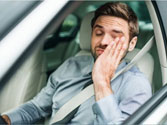
Combat fatigue by stopping to rest or taking a short walk.
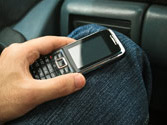
Mobile phone use, even hands-free, dangerously distracts the driver.
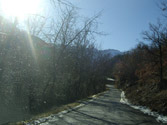
Plan departure times to avoid sun glare at sunrise or sunset.
Motorways pose the greatest risk of monotony due to lack of stimuli.
Smoking while driving reduces concentration and causes distractions.
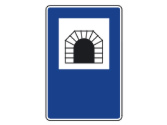
Overtaking is prohibited in tunnels with only one lane per direction.
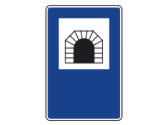
Overtaking in tunnels is allowed only if multiple lanes exist in your direction without invading the opposite side.
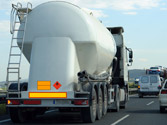
A rear rectangular plate signals a vehicle over 12 metres, requiring a longer overtaking manoeuvre.
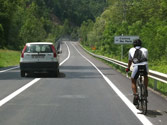
You may cross a solid line to overtake cyclists, leaving at least 1.5 metres lateral separation.
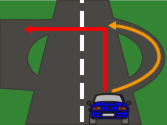
When a turning bay is provided, use it to make your left turn.
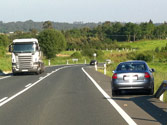
A vehicle immobilised by emergency may stop on a passable shoulder, but parking there is forbidden.
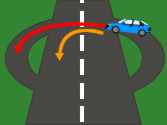
Either trajectory is valid for a U-turn unless a 'no left turn' sign forces using the loop.
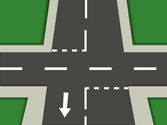
Overtaking at intersections is generally prohibited unless specific exceptions apply.
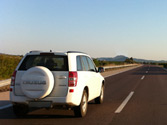
After overtaking outside built-up areas, return to the rightmost lane unless continuing to overtake.
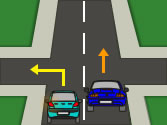
On two-way roads, position near the centre line to turn left; on one-way roads, hug the left edge.
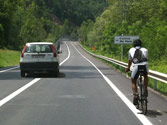
Overtaking cyclists requires at least 1.5 metres separation, fully changing lanes when more than one is available.
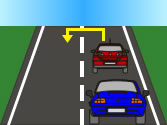
Never make a U-turn where it obstructs following traffic; find a safer location.
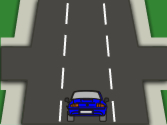
On a one-way road with three lanes, position in the leftmost lane to turn left.
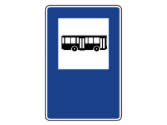
Stopping and parking are forbidden at urban public transport stops.
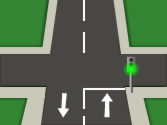
A green light at an intersection grants priority and permits overtaking there.
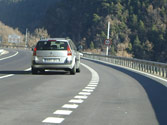
On speed-reserved lanes, overtaking must always be performed on the left.
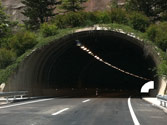
Tunnel overtaking is permitted only with multiple lanes in your direction without invading oncoming traffic.
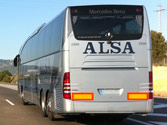
A rear rectangular plate indicates over 12 metres long, lengthening the overtaking manoeuvre.
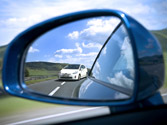
When being overtaken, keep right and maintain or reduce speed to facilitate the manoeuvre.
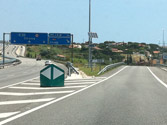
Move to the exit lane well in advance and enter the deceleration lane as soon as possible.
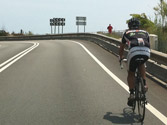
You may cross a solid line to overtake cyclists, fully changing lanes if more than one is available.
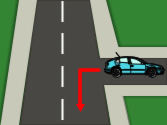
When merging into traffic in reverse, you cannot exceed 15 metres or invade an intersection.
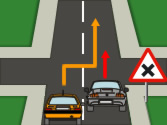
Overtaking near intersections is forbidden unless your road has explicit priority.
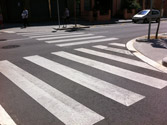
Overtaking on a pedestrian crossing is only allowed at speeds permitting an immediate safe stop.
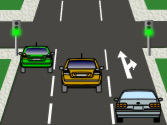
On three-lane one-way roads, move into the left lane before turning left.
Drivers must use optical signals to warn of stopping or significant slowing.
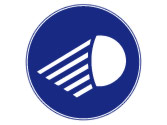
This sign mandates dipped headlights at minimum, regardless of visibility or road lighting conditions.
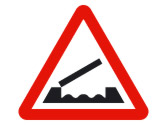
A movable bridge sign warns of a bridge that may raise or swing, interrupting traffic.
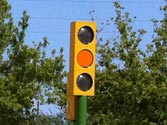
Steady yellow means stop, just like red, unless stopping safely is impossible.
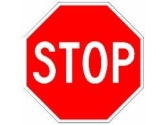
STOP signs always require a complete stop and yielding to crossing traffic.
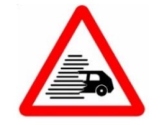
This triangular sign warns of reduced visibility without specifying its cause.
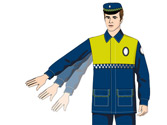
An officer's arm moving up and down orders you to reduce speed.
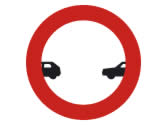
Always maintain enough separation to stop safely if the vehicle ahead brakes suddenly.
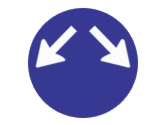
Arrows on a refuge sign indicate which side(s) vehicles must pass it on.
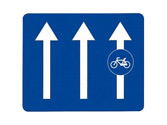
A lane marked with a cycle silhouette is reserved exclusively for cyclists.
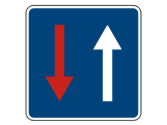
The 'priority over oncoming traffic' sign means you go first through the narrow passage.
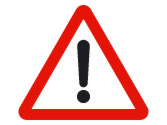
A triangle with an exclamation mark warns of an unspecified danger ahead.
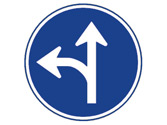
Arrows showing mandatory directions prohibit U-turns and any unlisted movements.
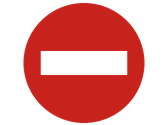
A 'no entry' sign forbids all vehicles from entering, though exit remains permitted.
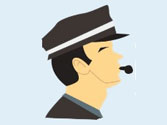
Short, frequent whistles from an officer mean stop; a long whistle means resume.
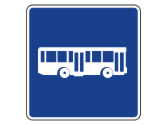
The bus lane sign reserves the lane for buses, with limited use allowed for others.
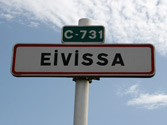
The built-up area sign marks entry into urban roads with their corresponding rules.
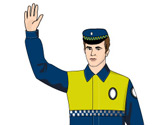
An officer with arm raised orders all approaching road users to stop.
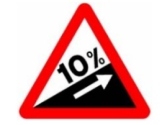
An uphill gradient sign warns heavy vehicles will likely slow down considerably.