Key Insights
2818 insights
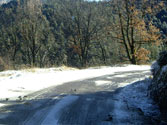
Use chains or studded tires to improve grip on icy roads.
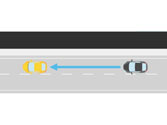
Stopping distance must be less than the distance to the obstacle.
Turn off the engine during prolonged stops to save fuel.
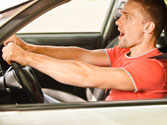
Aggressive driving increases fuel consumption; drive smoothly instead.
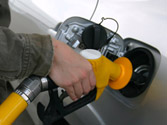
Drive smoothly without sudden braking or acceleration to save fuel.
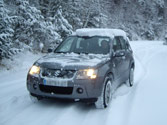
Use the longest gear and accelerate smoothly if stuck on ice.
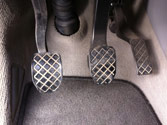
Pump the brake pedal in case of brake failure to regain control.
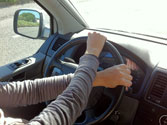
Never cross your hands on the steering wheel when turning.
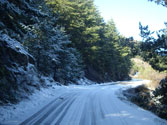
Climb snowy slopes smoothly and maintain a steady speed.
Engine braking reduces fuel consumption and extends brake life.
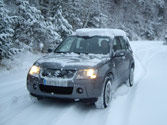
Use a high gear to start on snow to prevent wheel skidding.
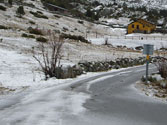
Braking distance on ice can increase up to 10 times.
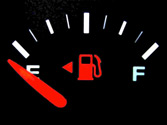
Switch off the engine during prolonged stops to conserve fuel.
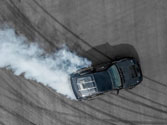
Stop braking immediately if your vehicle skids to regain control.
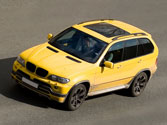
Turn the steering wheel toward the direction of a rear skid.
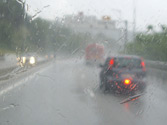
Aquaplaning occurs when driving at high speeds in rain.
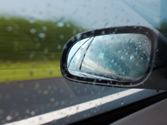
Roads are most slippery when it starts to rain after dry spells.
Press the brake and clutch pedals simultaneously in an ABS emergency.
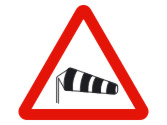
Gusty crosswinds are the most dangerous for vehicle stability.
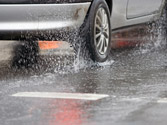
Wet brakes increase braking distance; test brakes after wet conditions.
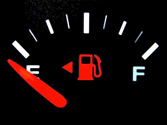
Driving style significantly influences fuel consumption; drive smoothly.
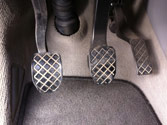
Continue pressing the brake if ABS activates and pedal vibrates.
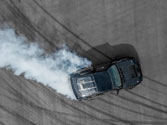
Never brake during a skid; maintain control by steering.
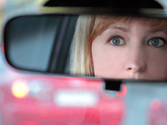
Check the rear-view mirror frequently but briefly while driving.
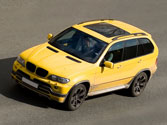
Turn the steering wheel towards the skid if the vehicle skids.
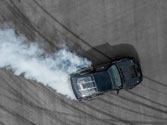
Do not brake when skidding to regain traction.
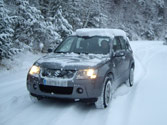
Use the highest gear possible to start on ice or snow.
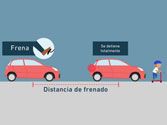
Braking distance on ice can be up to 10 times greater.
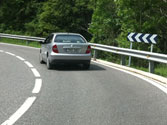
Brake before entering a curve and accelerate smoothly out.
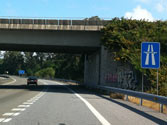
Accelerate to the appropriate speed by the end of the acceleration lane.
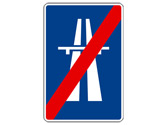
Readjust speed when leaving motorways to match conventional roads.
Lean in curves only when riding 2-wheeled vehicles.
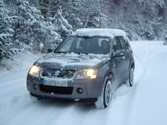
Use the highest gear and accelerate gently to get unstuck in snow.
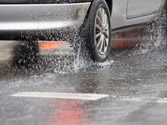
Rain is most dangerous when it first begins to fall.
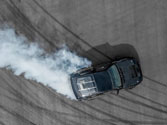
Abrupt braking is the most common cause of skidding.
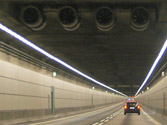
If stopped in a tunnel due to traffic, stay inside, turn off engine, keep position and hazard lights on.
In tunnels, keep at least 100 metres (or 4 seconds) from the vehicle ahead; 150 metres for vehicles over 3,500 kg.
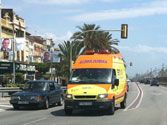
Always yield to emergency vehicles on call, adapting your manoeuvre to the circumstances of the moment.
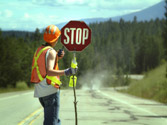
Roadworks personnel signals must be obeyed just like those of traffic officers.
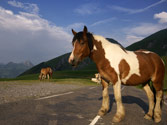
Animals only have right of way on signposted livestock routes; otherwise slow down and stop if needed.
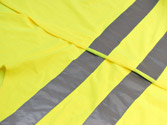
Pedestrians need reflective vests on interurban roads only at night or in low-visibility conditions.
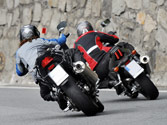
Competitions on public roads require authorisation and run between a red-flag lead vehicle and a green-flag closing vehicle.
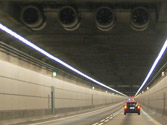
Immobilised in an underpass: stay inside, engine off, hazard lights on, position lights on.
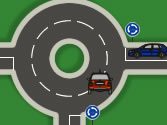
Pedestrians must walk around roundabouts and squares, never cross them via the roadway.
Novice (first 2 years) and professional drivers' alcohol limit is 0.15 mg/l in exhaled air.
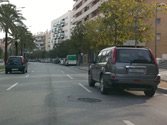
In built-up areas with marked lanes, choose the lane best suited to your destination—left lane for left turns.
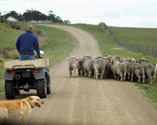
Flocks of animals must travel on the right-hand shoulder when no livestock route is available.
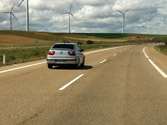
On motorways, always drive in the rightmost lane unless overtaking or traffic conditions require otherwise.
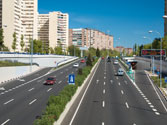
Motorways and dual carriageways within built-up areas have a maximum speed of 80 km/h.
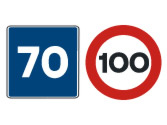
Recommended speed signs are advisory; the legal maximum remains the road's general limit.