Key Insights
2818 insights
Tyre condition directly impacts braking effectiveness.
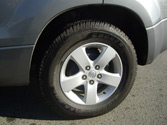
Low tyre pressure increases fuel consumption.
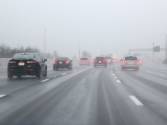
Wet conditions may cause temporary brake effectiveness loss.
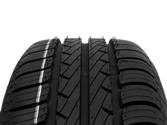
Replace winter tyres when temperatures rise to prevent faster wear.
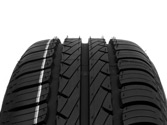
Ensure tyre tread depth is always above 1.6 mm for safety.
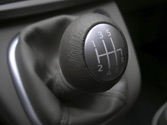
Avoid unnecessary gear changes to save fuel.
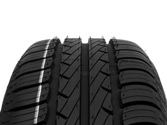
Minimum tread depth for safe driving is 1.6 millimeters.
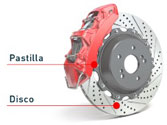
Regularly check brake pad wear for safe braking performance.
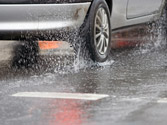
Wet brakes may temporarily lose effectiveness; dry them by pulsing the pedal.
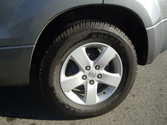
Replace brake pads at the first sign of wear to avoid damage.
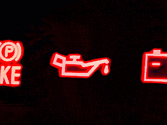
The oil pressure indicator should be off for correct lubrication.
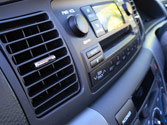
A dirty air filter increases emissions and decreases engine performance.
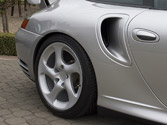
Poor shock absorbers increase braking distance dangerously.
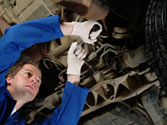
Driving with a dirty air filter increases vehicle pollution.
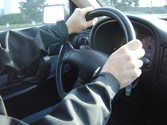
Periodically check power steering fluid levels for proper maintenance.
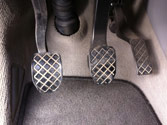
Squeaking brakes indicate worn pads that need replacement.
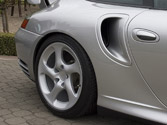
Poor shock absorbers increase braking distance and reduce safety.
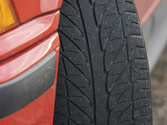
Centre tread wear indicates excessive tyre pressure.
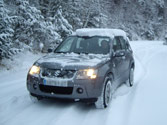
Install snow chains on the drive wheels for better traction.
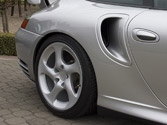
Shock absorbers in poor condition increase braking distance.
Faulty shock absorbers lead to longer stopping distances.
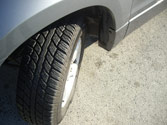
Side tread wear indicates low tyre pressure.
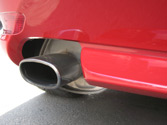
Avoid driving if your vehicle emits black smoke due to pollution.
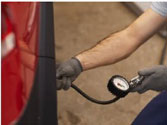
Tyre pressure should always match the manufacturer's recommendation.
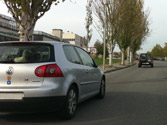
In front-wheel drive vehicles, the front wheels receive engine power.
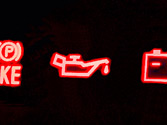
The oil pressure indicator should be off for correct lubrication.
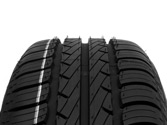
Central tread wear is caused by higher than recommended tyre pressure.
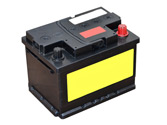
Keep battery terminals clean and well tightened for proper maintenance.
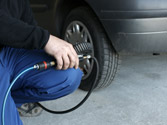
Periodically check tyre pressure when tyres are cold.
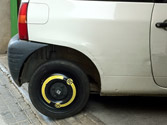
Drive cautiously with a temporary spare wheel, respecting speed limits.
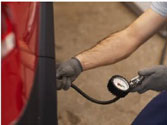
Check tyre pressure after driving a short distance to ensure accuracy.
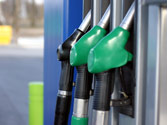
Do not use lower octane gasoline than recommended by the manufacturer.
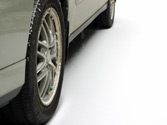
Squeaking brakes indicate worn brake pads needing replacement.
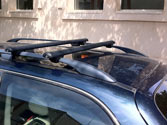
A roof rack increases fuel consumption due to reduced aerodynamics.
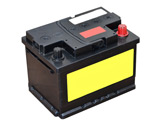
Check battery liquid levels and terminals for maintenance.
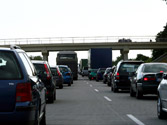
Maintain a distance of two to three metres in traffic jams to prevent collisions.
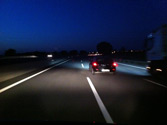
Drowsiness increases at night; ensure adequate rest before driving.
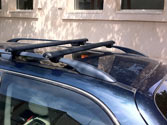
Remove the roof rack when not in use to save fuel.
Keep windows closed to improve fuel efficiency.
Use dashboard air vents for ventilation to save fuel.
Reduce speed using brakes or engine braking to control vehicle speed.
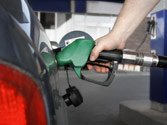
Adapt gears to driving conditions for optimal fuel efficiency.
In emergency braking with ABS, keep braking hard despite pedal vibrations.
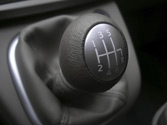
First and second gears provide more power for vehicle movement.
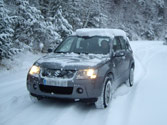
Brake and accelerate gently when driving in snow to avoid skidding.
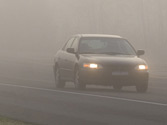
Fog reduces visibility and grip; drive cautiously and increase safety distance.
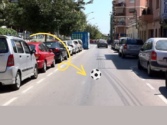
The distance from stimulus perception to response is called reaction distance.
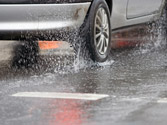
Rain decreases tire grip; reduce speed and increase safety distance.
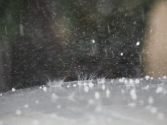
In bad weather, reduce speed and increase safety distance to avoid skidding.
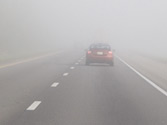
Drive smoothly and increase safety distance on slippery roads.