Key Insights
2818 insights
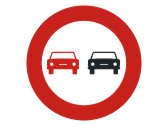
Even where overtaking is banned, you may pass cyclists by crossing into the oncoming lane.
When joining traffic, reversing is limited to a maximum of 15 metres.
Reversing to park must never encroach on a road junction.
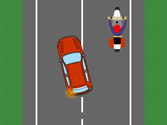
Crossing a continuous line entirely into the oncoming lane to overtake is prohibited.
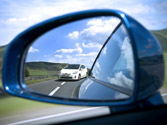
A vehicle that has begun moving left to overtake has priority over you.
Overtake on the right with care when the vehicle ahead clearly signals a left turn.
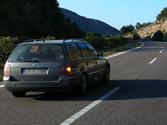
After overtaking, return to the right lane unless you're about to overtake again.
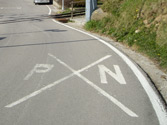
At level crossings, always reduce speed below the maximum permitted limit.
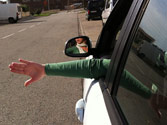
Always signal your intention to perform any manoeuvre, with sufficient advance notice.
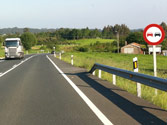
U-turns are forbidden where overtaking is prohibited unless expressly authorised.
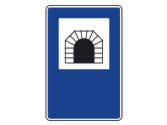
Making a U-turn inside a tunnel is always prohibited.
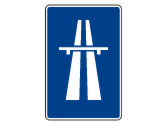
Use the motorway hard shoulder when an emergency forces you to drive abnormally slowly.
The driver who has already begun signalling and overtaking has priority.
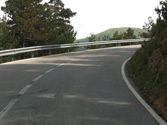
Stopping or parking on bends with reduced visibility is prohibited.
Turn signals must be used to indicate maneuvers both day and night.
All motor vehicles, including mopeds, require compulsory third-party liability insurance.
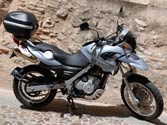
On motorcycles, the gear change pedal is operated with the left foot.
When interior mirror visibility is reduced, two exterior mirrors (one each side) are mandatory.
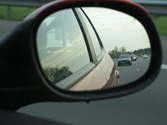
Adjust mirrors before setting off, with the vehicle stationary on flat, straight ground.
The horn may be used on any road exceptionally to prevent a possible accident.
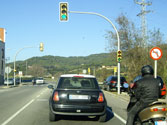
Never use the horn to hurry another driver; it's only for accident prevention.
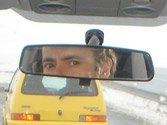
Check mirrors regularly while driving, not only before maneuvers.
Always carry the ITV card and vehicle registration document along with your licence.
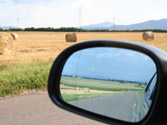
To check blind spots, briefly turn your head and glance through the side windows.
Novice drivers must display the L plate visibly on the rear left during the first year.
Compulsory insurance is required for motor vehicles, mopeds, motorcycles, and trailers/semi-trailers.
The registered owner is responsible for keeping the vehicle's technical inspections up to date.
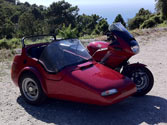
An A1 licence allows riding motorcycles with a sidecar up to 125 cc.

After one year holding any licence, you are no longer a novice and need no L plate.
After an unfavourable ITV, the vehicle may only be driven to the workshop and back.

A new driver starts with 8 points, reaching 12 after two infraction-free years.
In built-up areas, the horn is allowed to prevent accidents or signal emergency services.
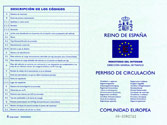
The vehicle registration document is mandatory for trailers and semi-trailers exceeding 750 kg MAM.
A B licence holder with 3+ years' seniority may ride A1 motorcycles within national territory.
A passenger car's first ITV is 4 years after first registration.
After the first ITV, passenger cars must be inspected every 2 years until age 10.
All trailers and semi-trailers must have a technical inspection card (ITV).
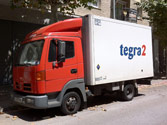
A class B licence permits driving vehicles up to 3,500 kg MAM and 9 seats.
Compulsory insurance covers personal injury and material damage caused to others.
Motorcycles undergo their first ITV at 4 years from registration, then every 2 years.
A class B licence also authorises driving 2, 3, and 4-wheeled mopeds.
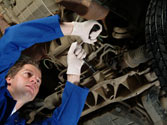
Significant vehicle modifications require an extraordinary ITV before returning to circulation.
Changes in your physical condition affecting driving must be reported to Traffic Authorities.
An expired driving licence does not authorise driving under any circumstances.
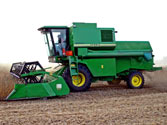
Special agricultural vehicles exceeding 45 km/h require a class B driving licence.
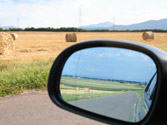
Rear-view mirrors let you observe everything happening around the vehicle while driving.
The blind spot is the area around the vehicle that mirrors cannot show.
Significant technical modifications require a mandatory extraordinary ITV inspection.
Vehicle age for ITV purposes is counted from the date of first registration.
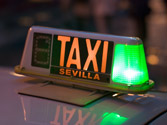
A category B licence allows driving a taxi, but a credential is needed for service.