Chapter 4 Insights
Road safety · 606 insights
Alcohol increases sensitivity to glare and narrows your visual field, creating a tunnel effect.
Start-Stop systems shut off the engine when idling and restart it when the clutch is pressed.
Periodically check tyres, shock absorbers and brakes to keep your vehicle safe.
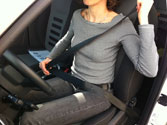
Goods delivery drivers may skip the seatbelt only on urban roads between very close stops.
A loose seatbelt loses effectiveness and can itself cause injury in a crash.
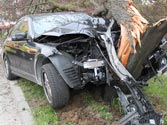
Drowsiness can strike day or night, especially 3–5 a.m. and 2–4 p.m.
Loss of productive capacity is a human cost of traffic accidents.
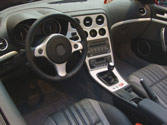
AEBS first warns the driver, then brakes automatically if there's no response.
Avoid driving during the acute or crisis phase of any illness.
Automatic lights activate when sensors detect reduced ambient visibility.
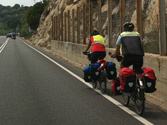
Cyclists may remove helmets only on long climbs, in extreme heat, or for medical reasons.
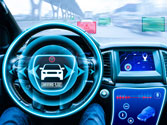
ADAS can be disabled permanently or temporarily, but the driver remains fully responsible.
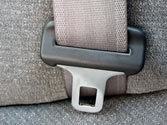
Seatbelt clips are prohibited because they reduce the belt's protective effectiveness.
Avoid driving in the early morning hours when drowsiness peaks.
Familiar roads encourage relaxed attention and increase the risk of distraction.
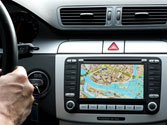
When in doubt, the driver's judgment always overrides GPS navigator instructions.
Pedestrians involved in a traffic accident must undergo a breathalyser test.
Driving with headphones or earphones connected to any device is prohibited.
Always consult a doctor or pharmacist about a medication's effects on driving.
Poor seat or interior ergonomics can promote driver fatigue.
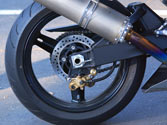
Motorcycle tyres must be free of cuts, abrasions, deformations, and foreign objects.
No safety system can replace the seatbelt — it's irreplaceable.
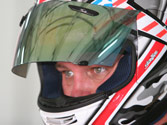
Light-coloured helmets are safer because they make riders more visible.
Anxiolytics can cause drowsiness lasting hours after intake.
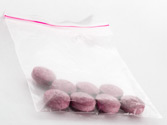
Driving after consuming amphetamines or any mind-altering substance is prohibited.
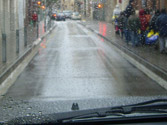
After driving through water, gently tap the brakes to dry and check them.
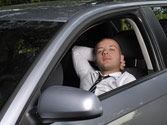
Rest 20–30 minutes every 2 hours or 200 km of driving.
Most distractions stem from the driver's own condition and behaviour.
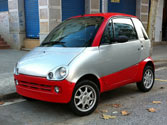
Quadricycle drivers must wear seatbelts on both urban and interurban roads.
Speed, fatigue and alcohol are key risk factors directly affecting the driver.
Passive safety systems reduce damage once an accident has occurred.
Drugs always slow reaction time — they never improve it.
Eating or drinking only delays alcohol absorption; nothing lowers blood alcohol level.
Fatigue can blur vision and reduce sensory perception while driving.
Defensive driving — based on vision, anticipation and space — gives time to avoid hazards.
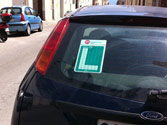
Novice drivers must not exceed 0.15 mg/L of alcohol in exhaled air.
Inexperience is a major cause of accidents among young drivers.
Vision, hearing and medication issues can impair elderly drivers' driving ability.
Advanced age can promote distraction unless proper precautions are taken.
All drivers must submit to breathalyser tests at preventive checkpoints.
Amphetamines make drivers impatient, impulsive and aggressive.
Alcohol increases reaction time and therefore lengthens the stopping distance.
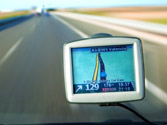
Place the GPS where it doesn't block your view or airbag deployment.
The seatbelt is always mandatory, even with airbags — they complement each other.
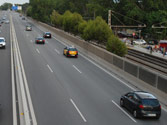
Keep enough distance to stop safely if the vehicle ahead brakes suddenly.
Children taller than 1.35 m may use the adult seatbelt in any seat.
Signalling a lane change does not give priority over vehicles in that lane.
Mobile phones may be used while driving only with hands-free, no-earphone devices.
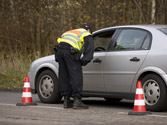
Drivers must submit to breathalyser tests when required by officers.
Medication effects vary depending on individual physical conditions and circumstances.