Key Insights
2818 insights
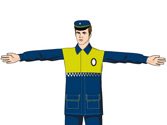
An officer's stop signal remains in force until they change position or make another signal.
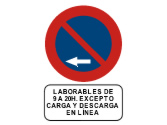
Loading/unloading zone signs prohibit parking during stated hours but allow brief stops.
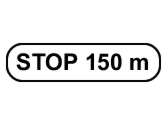
A distance panel under a give-way sign shows how far it is to the upcoming stop sign.
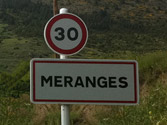
A prohibition sign next to a town's name applies throughout the town unless other signs modify it.
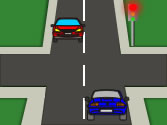
Traffic lights must be obeyed even if positioned on the far side of the intersection.
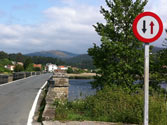
The narrow-passage priority sign requires you to give way if oncoming vehicles would otherwise be forced to stop.
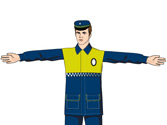
An officer's stop signal stays valid until the officer changes position or makes a different signal.
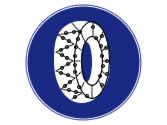
This sign mandates snow chains or authorised devices on the drive axle when there is snowfall.
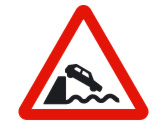
This danger sign warns the road ends at a quay or body of water.
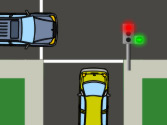
A green arrow allows you to proceed but requires you to give way to vehicles in the lane you join.
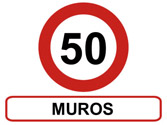
A speed limit beside a town name applies throughout the town unless other signs override it.
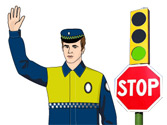
An officer's signal always overrides traffic lights and any other sign.
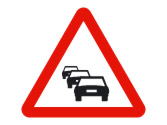
This sign warns of traffic congestion ahead, requiring caution and reduced speed.
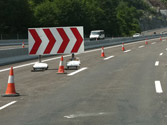
Cones form a line you may not cross; red-striped temporary panels prohibit passage and indicate traffic direction.
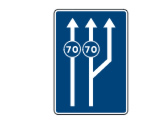
Minimum speed signs allow higher speeds, but you must still keep to the right whenever possible.
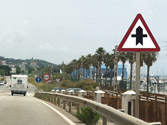
A 'dangerous intersection with priority' warning means others must yield to you, not the other way around.
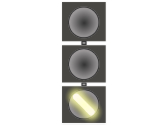
Traffic lights with white stripes on a black background apply only to trams and scheduled buses.
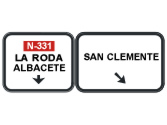
Immediate-exit direction signs use white for conventional roads and blue for motorways or dual carriageways.
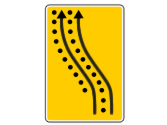
Yellow-background roadwork signs indicate the diversion of lanes onto the opposite carriageway.
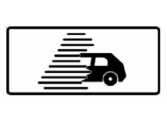
A fog supplementary panel means the sign above only applies in foggy conditions.
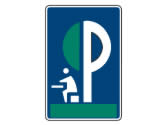
This sign indicates the presence of a rest area along the road.
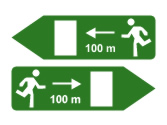
In tunnels, this sign shows the direction and distance to the nearest emergency exit.
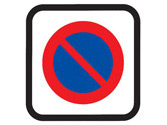
Limited parking zone signs require displaying the start time of parking, with possible time or fee restrictions.
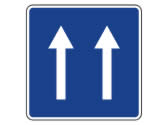
The number of arrows on a one-way sign tells you how many lanes the road has.
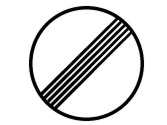
This sign cancels all prohibitions previously imposed on moving vehicles by earlier signs.
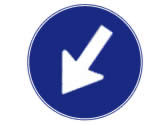
Mandatory passage signs require passing the refuge or island on the side the arrow indicates.
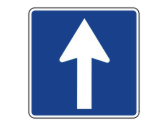
A rectangular one-way sign forbids driving in the opposite direction but allows changing direction.
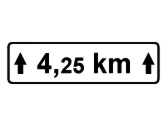
A panel with two lateral arrows indicates the length over which a hazard or regulation extends.
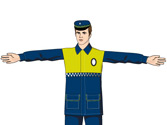
An officer with arms extended horizontally stops vehicles crossing the line of the arms, including front and rear approaches.
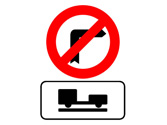
A panel showing specific vehicles below a sign means the sign applies only to those vehicles.
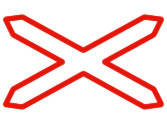
This sign warns of an unguarded level crossing ahead, requiring extreme caution and reduced speed.
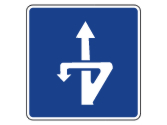
This sign warns of an upcoming exit allowing a grade-separated change of direction.
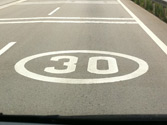
A maximum speed limit ends at end-of-limit, end-of-prohibitions, or another speed sign.
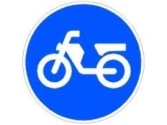
A road reserved for mopeds prohibits all other vehicles, including motorcycles.
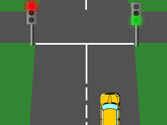
When right and left signals differ, going straight or left requires obeying the left signal.
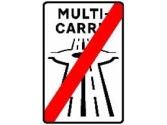
This sign marks the end of a multi-lane road and its associated special traffic rules.
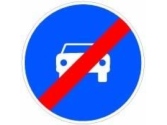
Sign R-507 marks the end of a carriageway mandatory for motor vehicles except two-wheeled motorcycles.
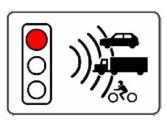
This sign warns of a red-light enforcement camera, possibly with additional information sub-panels.
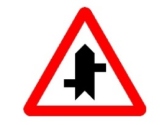
At sections with direct accesses, you have right of way; users entering from those accesses must yield.
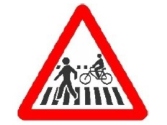
Approaching a combined pedestrian and cyclist crossing requires reduced speed and extra caution.
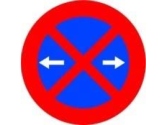
No stopping or parking signs apply along the entire stretch between the nearest intersections or signs.
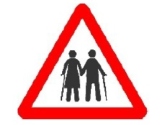
Signs warning of people with motor or sensory difficulties demand reduced speed and heightened awareness.
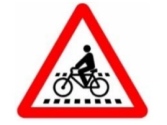
The cyclist crossing danger sign warns of nearby crossings where cyclists have priority.
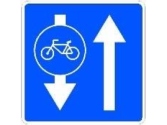
A contraflow lane marked with a bicycle sign is exclusively for bicycles.
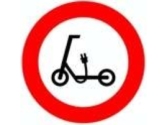
The PMV prohibition sign blocks electric scooters but does not affect bicycles or mopeds.
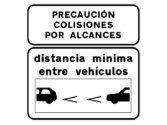
Chevron markings indicate the minimum number of symbols you must keep between your vehicle and the one ahead.
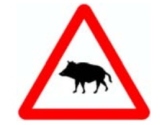
Wild animal warning signs alert to free-roaming wildlife, especially wild boar, crossing the road.
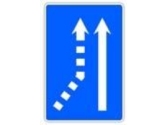
A merging-lane sign warns that another lane joins from the side, requiring attention and speed adjustment.
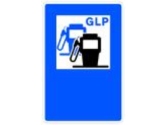
The LPG service station sign indicates fuel availability including autogas for LPG-powered vehicles.
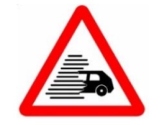
Reduced visibility signs warn of fog, rain, snow or smoke, requiring lower speed and greater caution.