Key Insights
2818 insights
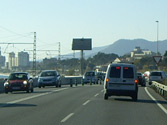
Efficient driving aims to cut fuel use, accident risk, and increase comfort.
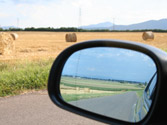
Check mirrors every 5–10 seconds in urban areas and on busy roads.
Shift up to a higher gear as soon as possible to save fuel.

Open windows raise aerodynamic drag, increasing fuel consumption.

Decelerate by braking smoothly and progressively, skipping gears when downshifting.

With diesel engines, wait a few seconds after starting to ensure proper lubrication.
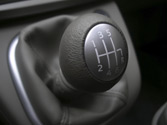
Shift gears in diesel engines between 1,500 and 2,000 rpm.
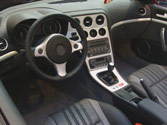
With petrol engines, set off immediately after starting to avoid idling fuel waste.
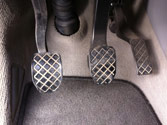
Revving while starting wastes fuel; modern engines don't need it.
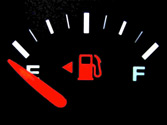
Smooth driving without sudden acceleration or braking saves fuel.
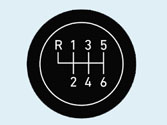
Use first gear only to set off, then shift up as soon as possible.
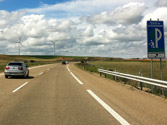
Greater safety distance means smoother reactions and lower fuel consumption.
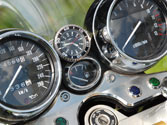
Drive in high gears at low revs for maximum fuel efficiency.

Avoid overloading the vehicle since extra mass increases fuel consumption.
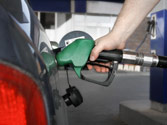
Maintain a steady speed and avoid unnecessary braking or acceleration to save fuel.
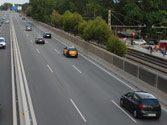
Efficient driving saves energy, lowers costs and noise, cuts accidents, and adds comfort.
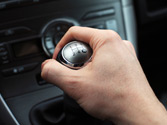
Shift gears in petrol engines between 2,000 and 2,500 rpm.
Sustained high speed narrows your field of vision and accelerates fatigue and aggression.
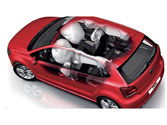
Airbags prevent occupants from striking the vehicle's interior during a crash.
The general blood alcohol limit is 0.5 g/l in blood (0.25 mg/l in air).
Alcohol slows reactions, increasing the time needed to respond to hazards.
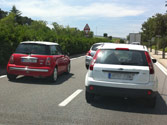
Heavy traffic demands more concentration, bringing on fatigue sooner.
Drowsiness lengthens reaction time, so stop and rest before driving on.
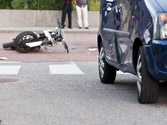
Not wearing a helmet is a leading cause of death in motorcycle accidents.
Monotonous driving conditions are the main trigger for drowsiness behind the wheel.
Road accidents have economic consequences that affect every citizen, directly or indirectly.
Always keep enough distance to stop safely behind the vehicle ahead, regardless of vehicle weight.
Whiplash causes neck pain, headaches, dizziness and reduced cervical mobility.
Drivers reduce road-factor risks by adapting driving to the environment and conditions.
Novice drivers (first 2 years) are limited to 0.3 g/l in blood or 0.15 mg/l in air.
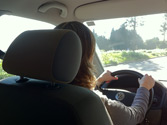
A properly adjusted headrest reduces cervical injuries, especially in rear-end collisions.
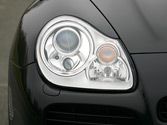
Lighting is an active safety system because it helps prevent accidents.
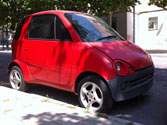
In quadricycles fitted with seat belts, both driver and passengers must wear them.
Some motorcycles include airbags and stability systems to enhance rider safety.
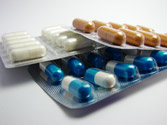
Medication effects vary with age, habits and physical condition; consult a professional.
At the first signs of sleepiness, stop and rest in a safe place immediately.
Even below the legal alcohol limit, you can still cause an accident; only 0.0 is safe.
Stress, worry and long driving times are major causes of driver fatigue.
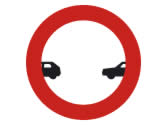
The minimum separation sign reminds drivers to maintain a safe distance from the vehicle ahead.
Rain reduces both tyre grip and visibility, so drive with extra caution.
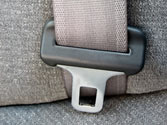
Rear seat belts protect their wearer and prevent them from injuring front occupants.
Depression impairs decision-making, increasing accident risk while driving.
Novice drivers' maximum blood alcohol level is 0.30 g/l for the first two years.
A loaded vehicle has more kinetic energy, so its braking distance is longer.
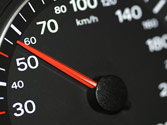
ISA detects speed limit signs and warns the driver or adjusts vehicle speed automatically.
Reaction distance is the distance travelled between perceiving a stimulus and responding.
The driver's own state and behaviour are the main source of distractions.
Novice drivers' limit is 0.15 mg/l in exhaled air during their first two years.
Stop to rest 20–30 minutes every 2 hours or 200 kilometres of driving.
Novice drivers face a stricter alcohol limit because they lack driving experience.