Chapter 6 Insights
Speed · 169 insights
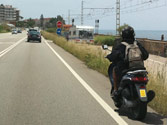
Mopeds are limited by design to a maximum speed of 45 km/h.

Drive at moderate speed and stop if needed when vulnerable pedestrians are present.
Passenger cars can travel up to 120 km/h on motorways and dual carriageways.

Avoid using interior lights at night, as they reduce outside visibility.
Excessive speed reduces your ability to anticipate hazards and react in time.
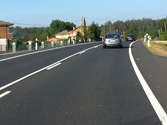
Passenger cars may never exceed the generic maximum speed, even to overtake.
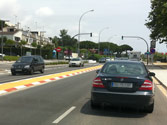
Safety distance must account for speed, visibility, and road grip conditions.
Stopping distance depends on speed, reaction time, and braking time.
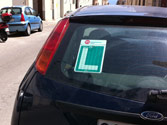
Novice drivers have no special speed restrictions; the standard 120 km/h applies on motorways.
Higher speed shrinks the visual field and accelerates the onset of fatigue.
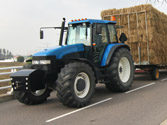
Special vehicles towing a trailer cannot exceed 25 km/h.
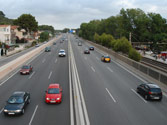
On motorways, drive within 120 km/h and adapt speed to current traffic conditions.
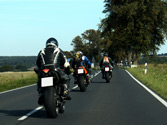
Motorcyclists may never exceed the generic maximum speed on conventional roads.
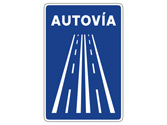
Cars, motorcycles, light motorhomes, and pick-ups have a 120 km/h generic limit on dual carriageways.

Insufficient following distance risks rear-end collision if the vehicle ahead brakes.
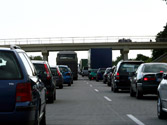
In congested traffic, lane changes are not allowed for overtaking.
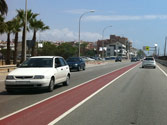
Through roads (travesías) have a default 50 km/h speed limit without signage.

Passenger-car-derived vehicles have a 90 km/h maximum on conventional roads.
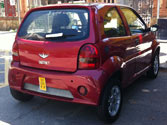
Light quadricycles, being four-wheeled mopeds, are limited to 45 km/h.
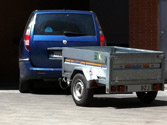
Urban roads with two lanes per direction have a 50 km/h limit, even with a trailer.
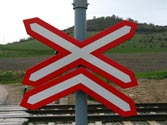
Approach level crossings and movable bridges with extreme caution and moderate speed.
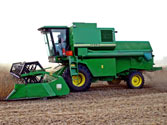
Special vehicles without brake signalling are limited to 25 km/h.
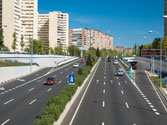
On urban motorways without signage, the maximum speed is 80 km/h.
Speed within legal limits can still cause accidents if not adapted to conditions.
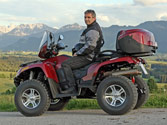
Heavy quadricycles have a maximum speed of 70 km/h on conventional roads.
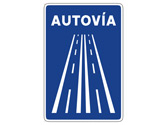
Motorcycles up to 125 cm³ may travel up to 120 km/h on dual carriageways.
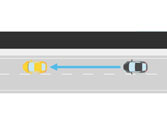
The duty to leave room for overtaking does not apply where overtaking is prohibited.
A car towing any trailer cannot exceed 90 km/h on motorways or dual carriageways.

Reduce speed where buildings have direct access to the carriageway.
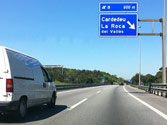
The generic maximum speed cannot be exceeded for overtaking on any road.
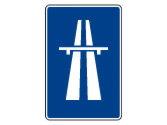
Thick fog justifies driving below the minimum speed to match your reduced visibility.
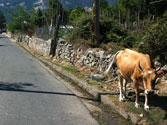
Reduce speed and stop if necessary when animals may enter the carriageway.
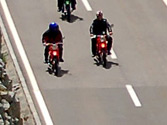
Motorcycles must keep a lateral distance proportional to speed and road conditions in town.
Adapting speed to traffic, road, vehicle, and driver conditions is appropriate speed.

Approach movable bridges with extra care and reduce speed below the maximum.
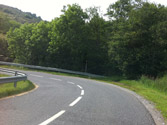
Excessive speed in a curve causes centrifugal force to push the vehicle outward.
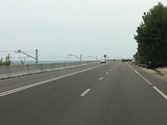
On conventional roads, cars cannot exceed 90 km/h, not even to overtake.
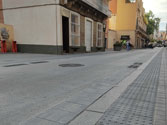
Roads with a single shared platform for carriageway and pavement are limited to 20 km/h.
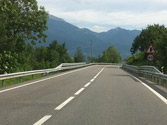
Since March 2022, no vehicle may exceed speed limits to overtake.
Inappropriate speed is one that doesn't fit traffic, road, vehicle, or driver conditions.
Higher speeds significantly increase the risk of fatality in pedestrian accidents.
Always adjust speed to match road and traffic conditions to minimize accident risk.
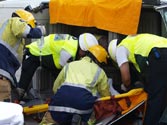
Increased speed correlates with more severe injuries in accidents.
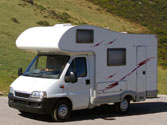
The maximum speed for motorhomes under 3500 kg is 120 km/h on dual carriageways.
Drive at a speed appropriate to the road and traffic conditions for safety.
The maximum speed for cars on conventional roads is 90 km/h.
Trucks over 3500 kg must not exceed 80 km/h on conventional roads.
Inappropriate speed does not adapt to traffic or road conditions.
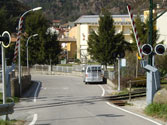
Always reduce speed when approaching level crossings or movable bridges.
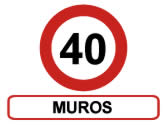
Respect speed limits in urban areas to reduce pedestrian fatalities.