Chapter 6 Insights
Speed · 169 insights
Higher speeds increase the severity of injuries in traffic accidents.
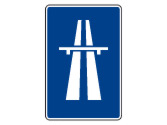
Driving at the speed limit is appropriate only if conditions allow it.
The design speed is the maximum safe speed for a road under normal conditions.
When overtaking on conventional roads, do not exceed 90 km/h.
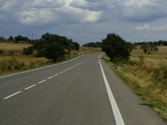
The maximum speed for passenger cars on conventional roads is 90 km/h.

Speed increases reduce the driver's field of vision.
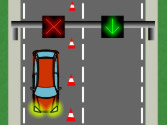
Drive at a maximum of 80 km/h in lanes going against the usual direction.
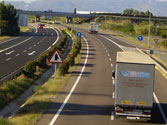
Do not drive below the minimum speed limit on dual carriageways without justification.
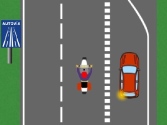
Motorcycles may travel at a maximum speed of 120 km/h on dual carriageways.
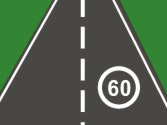
A lane with a maximum speed sign indicates no travel above 60 km/h.
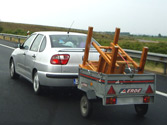
The maximum speed for a car towing a light trailer on a motorway is 90 km/h.
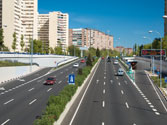
Without signage, the maximum speed for a van in built-up areas is 80 km/h.
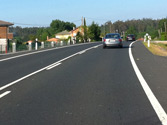
The maximum speed for overtaking on conventional roads is 90 km/h.
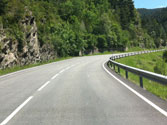
The minimum speed on conventional roads is half of the maximum speed.
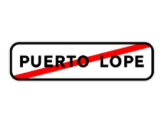
The maximum speed in built-up areas is 50 km/h.
Higher speeds increase the likelihood of accidents.
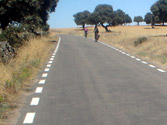
The minimum speed for a car with a trailer on conventional roads is 40 km/h.
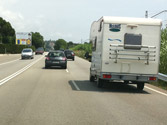
Motorhomes over 3500 kg have a maximum speed of 80 km/h on conventional roads.
The maximum speed on conventional roads is 90 km/h.
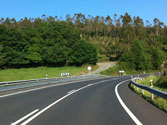
Mixed-use adaptable vehicles on conventional roads have a maximum speed of 90 km/h.
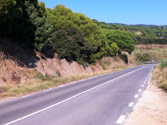
Driving below 45 km/h on conventional roads is considered abnormally reduced speed.
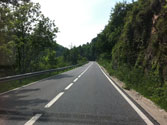
The maximum speed for overtaking on conventional roads is 90 km/h.
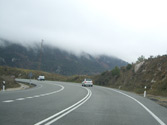
The maximum speed on conventional roads is 90 km/h.
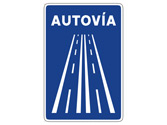
The minimum speed on a dual carriageway is 60 km/h.
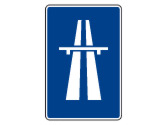
Leave the motorway at the next exit if driving at an abnormally reduced speed.
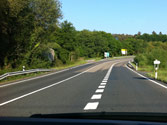
Novice drivers can travel at a maximum speed of 90 km/h on conventional roads.
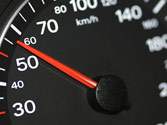
Doubling speed quadruples the braking distance.
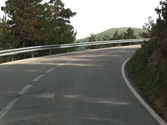
The maximum speed on conventional roads is 90 km/h.
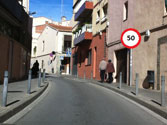
On a one-lane road, the maximum speed is 50 km/h.
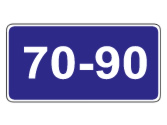
Maintain the speed indicated by the sign even in favourable conditions.
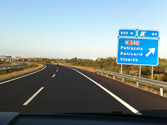
Using the shoulder requires driving below 60 km/h due to an emergency.
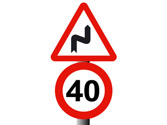
The prohibition to drive at a maximum speed ends when the danger ends.
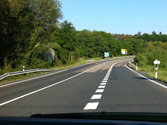
The maximum speed on conventional roads is 90 km/h.
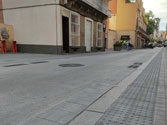
The maximum speed on urban roads with a single platform is 20 km/h.
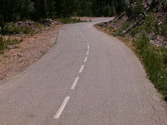
Driving at an abnormally reduced speed without justification is prohibited.
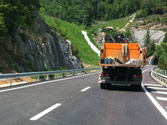
The maximum speed on a conventional road with one lane each way is 90 km/h.
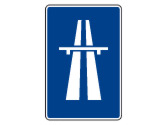
The minimum speed on a motorway without justification is 60 km/h.
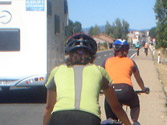
Always moderate speed when approaching cyclists, stopping if necessary.
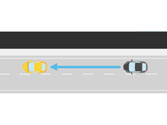
Stopping distance must be less than the distance to an obstacle.
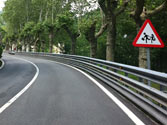
Drive at a speed appropriate to road conditions, even if within the limit.
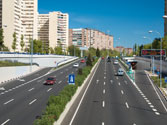
Motorways and dual carriageways within built-up areas have a maximum speed of 80 km/h.
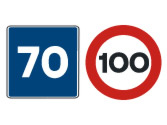
Recommended speed signs are advisory; the legal maximum remains the road's general limit.
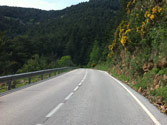
Since March 2022, exceeding the speed limit to overtake on conventional roads is no longer permitted.
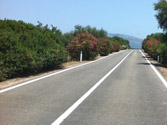
Conventional roads outside urban areas have a maximum speed of 90 km/h.
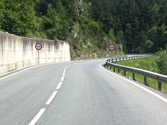
Adaptable mixed-use vehicles may drive at 90 km/h on conventional roads and 100 km/h on motorways.
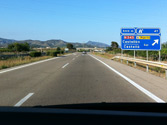
On motorways, drive on the carriageway unless an emergency forces you below 60 km/h and disrupts traffic.
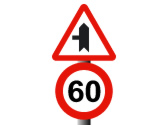
Speed limits posted with danger signs on the same panel end when the indicated danger ends.
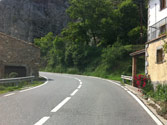
Conventional roads outside built-up areas have a maximum speed of 90 km/h regardless of lane count.
On unpaved roads, the maximum speed for all vehicles is 30 km/h.
Conventional roads with physical separation between directions may be signposted at 100 km/h.