Chapter 3 Insights
Traffic Flow, Speed and Right of Way (Includes Driving Techniques) · 190 insights
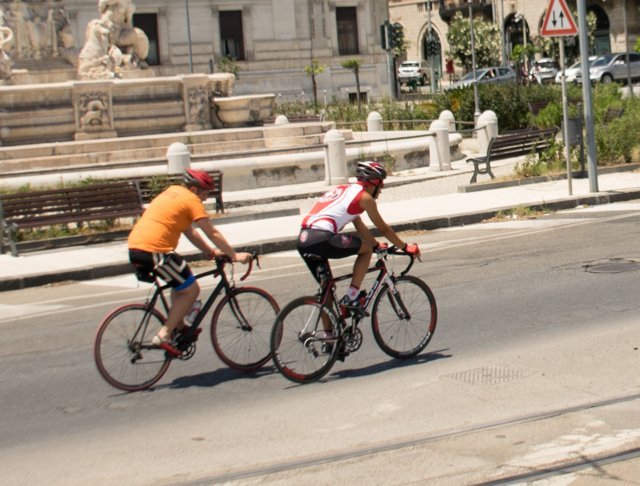
Bicycles may generally ride in parallel, in two columns.
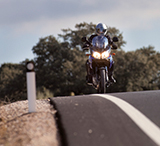
A change in gradient joins two sections of different slopes and reduces visibility.
The shoulder of dual carriageways and motorways is only used to stop the vehicle due to emergency or breakdown.
On lanes enabled in the opposite direction to ease traffic flow, only passenger cars without trailers and motorcycles may circulate.
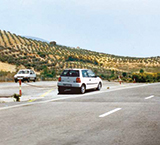
The central reservation may only be used to stop the vehicle in an emergency when the right shoulder is not feasible.
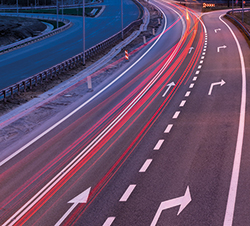
The deceleration lane is used to reduce speed when exiting a motorway or dual carriageway.
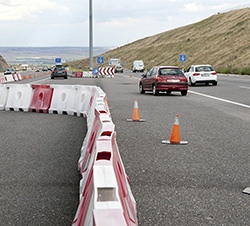
On lanes enabled in the opposite direction due to roadworks, all vehicles authorized on the road may circulate.
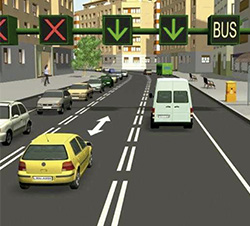
Vans may use reversible lanes normally.
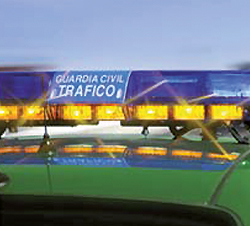
When ordered to stop by an officer, you must pull over where it causes no risk or inconvenience.
On urban through-roads the limit is 50 km/h and it may never be exceeded to overtake.
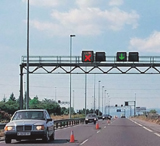
On lanes enabled in the opposite direction, drive between 60 and 80 km/h with low beams on.
The 50 km/h limit in town protects the pedestrian's life in case of being run over.
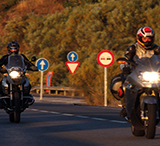
Motorcycles on conventional roads may circulate up to 90 km/h, the same as other passenger cars.
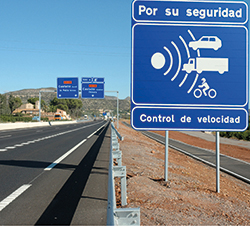
On dual carriageways and motorways, the minimum speed for passenger cars is 60 km/h.
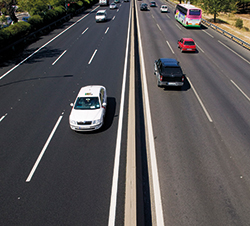
The minimum speed on dual carriageways and motorways for passenger cars is 60 km/h.
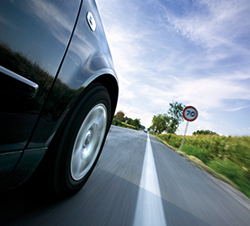
Driving too slowly also causes accidents if it is not adapted to traffic.
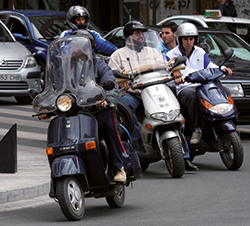
On urban roads the general speed limit for motorcycles is 50 km/h.
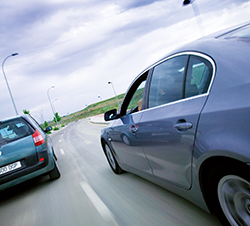
It is no longer permitted to exceed the road's maximum speed to overtake under any circumstances.
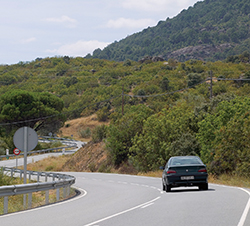
An abnormally reduced speed is considered to be one lower than half the generic limit of the road.
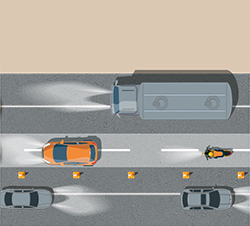
On additional enabled lanes, the maximum speed is 80 km/h.
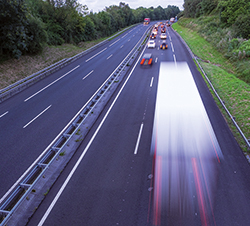
A safe following distance must always be maintained on all types of roads.
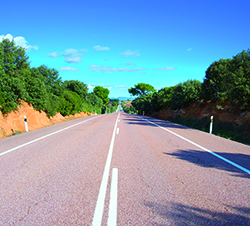
The general maximum speed for passenger cars on conventional roads is 90 km/h.
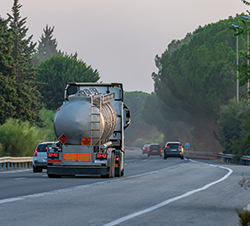
When overtaking, a passenger car may never exceed the general maximum speed limit of the road.
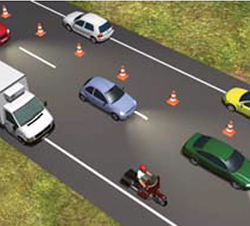
On circumstantial additional lanes, the minimum speed is 60 km/h, unless a lower limit is signposted.
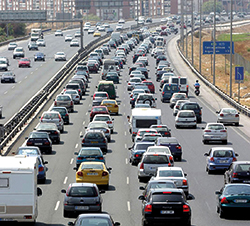
On motorways and dual carriageways within built-up areas, the limit is 80 km/h unless otherwise signposted.
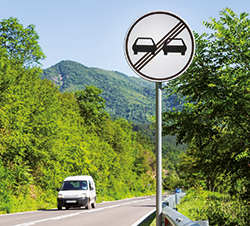
On conventional roads outside built-up areas, 90 km/h cannot be exceeded, not even when overtaking.
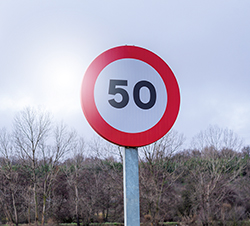
Speed limits aim to ensure maximum safety and smooth traffic flow.
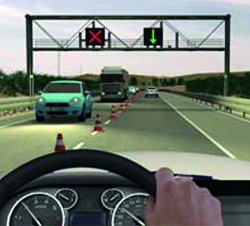
When a lane is opened in the opposite direction, the maximum speed of the adjacent lane is reduced to 80 km/h.
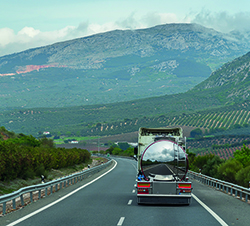
Driving below the minimum speed without justified cause is considered abnormally low speed and is prohibited.
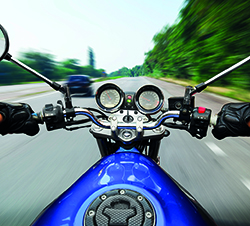
On dual carriageways and motorways, the maximum limit for motorcycles and passenger cars is 120 km/h.
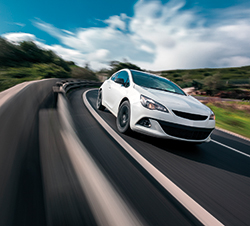
The general limit for passenger cars on conventional roads is 90 km/h.
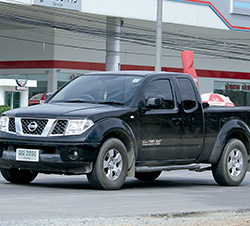
On dual carriageways and motorways, the minimum speed is 60 km/h unless there is justified cause.
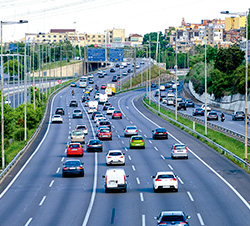
Vans and passenger cars on dual carriageways within built-up areas have an 80 km/h limit when not signposted.
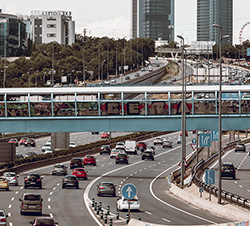
On urban motorways without signposting, passenger cars may not exceed 80 km/h.
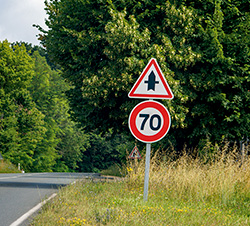
The maximum speed indicated by a sign can never be exceeded.
On conventional roads, vehicles derived from passenger cars may travel up to 90 km/h.
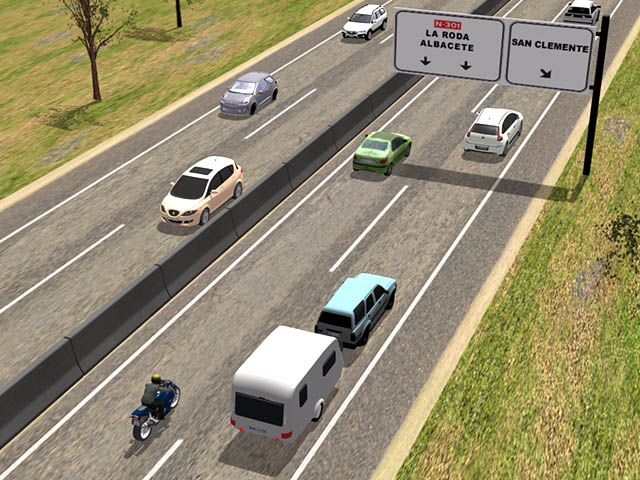
A passenger car with a trailer on a conventional road has a maximum speed of 80 km/h.
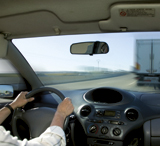
When overtaking large vehicles, be prepared for a sudden lateral gust due to the screen effect.
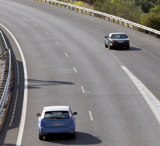
On the acceleration lane, give way to vehicles already traveling on the main road.
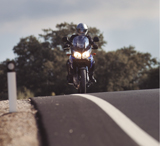
On crests with no visibility, keep to the right and leave the opposite lane clear.
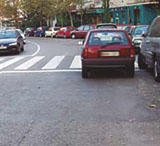
Double parking is always prohibited, without exceptions.
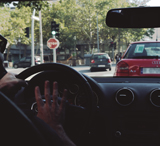
Keep a safe distance to avoid rear-end collisions in case of sudden braking.
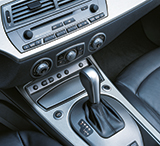
On a downhill slope with manual transmission, leave the vehicle in reverse gear.
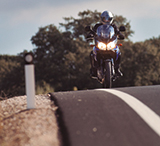
On curves and crests without visibility, overtaking and changing direction are prohibited.
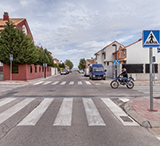
When there are no lane dividing lines, always drive in the right-hand lane.
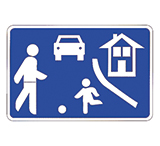
In residential streets, you may only park in expressly designated areas.
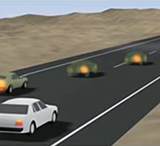
Return to the right lane when you see the front of the overtaken vehicle in your rearview mirror.
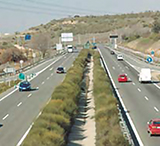
Moving faster from an acceleration lane is not considered overtaking.
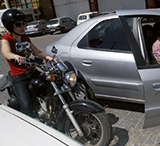
Get out of the vehicle on the side closest to the edge of the road.
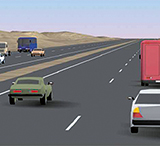
You may remain in the left lane to continue overtaking if no one is approaching faster from behind.