Chapter 3 Insights
Traffic Flow, Speed and Right of Way (Includes Driving Techniques) · 190 insights
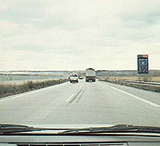
The shoulder is only for emergencies, never for stopping to admire the scenery.
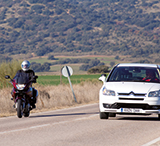
Bicycles and mopeds turn left from the right side of the road or from outside it.
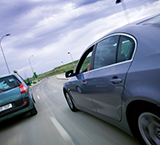
Complete the overtaking maneuver by returning to the lane gradually and without obstructing.
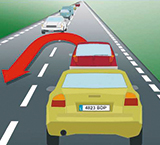
To change direction without obstructing traffic, pull off to the right and wait for the right moment.
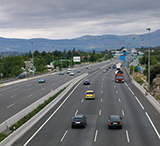
When changing lanes, priority belongs to the driver already traveling in the lane you wish to occupy.
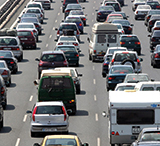
The shoulder cannot be used for driving, not even in situations of congestion or traffic jams.
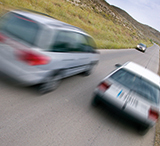
Before overtaking, check that no one behind has already started overtaking you.
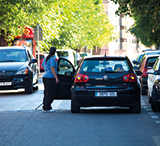
Double parking is always prohibited, although momentary stopping may be allowed in some cases.
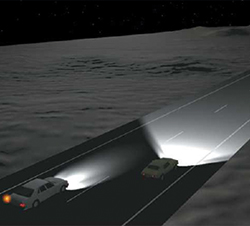
After being overtaken at night, switch from high beams to low beams to avoid dazzling.
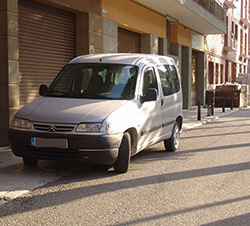
The sidewalk is exclusively for pedestrians; no vehicle may occupy it, not even partially when stopping.
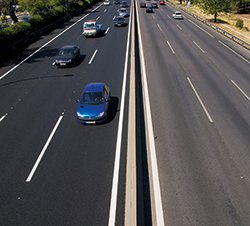
On a motorway, drive normally in the right-hand lane, using the others only to overtake.
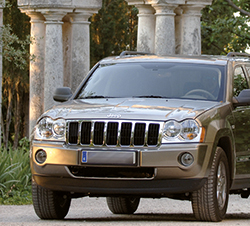
The turn signal warns of the maneuver but never grants right of way.
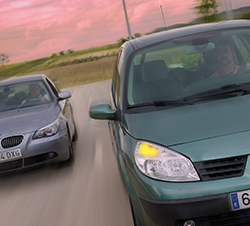
On a road, you only overtake on the right when the vehicle ahead is about to turn left.
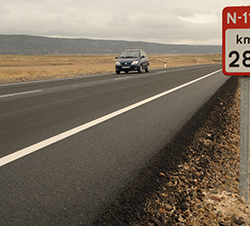
On interurban roads, the passable shoulder may only be used to stop in an emergency.
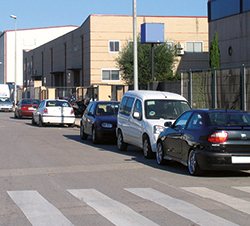
Enter and exit the vehicle from the side nearest the sidewalk or shoulder.
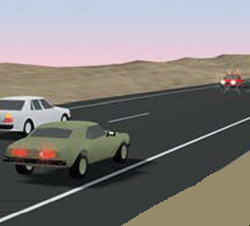
Always make it easier for those needing to merge back due to a hazard by reducing your speed.
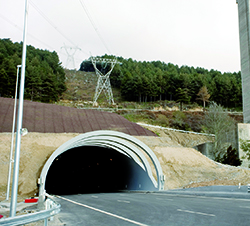
In tunnels with a single lane per direction, overtaking is prohibited.
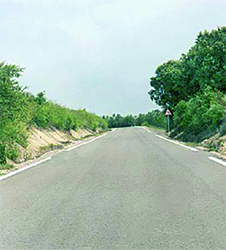
To turn left without a centerline marking, position yourself next to the axis without invading the opposite direction.
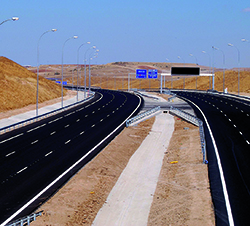
On a motorway, the vehicle may only be stopped on the median exceptionally and out of necessity.
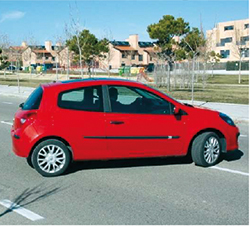
It is forbidden to make a U-turn where overtaking is prohibited.
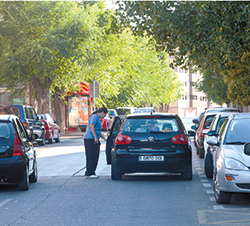
Double-parking is only allowed exceptionally for loading/unloading while respecting the rules.
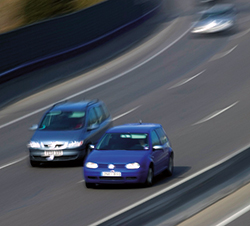
Do not overtake on the right vehicles in the same lane; overtaking is done on the left.
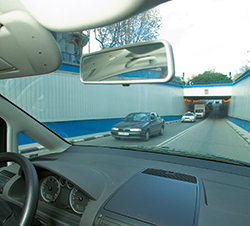
In tunnels with a single lane per direction, overtaking is prohibited.
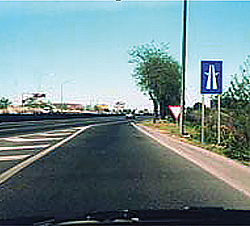
Striped (zebra) zones must not be driven over when merging onto a motorway.
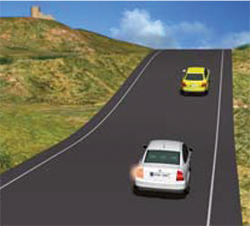
Never overtake on crests with reduced visibility if you must invade the opposite direction.
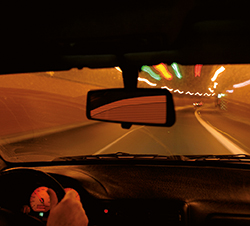
In a tunnel, keep at least 100 meters or 4 seconds of separation from the vehicle ahead.
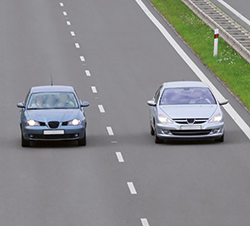
Do not overtake someone who is already overtaking if you do not have enough visibility of the road ahead.
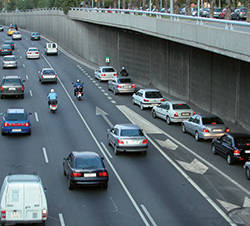
Whenever possible, facilitate the merging of vehicles from the acceleration lane.
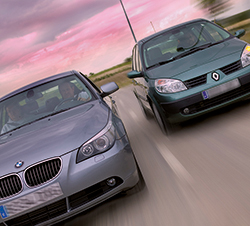
Before overtaking, make sure you have room to return to the right lane after the maneuver.
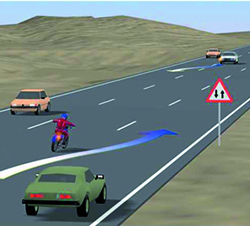
To turn left on a three-lane two-way road, position yourself in the central lane.
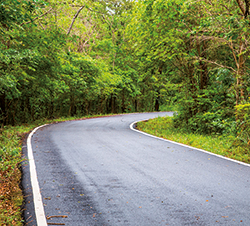
On two-way roads without markings, always drive in the right lane.
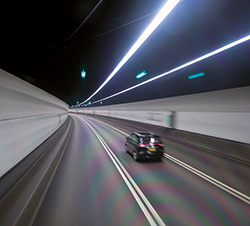
In a tunnel, overtaking is only allowed if there is more than one lane in your direction of travel.
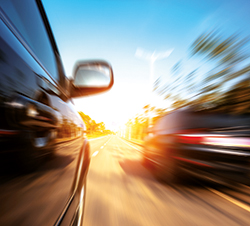
If danger arises during an overtaking maneuver, reduce speed, signal, and return to your lane.
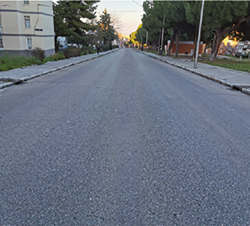
On one-way streets without signs or markings, you may park on either side.
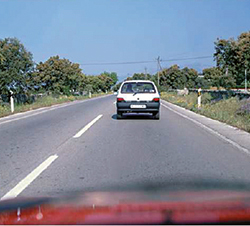
To turn left on a two-way road, position yourself near the centerline without invading the opposite lane.
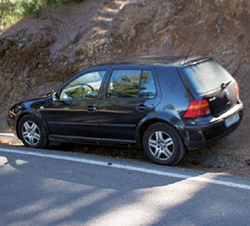
If there is no shoulder, you may park off the roadway to the right.
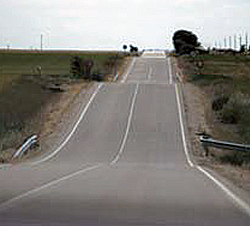
Without a shoulder, park off the road on the right side.
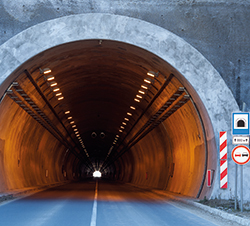
Parking in a tunnel is prohibited under all circumstances.
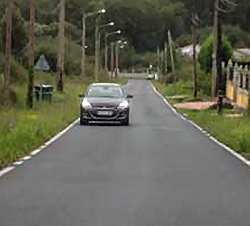
Without marked lanes, drive on the right as close as possible to the edge.
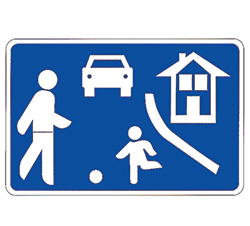
On residential streets, parking is only allowed in expressly marked spaces.
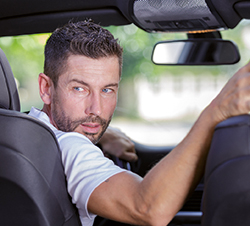
Reversing is permitted as a complementary maneuver to join traffic.
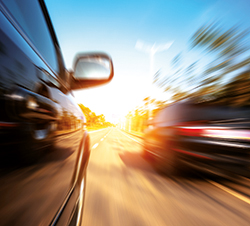
If overtaking becomes complicated, reduce speed and return to your lane without obstructing others.
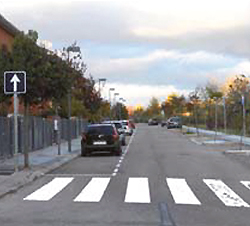
On a one-way urban road, you may park on either side, right or left.
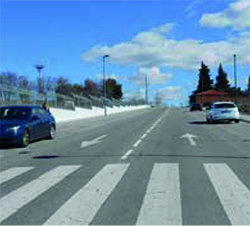
On a two-way urban road, park on the right-hand side in the direction of travel.
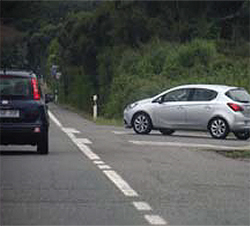
Before joining traffic, make sure you do not create danger for other road users.
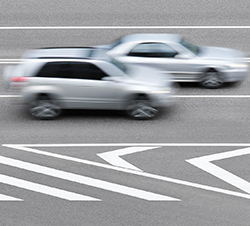
Overtaking on the right is allowed on urban roads with two or more marked lanes.
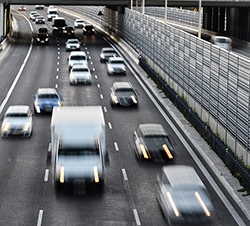
Motorcycles may use the left lane on dual carriageways when traffic or road conditions advise it.
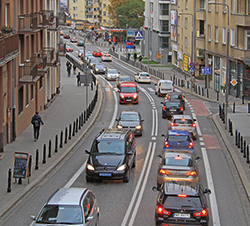
On a single-lane urban road in each direction, drive as close as possible to the right edge.
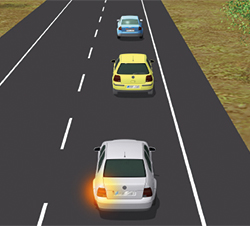
Overtaking several vehicles at once is only valid if you can safely return to the right.
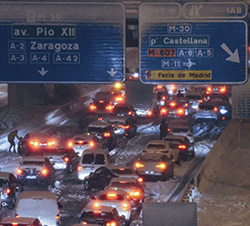
In traffic jams, keep two or three meters from the vehicle in front to avoid hitting it if you are rear-ended.