Chapter 3 Insights
Traffic Flow, Speed and Right of Way (Includes Driving Techniques) · 190 insights
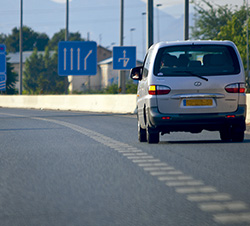
Enter the deceleration lane as soon as possible when exiting a highway.
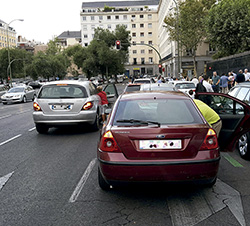
Double parking is prohibited under any circumstances.
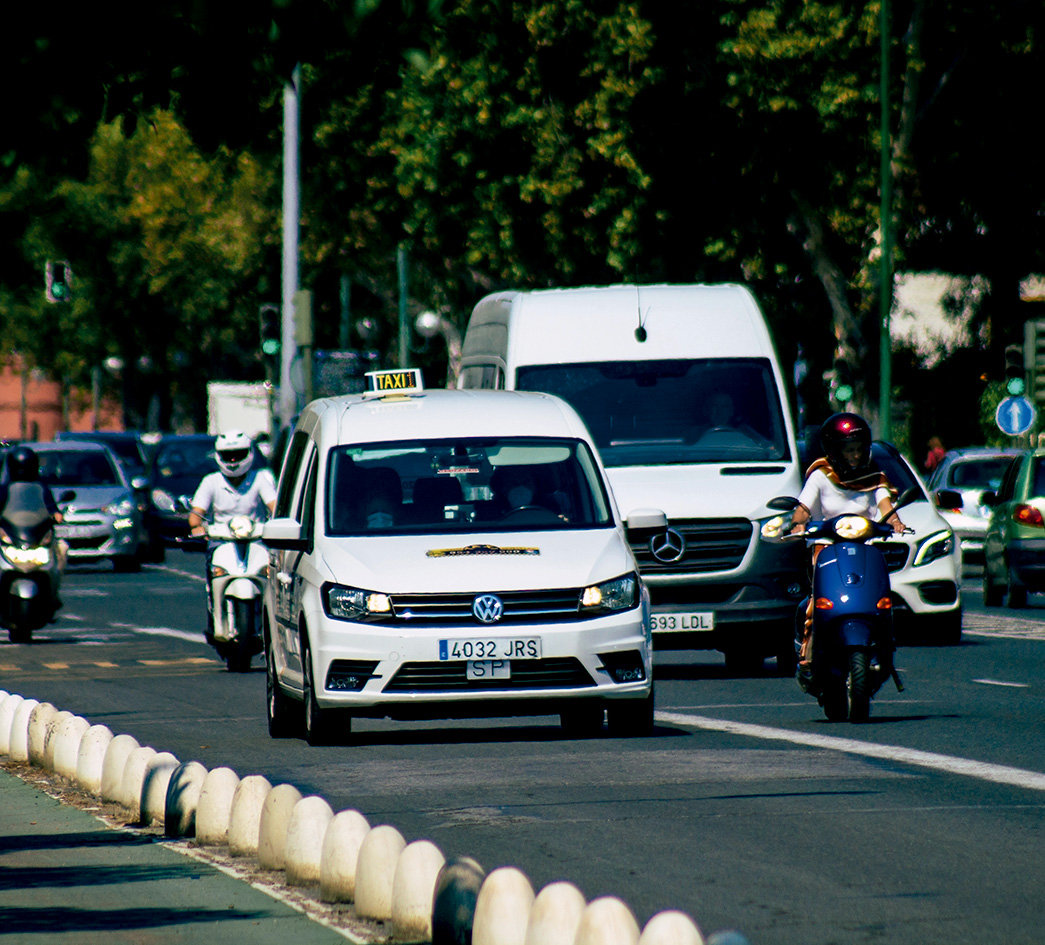
Motorcycles may not stop or park in bus-only lanes.
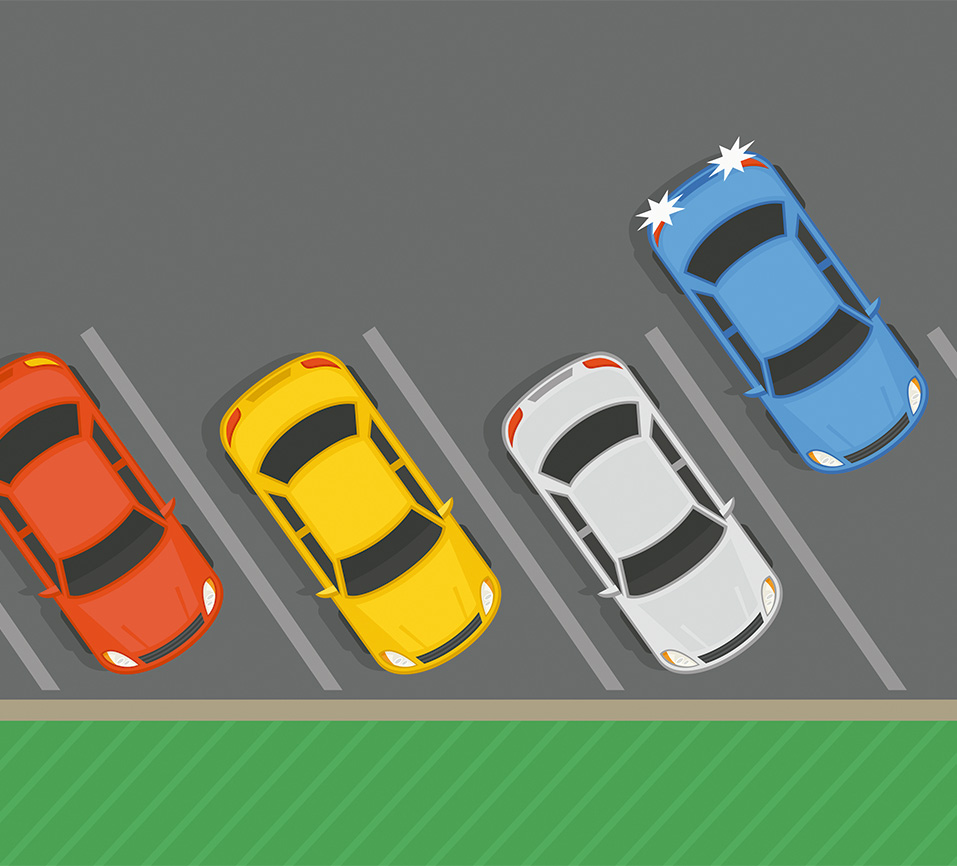
You may exit a parking space in reverse as long as you do not invade an intersection.
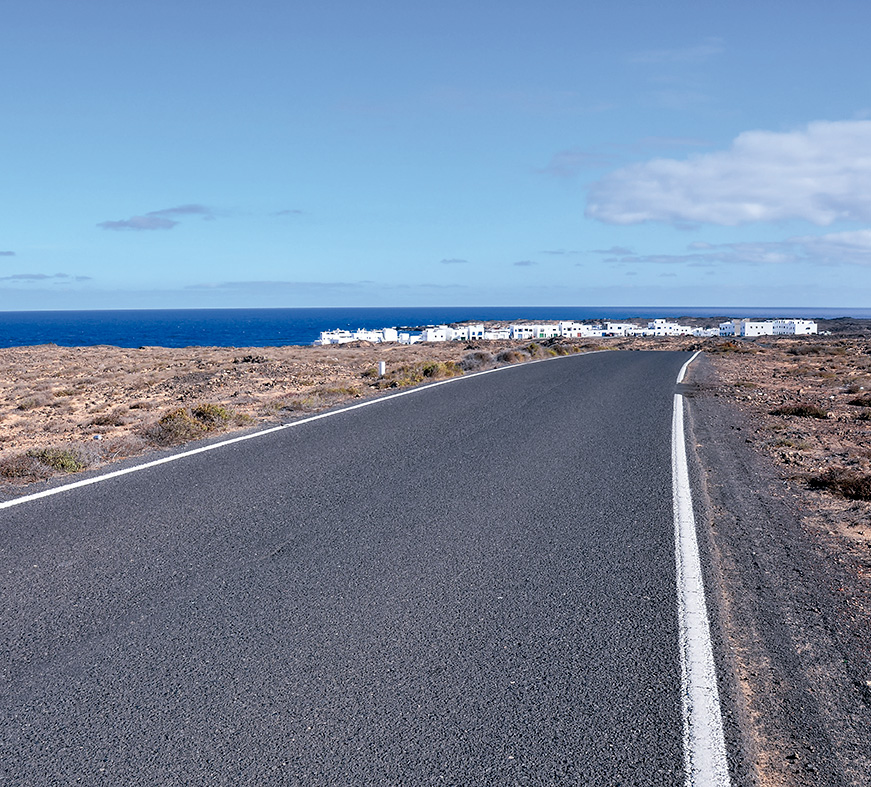
Vehicles longer than 10 meters must keep a 50-meter distance from the vehicle in front.
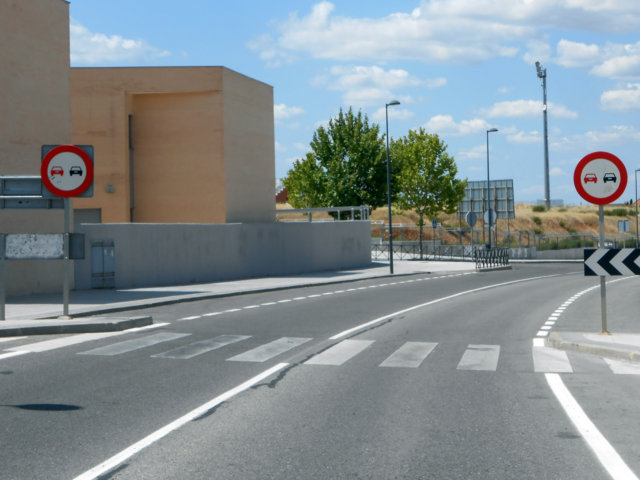
Where overtaking is prohibited, U-turns are also prohibited unless signage allows otherwise.
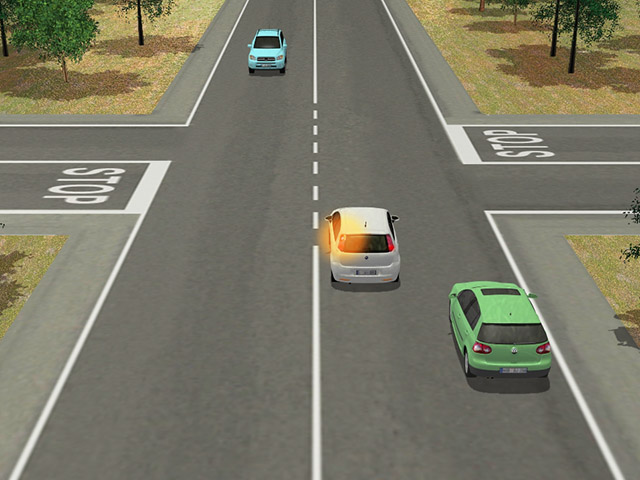
Driving on the shoulder to overtake on the right a vehicle turning left is prohibited.
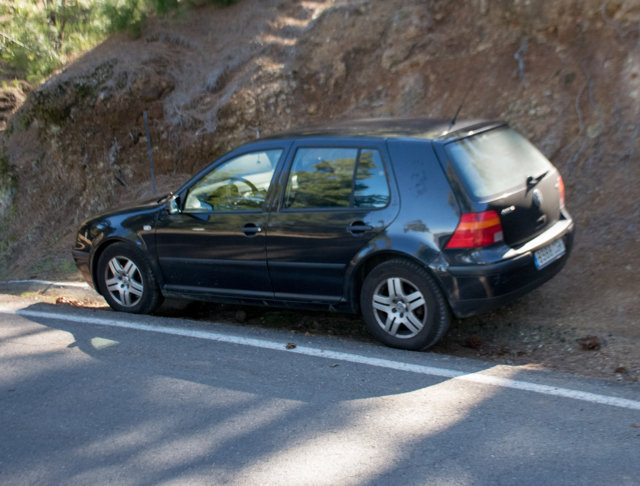
On interurban roads, stop off the roadway, on the right, leaving the passable part of the shoulder clear.
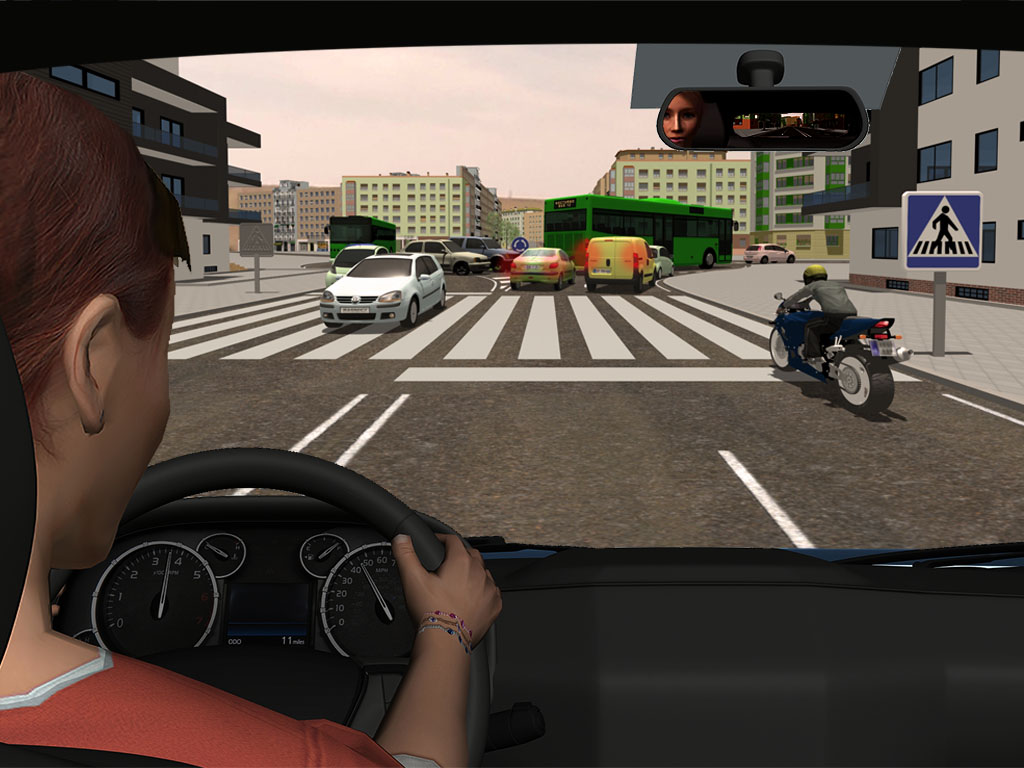
Never enter a pedestrian crossing if you anticipate becoming stopped on it.
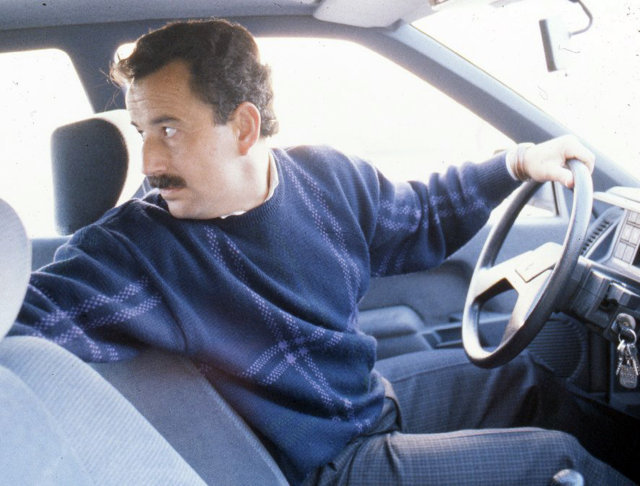
Reversing may never invade an intersection.
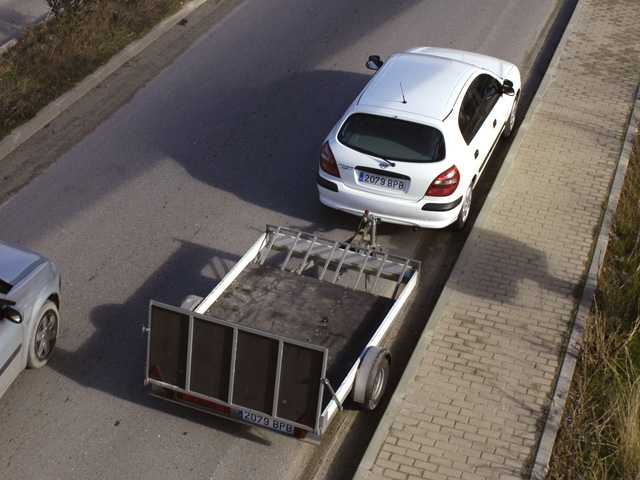
On an uphill slope without chocks, rest a front wheel against the curb, turned toward the center of the road.
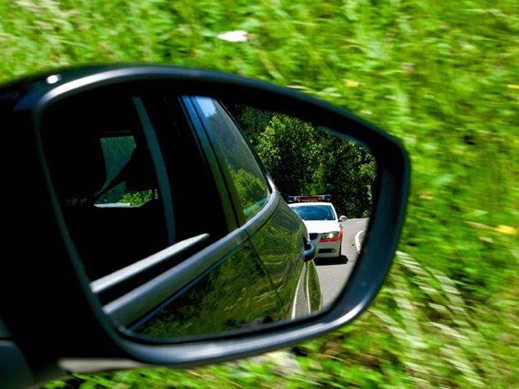
If you are about to be overtaken on the left, move to the right edge of the road to facilitate the maneuver.
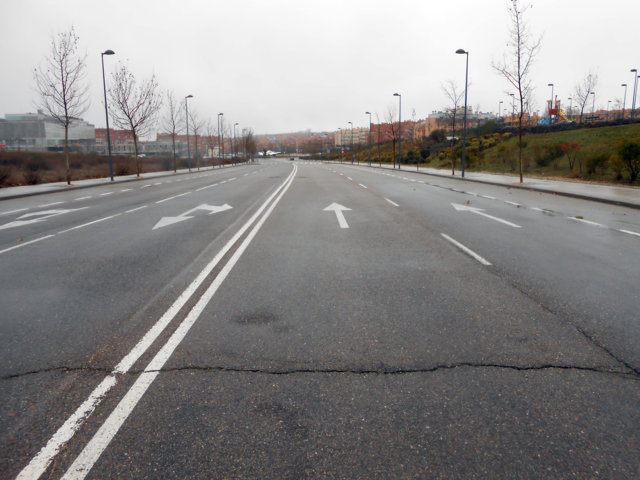
On through roads you drive as on urban roads, and may use the left lane to turn left.
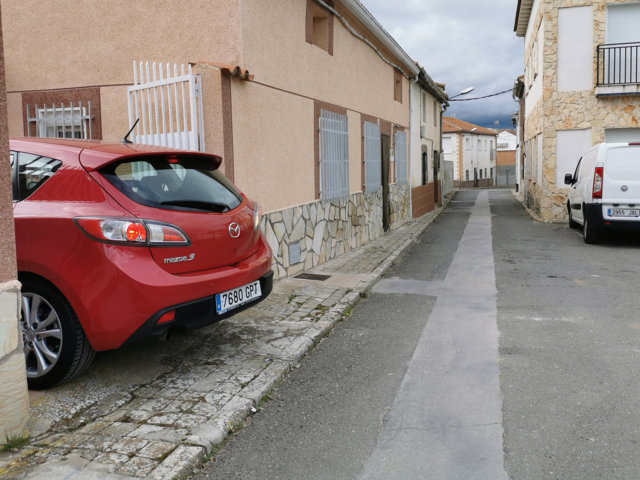
When crossing the sidewalk while exiting a garage, reduce speed in case there are pedestrians.
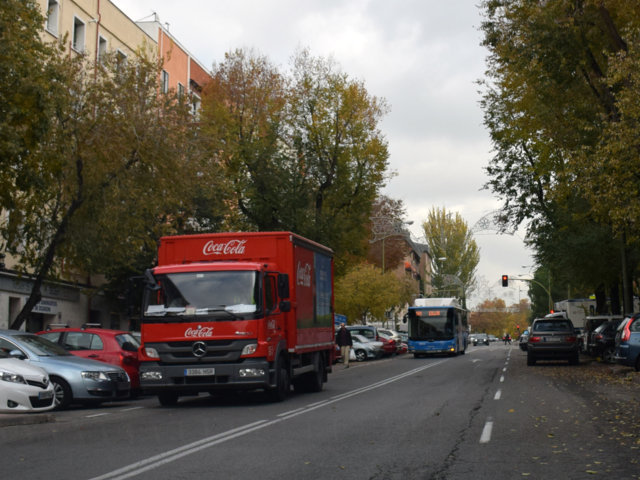
Double parking with no driver present seriously obstructs traffic flow.
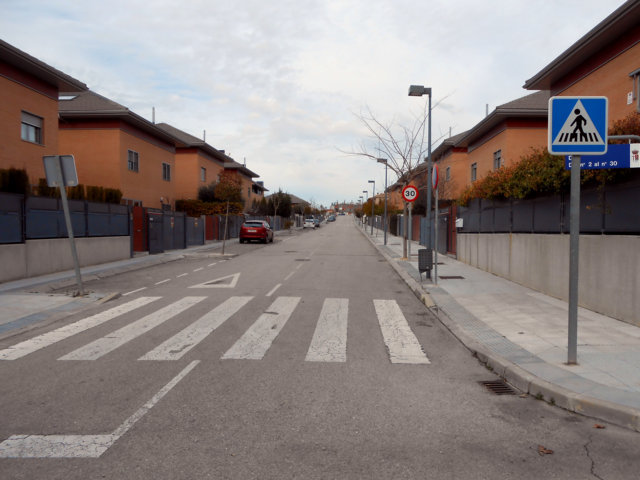
You may overtake at pedestrian crossings at reduced speed, allowing you to stop in the event of a possible collision with a pedestrian.
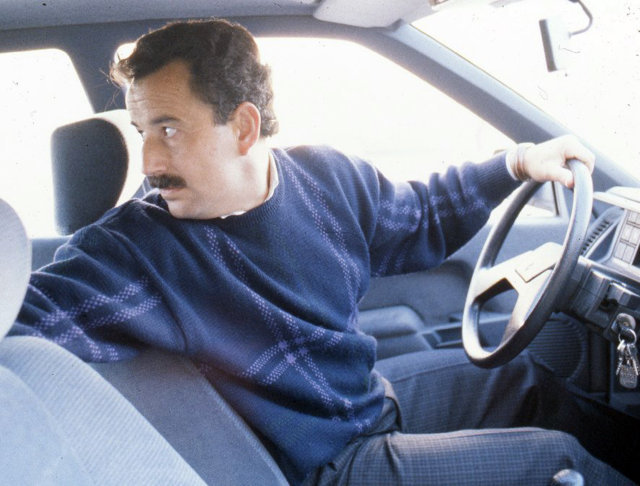
Reversing may never invade an intersection, not even to park.
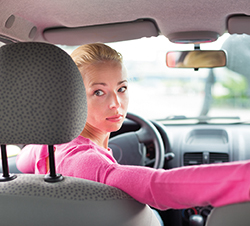
Reversing is only permitted as a complementary maneuver and over the minimum essential distance.
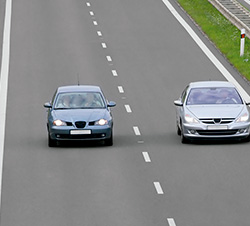
There is no obligation to facilitate overtaking where it is prohibited.
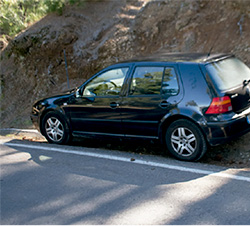
On interurban roads, stop on the right, leaving the passable part of the shoulder clear.
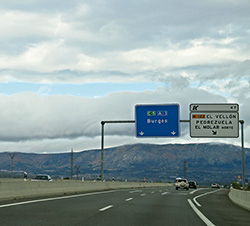
When exiting a dual carriageway, merge into the deceleration lane as soon as possible.
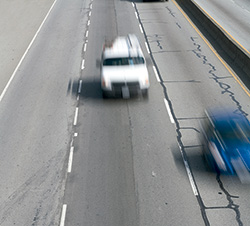
On a motorway, always drive in the right lane, except when overtaking.
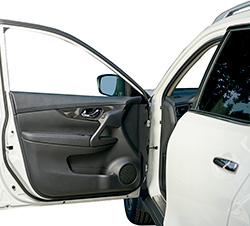
Before opening the door, make sure you do not endanger other road users.
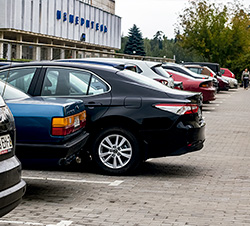
When reversing, take extra caution because pedestrians may cross behind the vehicle.
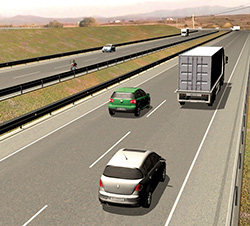
After overtaking, return to the right lane as soon as possible without hindering the overtaken vehicle.
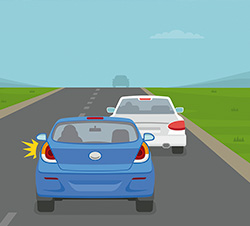
Signaling a lane change does not grant priority over those already driving in that lane.
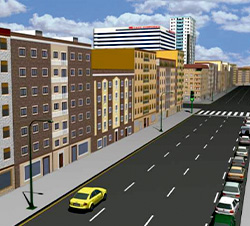
On one-way roads, to turn left position yourself next to the left edge.
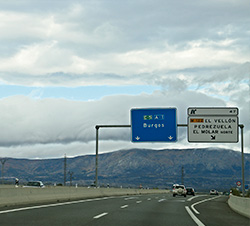
On motorways and dual carriageways you may only stop in designated areas.
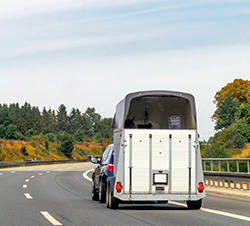
A car with a trailer may use the left lane if the combined length does not exceed 7 meters.
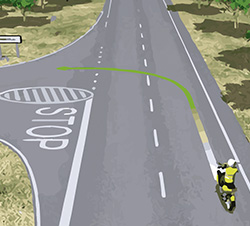
A moped turns left from the right, leaving the roadway if possible.
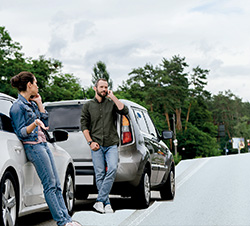
Stopping and parking are prohibited on the usable part of the interurban shoulder.
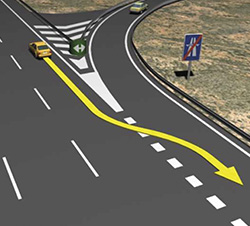
Never reverse on a motorway to recover a missed exit.
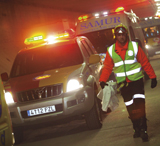
The light signal alone is enough to identify a priority vehicle on an urgent mission; yield to it.
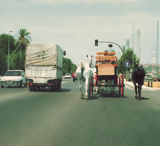
Without priority signs, yield to any vehicle approaching from your right.
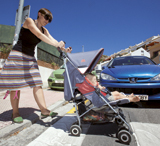
Stop at a pedestrian crossing if someone is crossing or showing intention to cross.
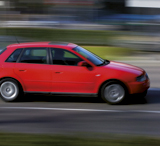
A passenger car is never a priority vehicle, even when transporting someone urgently ill.
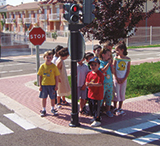
School lines have right of way when crossing, whether or not they use a marked crosswalk.
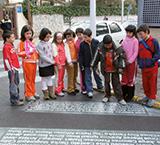
School lines always have priority when crossing the roadway.
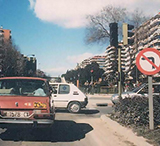
If the traffic light is out of order, apply the general rule: priority from the right.
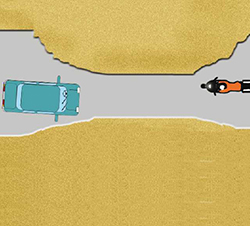
At narrowings without signed priority, whoever entered first goes through first.
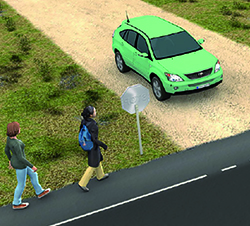
When crossing a shoulder without a pedestrian zone, yield to pedestrians.
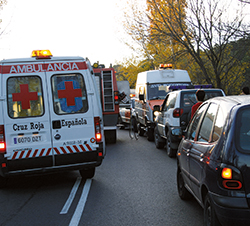
Priority vehicles only have right of way when operating on an emergency service.
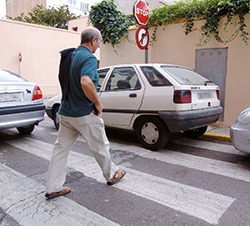
At pedestrian crossings without traffic lights, pedestrians always have priority.
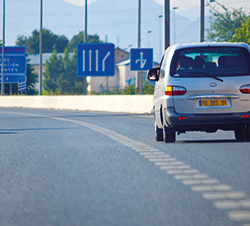
Facilitate merging from the acceleration lane whenever possible.
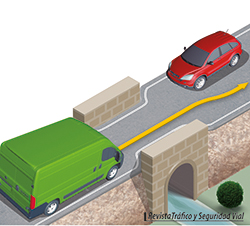
At unmarked narrow sections, priority belongs to whoever enters first.
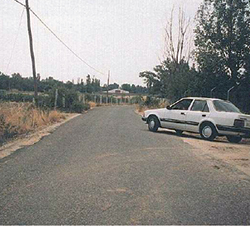
At intersections between a paved and an unpaved road, priority is given to the paved road.
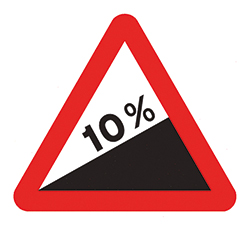
On narrow sloped sections, the descending vehicle yields to the ascending one.
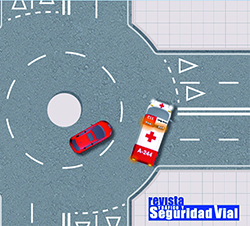
Without active warning signals, an ambulance does not have right of way.
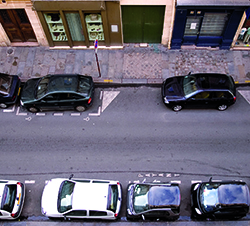
When merging into traffic, you must always yield the right of way.
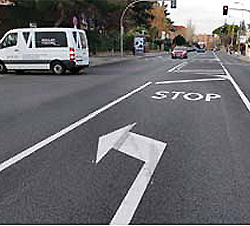
At a STOP sign, you must always come to a complete stop at the transverse line.