Chapter 3 Insights
Traffic Flow, Speed and Right of Way (Includes Driving Techniques) · 190 insights
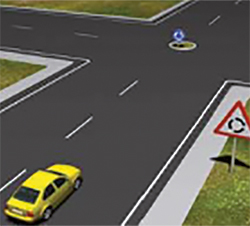
On gyratory roads that are not roundabouts, yield to vehicles entering from the right.
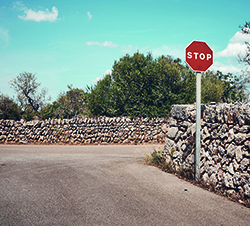
Without signage or clear priority, stop and yield to vehicles coming from both sides.
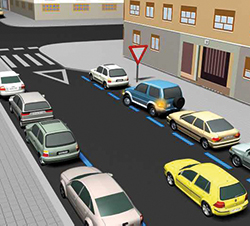
When merging into traffic from a parking area, you never have priority.
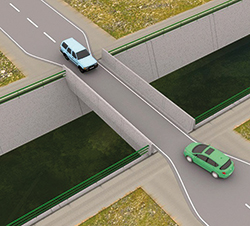
At unmarked narrow sections, priority belongs to the vehicle with greater length, width, or mass.
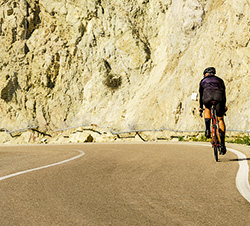
Cyclists have priority over motor vehicles when traveling on a bicycle crossing.
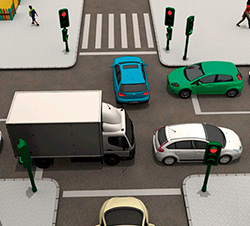
Never enter an intersection if you may end up blocking cross traffic, even if you have priority.
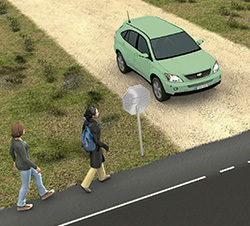
Yield to pedestrians walking on the shoulder if there is no pedestrian zone.
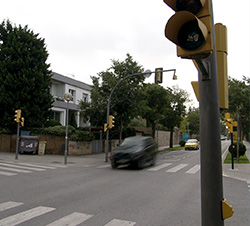
If the pedestrian crossing traffic light is not working, pedestrians have priority.
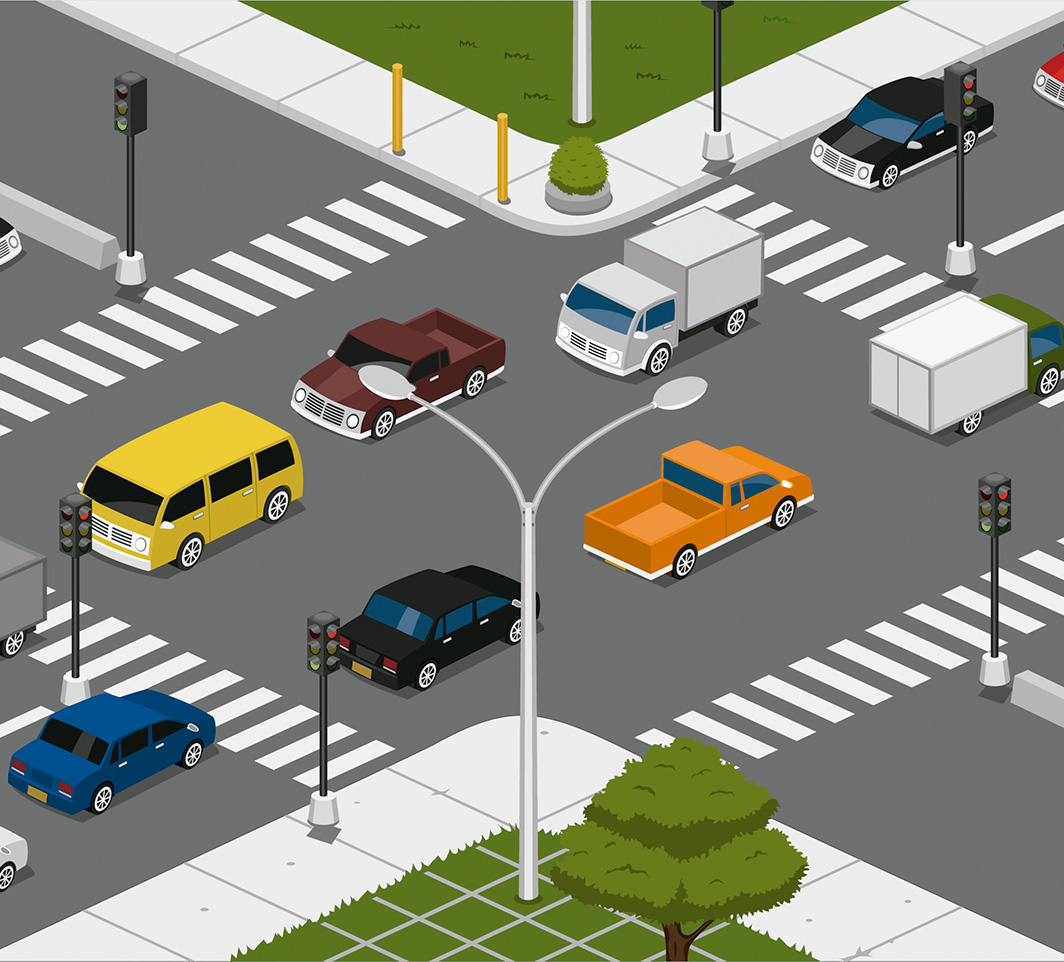
Do not enter a congested intersection if you may end up stopped and obstructing cross traffic.
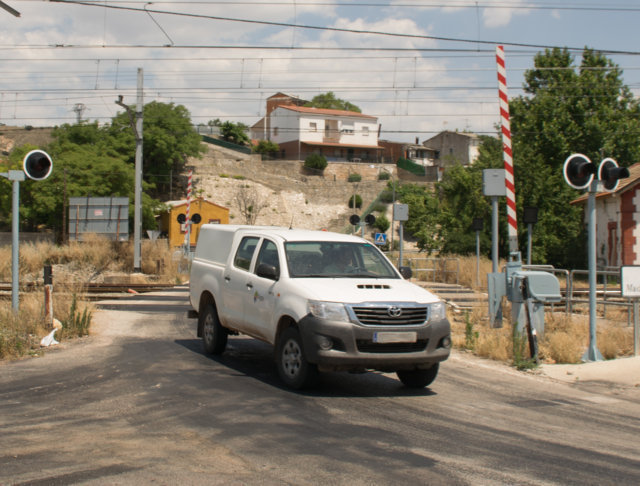
Cross a level crossing without delay and only after verifying that you will not be stopped on the tracks.
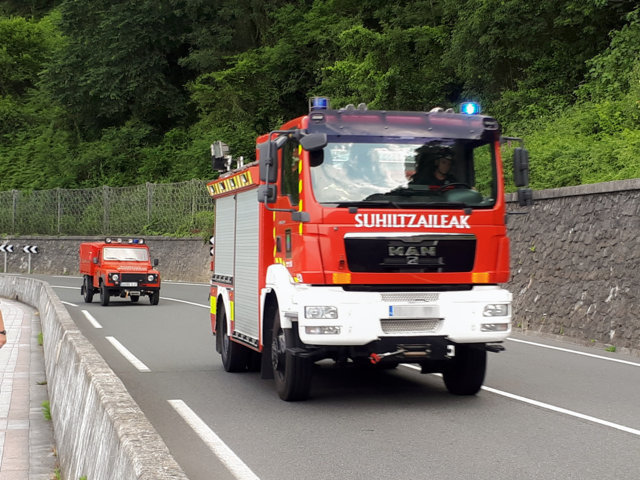
Always yield to a priority vehicle on an emergency service, even if you have right of way.
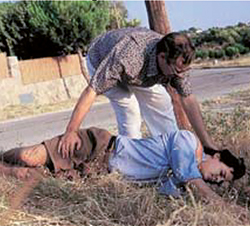
To transport an urgent patient, use the horn and turn on the hazard lights to warn others.
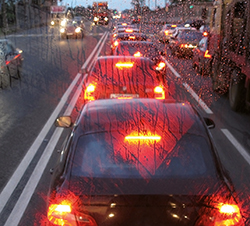
To warn of sudden braking, press the brake pedal several times.
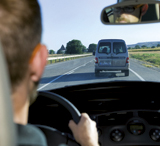
Warn of sudden braking by pressing the brake repeatedly so the stop lights flash.
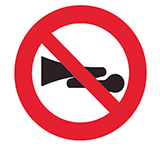
The horn is only used to prevent accidents or announce overtaking outside built-up areas.
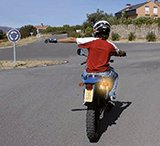
The arm signal always prevails over the turn signal in case of contradiction.
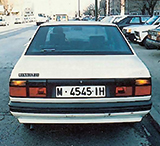
A broken-down vehicle may drive at reduced speed with the hazard lights on.
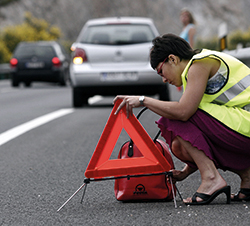
Hazard lights are mandatory when immobilizing the vehicle on a motorway.
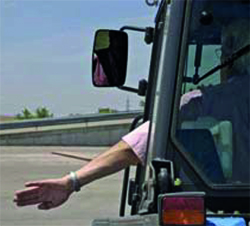
Arm extended horizontally with the palm facing backwards indicates reversing.
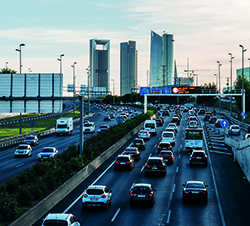
When braking suddenly, warn those behind with repeated brake lights or by moving your arm up and down.
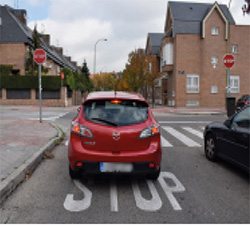
Turns are signaled with the turn indicator or, failing that, with the arm.
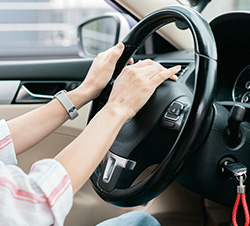
In built-up areas, acoustic signals are only allowed to prevent accidents or during emergency services.
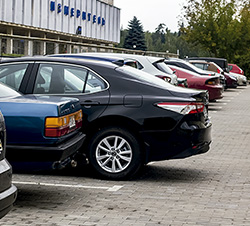
If the reverse light is broken, signal it with your arm extended and palm facing backwards.
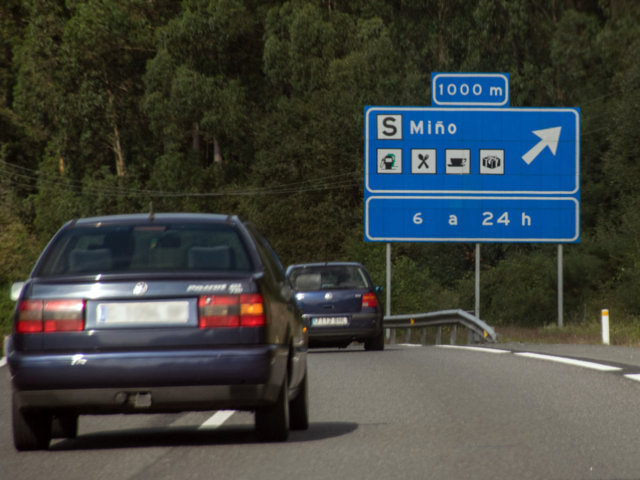
Lateral movements are signaled with the turn indicators or, failing that, with the arm.
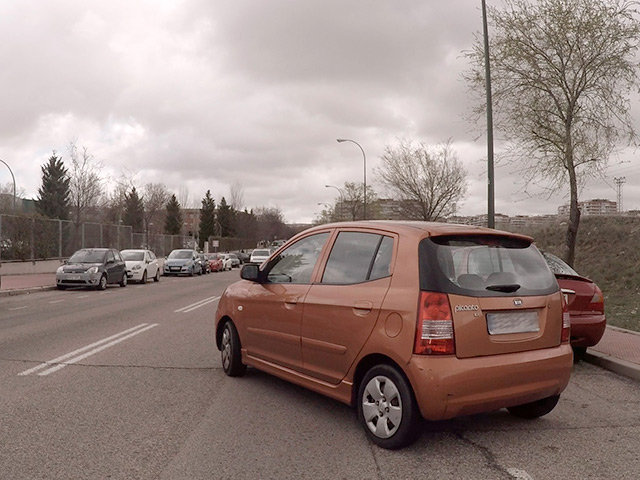
Maneuvers are indicated with light signals and, failing that, with the arm.
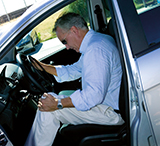
Drive with your legs slightly bent and your back straight against the seat backrest.
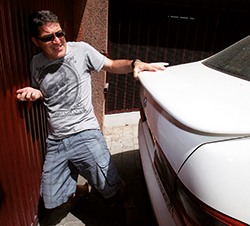
Many pedestrian accidents occur when reversing without seeing the pedestrian.
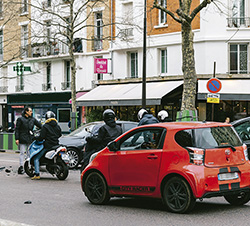
In the city, check the mirrors frequently to spot motorcycles and mopeds.
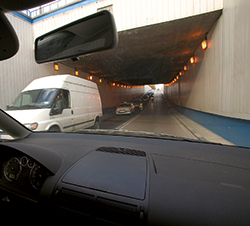
If you have a minor breakdown in an underpass, exit it before stopping if possible.
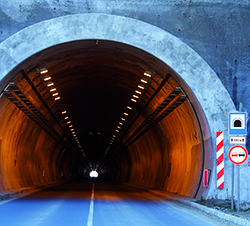
If you have to stop in a tunnel, do so as far as possible from the vehicle in front.
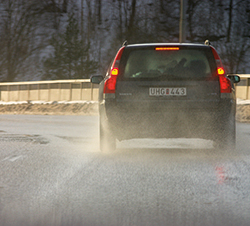
You can reduce speed using both the brake and the engine (engine braking).
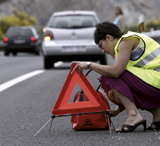
Vehicle broken down on the shoulder: hazard lights, warning triangles and, if applicable, position lights.
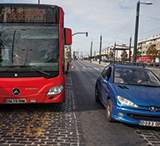
When overtaking a bus, anticipate hidden pedestrians who may cross in front of or behind it.
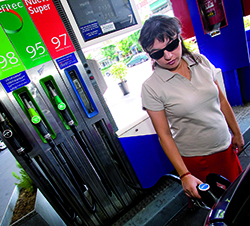
Always turn off your engine and lights before refueling your vehicle.
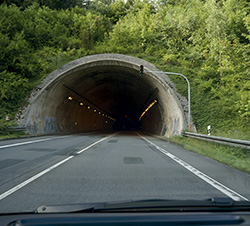
Never overtake in a tunnel with only one lane in each direction.
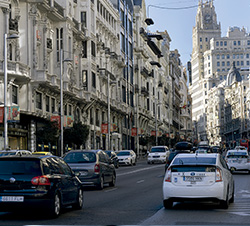
You can leave your lane in urban areas to change direction or park.
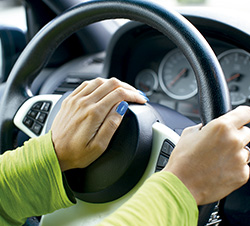
Do not use your horn to signal during an overtaking maneuver.
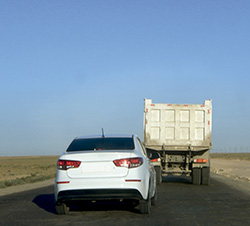
If unable to complete an overtaking, return to your lane and signal behind.
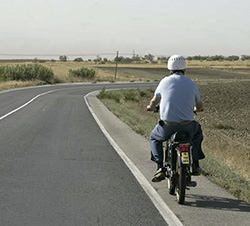
A moped's maximum speed on a conventional road is 45 km/h.
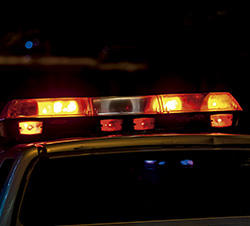
Stop immediately if a police vehicle signals you with a flashing red light.