Chapter 12 Insights
Accidents · 112 insights
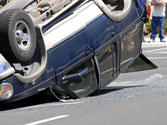
During the day, most accidents occur at commuting times to and from work.
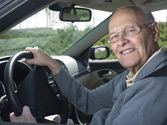
Elderly people are more accident-prone in complex situations requiring a quick response.
The human factor is responsible for the large majority of traffic accidents.
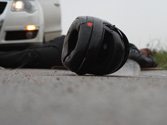
Collisions with other vehicles are the most frequent type of motorcycle accident.
Young drivers crash more often due to exhibitionist behaviour when driving in groups.
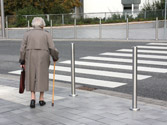
Elderly pedestrians have fewer accidents when accompanying children, as they take extra care.
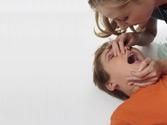
Before mouth-to-mouth resuscitation, first clear and open the victim's airways.
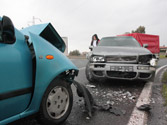
Apply the PAS rule after an accident: Protect, Alert, and Assist.
The human factor is the main cause of traffic accidents.
Material damage from accidents affects the vehicle and cargo, the road, and the environment.
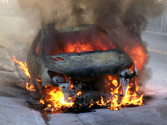
Quickly remove the injured from a burning vehicle.
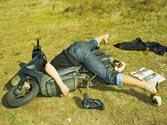
Open the airway and remove obstructions without moving the spine.
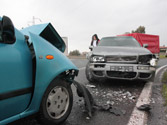
Switch off the ignition and apply the handbrake after an accident.
The head and face are most vulnerable in motorcycle accidents.
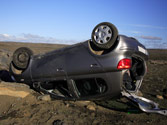
Stop safely, notify authorities, and assist the injured after an accident.
Do not give food or drink to injured persons.
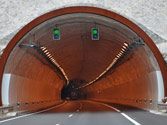
Abandon the vehicle in a tunnel and head to safety.
Help is compulsory when injured persons are unattended.
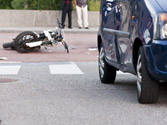
Motorcycle accidents can easily be fatal due to lack of protection.
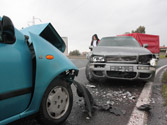
Yes, assist accident victims unless help is already organized.
Human costs include loss of life and psychological suffering.
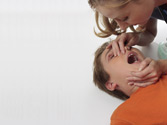
Call for help and monitor breathing for injured persons.
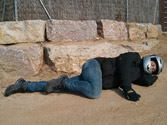
Stay with accident victims to provide reassurance.
Check if injured persons are conscious and breathing.
Provide the accident's location and number of victims to emergency services.
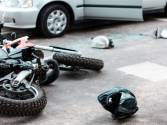
Rehabilitation costs are part of healthcare expenses from accidents.
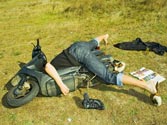
You must provide assistance unless help is organized.
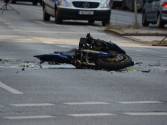
Stop to help restore traffic safety after an accident.
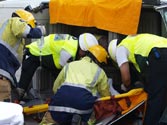
Continue on your way if your help is not necessary.
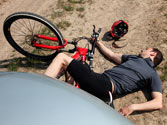
Head injuries are most serious for cyclists in accidents.
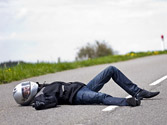
Do not remove a motorcyclist's helmet unless trained to do so.
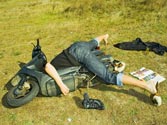
You are obliged to assist if you witness an accident.
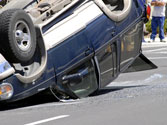
Follow the PAS rule: Protect, Alert, Aid in an accident.
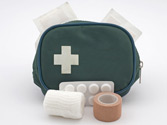
Carrying a first aid kit is advisable but not mandatory.
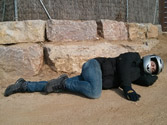
Place the injured in the recovery position to prevent suffocation.
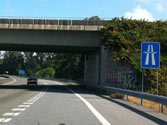
Never walk along the carriageway of a motorway after a breakdown.
Do not move injured persons until emergency services arrive.
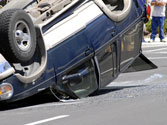
Use the PAS rule to act correctly in an accident.
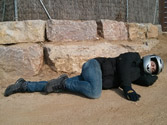
Place victims in the recovery position if they risk suffocation.
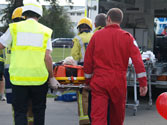
Keep the injured person's neck protected to avoid spinal injuries.
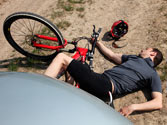
Do not plug bleeding from the ear or nose.
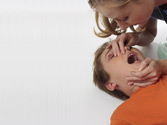
Inspect the mouth for obstructions before mouth-to-mouth ventilations.
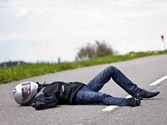
Always cover injured persons to prevent hypothermia.
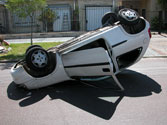
Stop to provide assistance if you witness an accident.
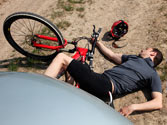
Do not move the injured person's head if they have bleeding.
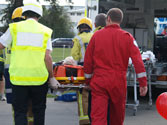
Continue on your way if help is already organized.
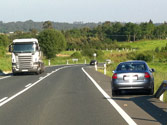
Use hazard lights and pre-warning devices for breakdowns.
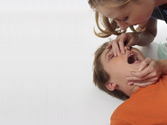
Remove any obstruction from the mouth of an injured person.
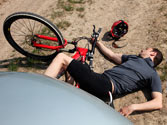
Protect the neck of an injured person from sudden movements.
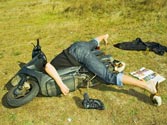
Plug external haemorrhages but not internal ones.