Chapter 9 Insights
Lighting · 139 insights
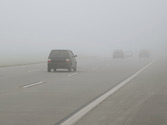
Without front fog lights, use dipped headlights whenever fog or weather significantly reduces visibility.
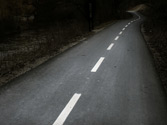
A road is insufficiently lit if a plate isn't readable at 10 m or a dark vehicle visible at 50 m.
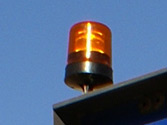
Special vehicles required to use the V-2 amber light must use it both day and night on public roads.
Motorcycles must keep dipped (low-beam) headlights on during the day on any road.
Position lights must always be on whenever any other driving light is in use.
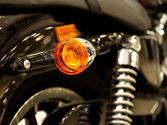
Motorcycles may optionally be equipped with a hazard warning (emergency) signal.
Front fog lights may only be used in fog, heavy rain, snow, or similar low-visibility conditions.
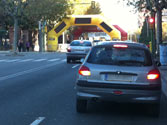
Red lights at the rear of the vehicle ahead indicate that it is braking.
High beams are mandatory above 40 km/h on insufficiently lit interurban roads when not dazzling others.
Parked vehicles at night on insufficiently lit roads must use position or parking lights.
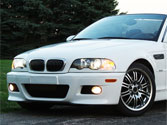
Do not use front fog lights on straight roads at night without adverse conditions.
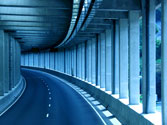
Always use position lights and low-beam headlights in tunnels and underpasses.
In heavy rain, use rear fog lights and front fog lights if available.
Regularly check your vehicle's lighting system for proper adjustment and operation.
Use position lights, dipped beam, and front fog lights in light fog.
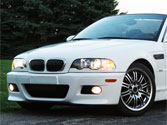
Front fog lights can be used on narrow roads with dangerous curves.
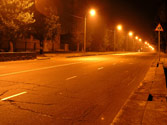
A road is insufficiently lit if you can't read a number plate at 10 meters.
On insufficiently lit through-roads, leave position lights or parking lights on when parked.
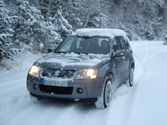
Use rear fog lights and front fog lights in very heavy snow.
Use rear fog lights in particularly unfavorable weather conditions.
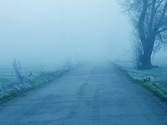
In dense fog or heavy rain, it's advisable to use dipped beam instead of high beam.
Avoid using high-beam headlights in fog at night to prevent glare.
High-beam headlights in heavy rain or fog can cause glare; use dipped headlights instead.
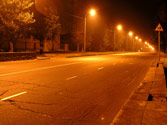
Use low beam headlights when driving at night on urban roads.
High-beam lights are prohibited when the vehicle is stopped or parked.
Motorcycles must use low-beam headlights during the day on all roads.
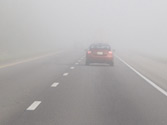
Without front fog lights, use low-beam headlights in fog or poor visibility.
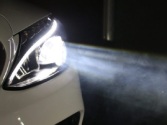
Vehicle lights are part of the active safety system to improve visibility.
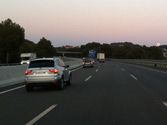
Use position lights and low-beam lights on interurban roads before sunrise.
Use hazard lights when transporting a sick person in an emergency.
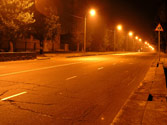
Do not use high-beam lights on urban through-roads.
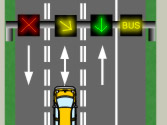
Use low-beam lights on reversible lanes during the day.
Signal protruding loads with a white light in reduced visibility conditions.
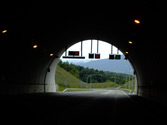
In insufficiently lit tunnels, use high-beam lights if they don't dazzle others.
In a traffic jam in a tunnel, keep hazard lights and position lights on.
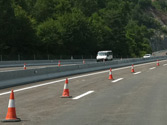
Use dipped beam lights in lanes authorized for opposite direction traffic.
On sufficiently lit urban roads at night, use position and dipped beam lights.
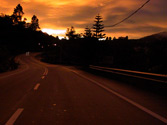
Do not drive with only position lights; use them with low beam at minimum.
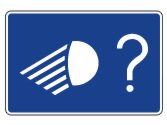
Keep dipped beam lights on if visibility conditions require it.
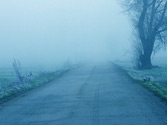
In thick fog during the day, use rear fog lights and low-beam lights.
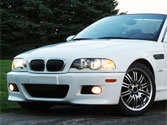
In daytime fog, you can use front fog lights with position lights only.
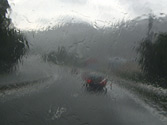
Rear fog lights are mandatory in very heavy rain.
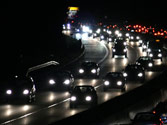
Use dipped headlights on urban and interurban roads between sunset and sunrise.
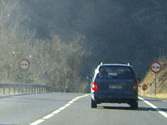
Do not use rear fog lights unless fog is dense.
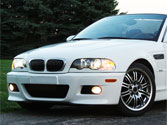
Use front fog lights with low beam at night.
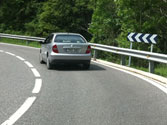
The inside vehicle on a curve switches to low beam first.
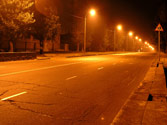
No lighting is needed to park on a sufficiently illuminated road in built-up areas.
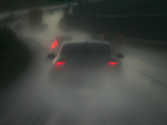
Use rear fog lights and low-beam headlights in very heavy rain at night.
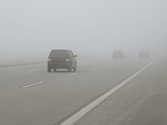
Use rear fog lights during the day in dense fog.
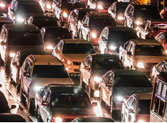
In a traffic jam at night, keep position lights on and turn off the engine.