Key Insights
2818 insights
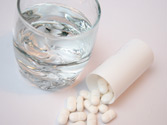
Always check medication side effects before driving.

Using headphones while driving is prohibited.
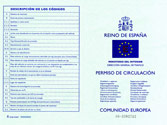
Vehicle holders must provide driver information when requested by authorities.
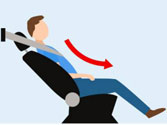
Always use the seat belt correctly to prevent the submarine effect.

Elderly drivers may struggle with complex traffic situations.

Do not drive with windows open if you have a respiratory allergy.

Not wearing a seat belt results in a loss of 4 points on your license.

Medical exemptions allow individuals to not wear seat belts.
Mortality in traffic accidents increases significantly from age 15 or 16.
Modern antihistamines are safer for driving but avoid mixing with alcohol.
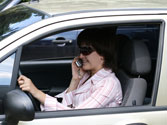
Using a mobile phone while driving leads to trajectory deviation.

Driving under the influence of alcohol or drugs is a crime.

Stress makes drivers more easily distracted.
Fatigue results in fewer steering corrections and slower reactions.
Proper vehicle maintenance reduces accident probability.

Drugs of abuse significantly impair driving abilities.
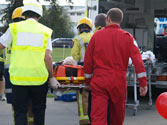
Reckless human behaviors remain a major factor in accidents despite technology.

Maintain at least 100 meters distance in tunnels when not overtaking.
Drinking and driving increases accident probability.
Young drivers often underestimate risk, leading to more accidents.
Most accidents occur on straight stretches due to driver relaxation.
Holiday periods see an increase in traffic accidents.
Respecting motorcyclists' right of way helps prevent accidents.

Use safety glasses if your helmet lacks a visor.
Drive on the shoulder and exit if moving slowly on a motorway.

Stop behind the barrier at movable bridges and level crossings.
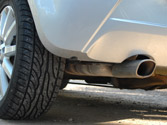
Keep the exhaust and silencer in good condition to reduce noise.

Carry at least one reflective vest in your vehicle.
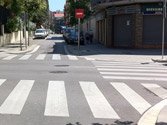
Do not signal pedestrians to cross at a pedestrian crossing.
Most fatal accidents occur on interurban roads.
Accidents peak in the afternoon during commuting hours.
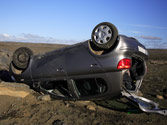
Road accidents are a global public health priority.

Coffee or tea do not lower blood alcohol levels.

Use non-sedating antihistamines when driving frequently.
Pregnant women must wear seat belts at all times.

Cocaine decreases a driver's ability to concentrate.
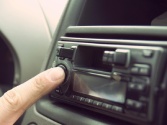
Adjusting the radio can distract the driver and increase accident risk.
Distraction at the wheel leads to slower reaction times.
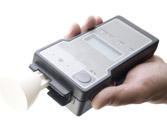
Pedestrians involved in accidents can be required to take alcohol tests.
Rest every 2 hours on long journeys to combat fatigue.

Alcohol is eliminated from the blood very slowly.

Do not drive after consuming amphetamines.
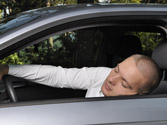
Sleepiness can cause accidents even during daytime hours.

Alcohol on a full stomach is absorbed more slowly but still risky.
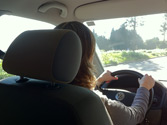
Headrest distance should be as small as possible, no more than 4 cm.

A second alcohol test is performed for greater certainty.

Pedestrians often violate rules, increasing their run-over risk.

Even small amounts of alcohol impair driving ability.
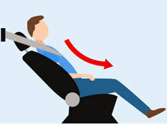
The submarine effect occurs when the body slides under the seat belt.
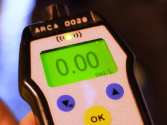
The safest blood alcohol level for driving is 0.0 grams per liter.