Chapter 14 Insights
Driving techniques · 76 insights
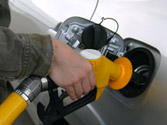
Increase your safety distance to gain reaction time, drive smoother, and save fuel.
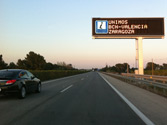
Efficient driving reduces accidents by combining vision, anticipation, and space.
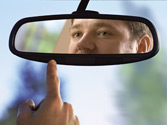
Check mirrors every 10–15 seconds on clear roads and motorways.
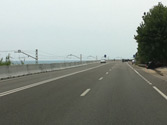
Preventive driving rests on three pillars: vision, anticipation, and space.
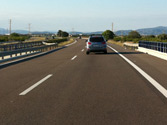
Smooth, efficient driving lowers stress and tension behind the wheel.
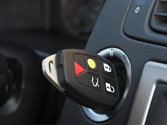
Switch off the engine during stops longer than 60 seconds to save fuel.
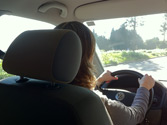
Defensive driving means looking far ahead, to the sides, and in the mirrors.
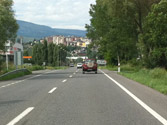
Efficient driving boosts comfort by reducing stress at the wheel.
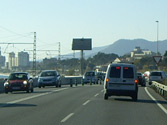
Efficient driving aims to cut fuel use, accident risk, and increase comfort.
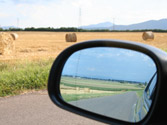
Check mirrors every 5–10 seconds in urban areas and on busy roads.
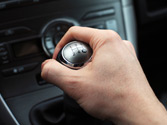
Shift up to a higher gear as soon as possible to save fuel.
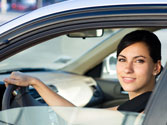
Open windows raise aerodynamic drag, increasing fuel consumption.
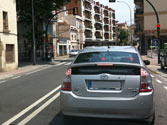
Decelerate by braking smoothly and progressively, skipping gears when downshifting.
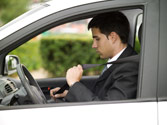
With diesel engines, wait a few seconds after starting to ensure proper lubrication.
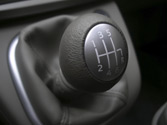
Shift gears in diesel engines between 1,500 and 2,000 rpm.
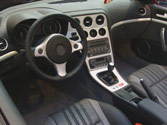
With petrol engines, set off immediately after starting to avoid idling fuel waste.
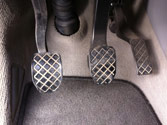
Revving while starting wastes fuel; modern engines don't need it.
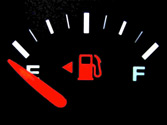
Smooth driving without sudden acceleration or braking saves fuel.
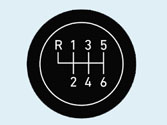
Use first gear only to set off, then shift up as soon as possible.
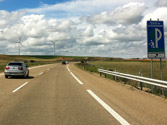
Greater safety distance means smoother reactions and lower fuel consumption.
Drive in high gears at low revs for maximum fuel efficiency.

Avoid overloading the vehicle since extra mass increases fuel consumption.
Maintain a steady speed and avoid unnecessary braking or acceleration to save fuel.
Efficient driving saves energy, lowers costs and noise, cuts accidents, and adds comfort.
Shift gears in petrol engines between 2,000 and 2,500 rpm.
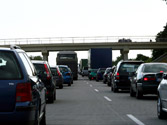
Maintain a distance of two to three metres in traffic jams to prevent collisions.
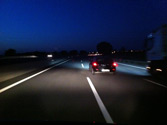
Drowsiness increases at night; ensure adequate rest before driving.
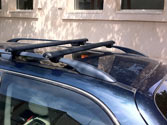
Remove the roof rack when not in use to save fuel.
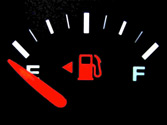
Keep windows closed to improve fuel efficiency.
Use dashboard air vents for ventilation to save fuel.
Reduce speed using brakes or engine braking to control vehicle speed.
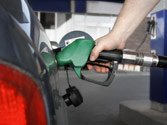
Adapt gears to driving conditions for optimal fuel efficiency.
In emergency braking with ABS, keep braking hard despite pedal vibrations.
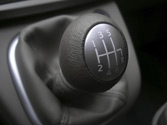
First and second gears provide more power for vehicle movement.
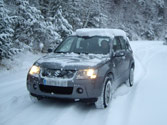
Brake and accelerate gently when driving in snow to avoid skidding.
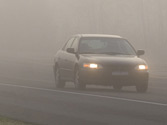
Fog reduces visibility and grip; drive cautiously and increase safety distance.
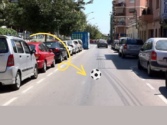
The distance from stimulus perception to response is called reaction distance.
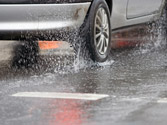
Rain decreases tire grip; reduce speed and increase safety distance.

In bad weather, reduce speed and increase safety distance to avoid skidding.
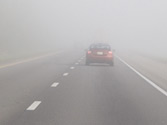
Drive smoothly and increase safety distance on slippery roads.
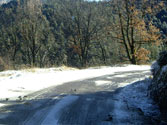
Use chains or studded tires to improve grip on icy roads.
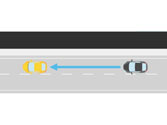
Stopping distance must be less than the distance to the obstacle.
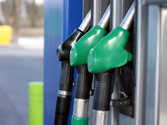
Turn off the engine during prolonged stops to save fuel.
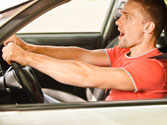
Aggressive driving increases fuel consumption; drive smoothly instead.
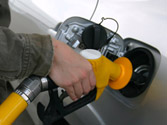
Drive smoothly without sudden braking or acceleration to save fuel.
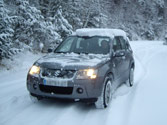
Use the longest gear and accelerate smoothly if stuck on ice.
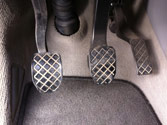
Pump the brake pedal in case of brake failure to regain control.
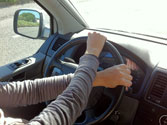
Never cross your hands on the steering wheel when turning.
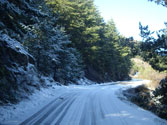
Climb snowy slopes smoothly and maintain a steady speed.
Engine braking reduces fuel consumption and extends brake life.