Chapter 14 Insights
Driving techniques · 76 insights
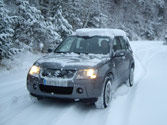
Use a high gear to start on snow to prevent wheel skidding.
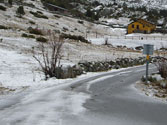
Braking distance on ice can increase up to 10 times.
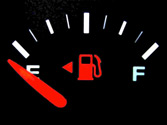
Switch off the engine during prolonged stops to conserve fuel.
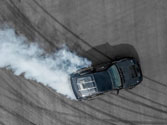
Stop braking immediately if your vehicle skids to regain control.

Turn the steering wheel toward the direction of a rear skid.
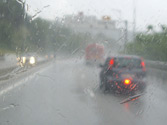
Aquaplaning occurs when driving at high speeds in rain.
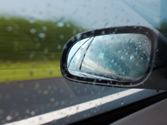
Roads are most slippery when it starts to rain after dry spells.
Press the brake and clutch pedals simultaneously in an ABS emergency.
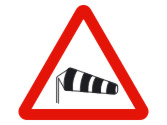
Gusty crosswinds are the most dangerous for vehicle stability.
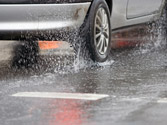
Wet brakes increase braking distance; test brakes after wet conditions.
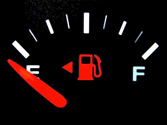
Driving style significantly influences fuel consumption; drive smoothly.
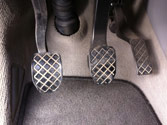
Continue pressing the brake if ABS activates and pedal vibrates.
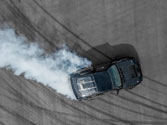
Never brake during a skid; maintain control by steering.
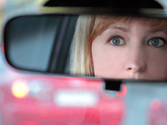
Check the rear-view mirror frequently but briefly while driving.

Turn the steering wheel towards the skid if the vehicle skids.
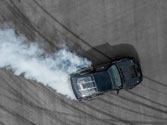
Do not brake when skidding to regain traction.
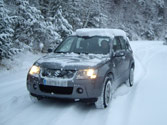
Use the highest gear possible to start on ice or snow.
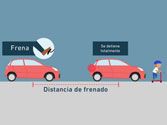
Braking distance on ice can be up to 10 times greater.
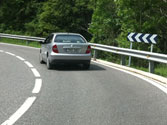
Brake before entering a curve and accelerate smoothly out.
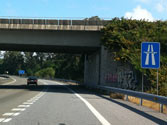
Accelerate to the appropriate speed by the end of the acceleration lane.
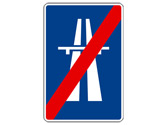
Readjust speed when leaving motorways to match conventional roads.
Lean in curves only when riding 2-wheeled vehicles.
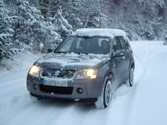
Use the highest gear and accelerate gently to get unstuck in snow.
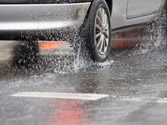
Rain is most dangerous when it first begins to fall.
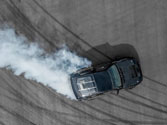
Abrupt braking is the most common cause of skidding.
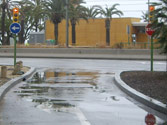
Rain wets the road and reduces tyre grip, doubling braking distance compared to dry conditions.