Chapter 13 Insights
Mechanics and maintenance · 98 insights
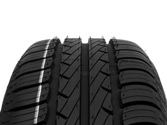
Minimum tread depth for safe driving is 1.6 millimeters.
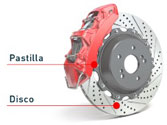
Regularly check brake pad wear for safe braking performance.
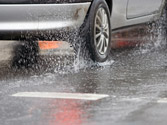
Wet brakes may temporarily lose effectiveness; dry them by pulsing the pedal.
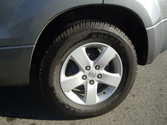
Replace brake pads at the first sign of wear to avoid damage.
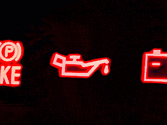
The oil pressure indicator should be off for correct lubrication.
A dirty air filter increases emissions and decreases engine performance.
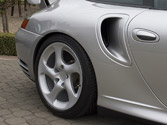
Poor shock absorbers increase braking distance dangerously.
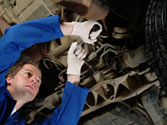
Driving with a dirty air filter increases vehicle pollution.
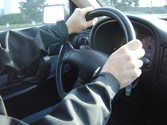
Periodically check power steering fluid levels for proper maintenance.
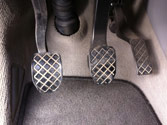
Squeaking brakes indicate worn pads that need replacement.
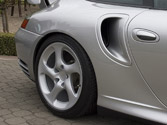
Poor shock absorbers increase braking distance and reduce safety.
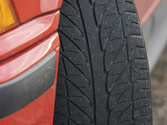
Centre tread wear indicates excessive tyre pressure.
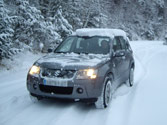
Install snow chains on the drive wheels for better traction.
Shock absorbers in poor condition increase braking distance.
Faulty shock absorbers lead to longer stopping distances.
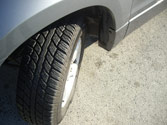
Side tread wear indicates low tyre pressure.
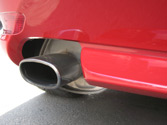
Avoid driving if your vehicle emits black smoke due to pollution.
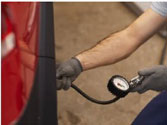
Tyre pressure should always match the manufacturer's recommendation.
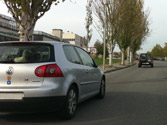
In front-wheel drive vehicles, the front wheels receive engine power.
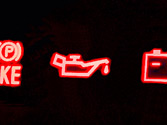
The oil pressure indicator should be off for correct lubrication.
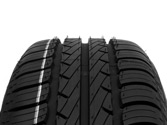
Central tread wear is caused by higher than recommended tyre pressure.
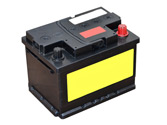
Keep battery terminals clean and well tightened for proper maintenance.
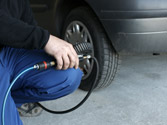
Periodically check tyre pressure when tyres are cold.
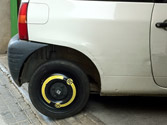
Drive cautiously with a temporary spare wheel, respecting speed limits.
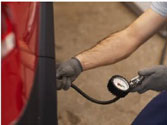
Check tyre pressure after driving a short distance to ensure accuracy.
Do not use lower octane gasoline than recommended by the manufacturer.
Squeaking brakes indicate worn brake pads needing replacement.
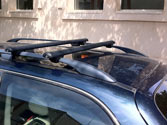
A roof rack increases fuel consumption due to reduced aerodynamics.
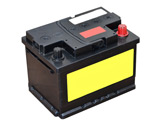
Check battery liquid levels and terminals for maintenance.
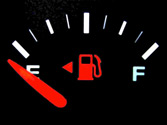
Higher fuel consumption directly means higher pollution, so drive efficiently to pollute less.
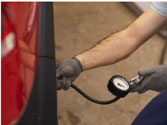
Always check tyre pressure with cold tyres and before starting to drive.
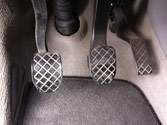
Lack of brake fluid is one of the most frequent causes of brake failure.
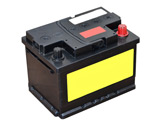
Maintenance-free batteries still need clean, tight terminals protected with grease.
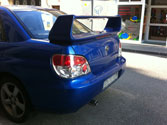
Adding non-original aerodynamic parts like spoilers increases drag and fuel consumption.
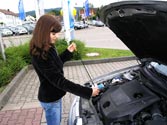
If the oil warning light stays off, oil pressure is correct.
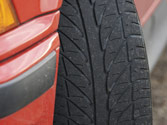
Studded tyres are allowed on both ice and snow as a substitute for chains.
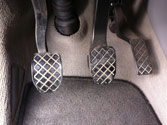
Loss of brake fluid or air in the circuit are common causes of brake failure.
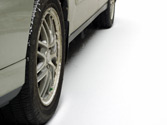
Under-inflated tyres increase fuel consumption and the risk of blowouts.
Irregular tyre wear typically indicates faulty shock absorbers needing inspection.
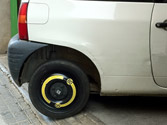
Use temporary spare wheels only to reach the nearest workshop, respecting their speed limit.
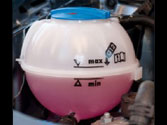
In winter, ensure the coolant contains antifreeze to prevent freezing.
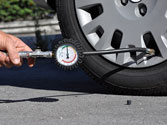
Over-inflated tyres reduce contact area and grip on the asphalt.
A high idle speed makes the engine consume more fuel unnecessarily.
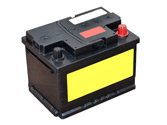
On maintenance-free batteries, only check that the terminals are clean and tight.
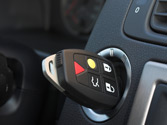
If the starter doesn't turn and lights fade, the battery is low on charge.
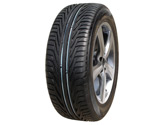
Inflate the spare tyre to the highest pressure recommended by the manufacturer.
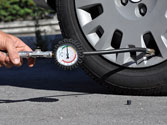
Use maximum recommended tyre pressure when fully loaded or driving long distances at high speed.
ABS prevents wheel lock-up during braking, preserving steering control.