Chapter 13 Insights
Mechanics and maintenance · 98 insights
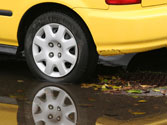
Wet roads reduce tyre grip, so slow down and double your safety distance.
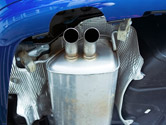
A damaged exhaust pipe makes the engine noticeably louder than normal.
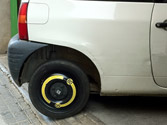
On a temporary spare tyre, never exceed 80 km/h and limit distance travelled.
Worn shock absorbers cause headlight oscillation that can dazzle other drivers.
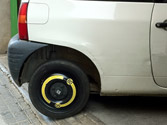
Always follow the manufacturer's instructions when using a temporary-use spare tyre.
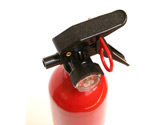
Private passenger cars and motorcycles are not required to carry a fire extinguisher.
Using the air conditioning increases engine load and therefore fuel consumption.
Preventive maintenance is essential to avoid accidents caused by mechanical failure.
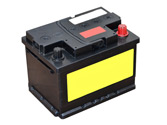
Top up a battery only with distilled water, never tap water or acid.
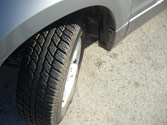
Incorrect tyre pressure causes uneven wear and increases the risk of a blowout.
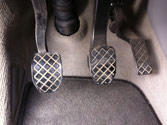
The foot brake acts on all four wheels; the handbrake only on the rear.
Truck drivers must carry an approved reflective vest in the vehicle.
Fire extinguishers are not compulsory in passenger cars or motorcycles.
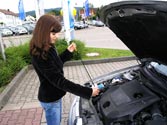
Check engine oil with the vehicle level and the engine stopped and cold.
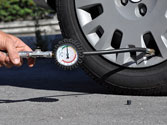
Check tyre pressure frequently and always before starting a long journey.
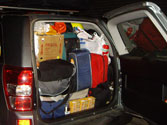
Exceeding the maximum authorised load impairs tyre performance and safety.
Drivers can prevent mechanical-failure accidents by keeping their vehicle properly maintained.
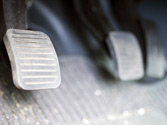
If the foot brake fails, downshift through the gears and use the handbrake progressively.
Reflective high-visibility vests carried in the vehicle must be type-approved.
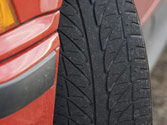
Heat accelerates tyre wear, so high temperatures shorten tyre life.
Trucks over 3,500 kg MAM must always carry an approved fire extinguisher.
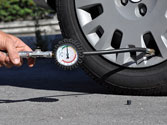
Always check tyre pressure when the tyres are cold for an accurate reading.
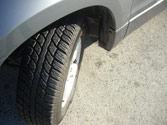
Regular tyre checks let you spot deterioration early and prevent blowouts.
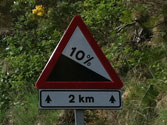
On long descents, shift to a lower gear to use engine braking and avoid brake fade.
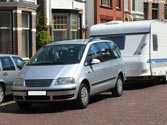
A spare wheel for the trailer is not compulsory, but a fire extinguisher is.
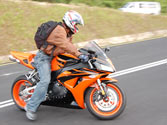
Smooth, efficient riding significantly reduces a motorcycle's fuel consumption and emissions.
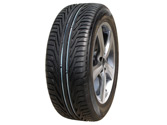
Underinflated tyres wear excessively on their outer edges.
Tyres are the vehicle component requiring the most frequent driver supervision.
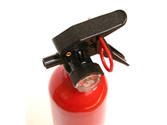
Passenger cars towing a trailer must carry an approved fire extinguisher.
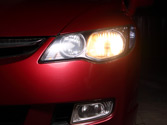
Regularly inspect your vehicle's lighting system for proper operation.
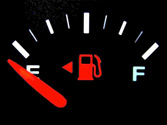
Check the ignition and fuel supply circuits if fuel consumption increases.
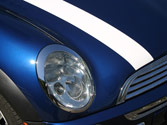
Inspect headlights and taillights for deterioration after exposure to heat.
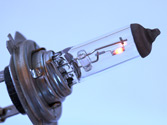
Replace vehicle bulbs immediately when their light intensity decreases.
The night vision assistant detects pedestrians or animals using infrared technology.
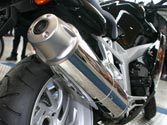
Maintain the exhaust pipe and silencer to avoid noise pollution.
Change the oil filter as indicated in the vehicle's manual.
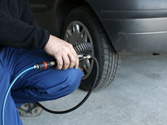
Always maintain tyre pressure as recommended by the manufacturer.
Proper vehicle maintenance reduces the likelihood of accidents.
Ensure tyre tread depth is never less than 1.6 mm for good grip.
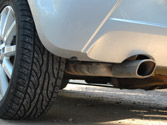
Do not drive with a damaged exhaust silencer due to noise pollution.
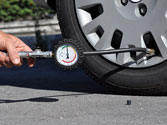
Check tyre pressure as recommended by the manufacturer, even in rain.
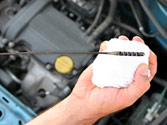
Use the dipstick to regularly check the engine oil level.
A functioning suspension keeps the vehicle in constant contact with the ground.
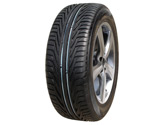
You can fit tyres with a higher speed code than recommended.
Tyre condition directly impacts braking effectiveness.
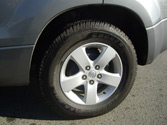
Low tyre pressure increases fuel consumption.
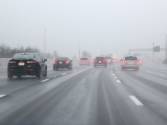
Wet conditions may cause temporary brake effectiveness loss.
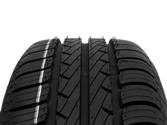
Replace winter tyres when temperatures rise to prevent faster wear.
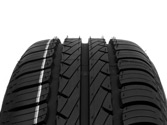
Ensure tyre tread depth is always above 1.6 mm for safety.
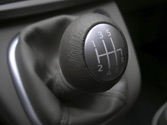
Avoid unnecessary gear changes to save fuel.