A tyre with incorrect inflation pressure...
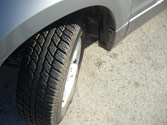
A)wears less and has a lower risk of a blowout.
B)normally consumes less fuel.
C)wears unevenly and has a greater risk of a blowout.Correct
It is important to check tyre pressure at least 1 or 2 times a month. This should be done when the tyres are cold and in accordance with the manufacturer's recommended pressures. Bear in mind that a tyre with incorrect pressure wears unevenly, presents a greater risk of a blowout, and can increase fuel consumption.
* With pressure lower than that indicated by the manufacturer:
- The edges wear more.
- The tyre deforms and heats up more.
- The risk of a blowout increases.
- Grip decreases and the risk of aquaplaning increases (the tyres cannot disperse the layer of water on the road surface and lose grip).
- Fuel consumption increases.
* With pressure higher than that indicated by the manufacturer:
- The centre wears more.
- The contact area with the road surface and grip decrease.
- Road irregularities are not absorbed well (more vibration and suspension deterioration).
* With pressure lower than that indicated by the manufacturer:
- The edges wear more.
- The tyre deforms and heats up more.
- The risk of a blowout increases.
- Grip decreases and the risk of aquaplaning increases (the tyres cannot disperse the layer of water on the road surface and lose grip).
- Fuel consumption increases.
* With pressure higher than that indicated by the manufacturer:
- The centre wears more.
- The contact area with the road surface and grip decrease.
- Road irregularities are not absorbed well (more vibration and suspension deterioration).