Chapter 6 Insights
Speed · 169 insights
Higher speeds shrink your visual field and make traffic signs harder to perceive in time.
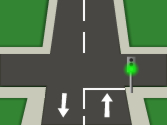
Urban roads with one lane per direction have a 30 km/h generic speed limit.
The appropriate speed always lies between the minimum and maximum permitted limits.
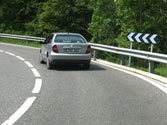
Always brake and adjust speed before entering a curve, never during it.
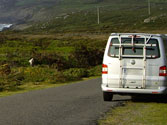
Reduce speed when passing stopped vehicles only outside built-up areas.
Officers may immobilize vehicles exceeding regulatory limits for emissions, fumes, or noise.
Heavier loads increase braking distance, requiring lower speed and greater following distance.
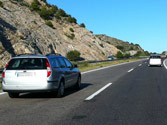
On motorways and dual carriageways, the minimum speed is 60 km/h.
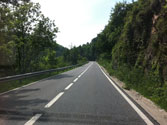
Motorcycles have a 90 km/h generic maximum speed on conventional roads.
Inappropriate speed dramatically increases the probability of a fatal accident.
Never drive parallel to two-wheelers; they're hard to see and easily fall into blind spots.

The higher the speed, the smaller the visual field, eventually causing tunnel vision.
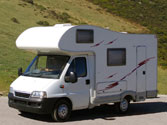
Motorhomes over 3,500 kg MAM are limited to 80 km/h on conventional roads.
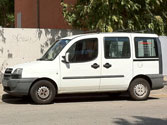
Multi-purpose vehicles have a 100 km/h maximum speed on motorways and dual carriageways.
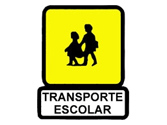
Always reduce speed and be ready to stop when approaching a stopped bus picking up passengers.
Inappropriate speed prevents you from controlling the vehicle in an emergency.
Always reduce speed on wet roads, as grip decreases and braking distance increases.
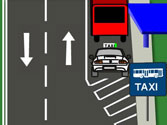
Urban roads with one lane per direction have a maximum speed of 30 km/h.
Braking distance is what's covered from applying the brake until the vehicle stops.
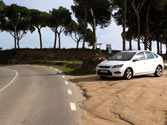
The maximum speed on unpaved roads is 30 km/h for all vehicles.
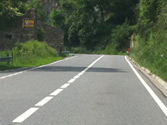
Speed limits cannot be exceeded even when overtaking, including on conventional roads.
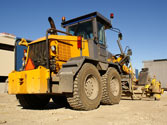
Special vehicles have a generic maximum speed of 40 km/h.
Appropriate speed allows you to anticipate others' actions and react in time.
Counter centrifugal force by braking before the curve and accelerating gently on exit.
Speed limits exist to ensure both safety and the smooth flow of traffic.
An abnormally reduced speed is one below the minimum permitted for the road.
Hazard lights must be used when a broken-down vehicle moves slowly to warn others.

Reduce speed and stop if necessary whenever pedestrians are on the carriageway.
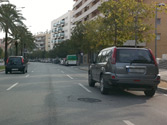
Urban roads with two or more lanes per direction have a 50 km/h generic limit.
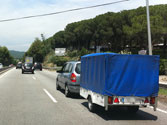
A car towing a trailer cannot exceed 90 km/h on motorways or dual carriageways.
Higher speed means more metres covered during the same reaction time.
Since March 2022, no vehicle may exceed the speed limit when overtaking.
Driving below the road's minimum permitted speed counts as abnormally reduced speed.
Reaction distance grows with speed, since more metres are covered before reacting.
A motorcycle is a two-wheeler with engine displacement over 50 cm³ or top speed over 45 km/h.
Increase the safety distance whenever speed increases.
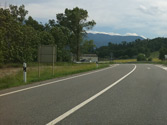
On conventional roads (90 km/h max), speeds below 45 km/h are abnormally reduced.
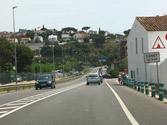
Through roads (travesías) have a 50 km/h limit, even when overtaking.
Driving at the legal maximum in heavy rain is still inappropriate speed.
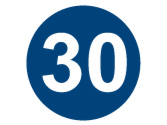
Driving below the minimum speed obstructs traffic and can cause accidents.
Speeds below 60 km/h on a motorway are considered abnormally slow.
You can exceed appropriate speed even within legal limits if conditions worsen.
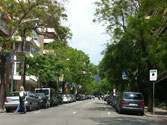
On urban roads with two lanes per direction, the default maximum is 50 km/h.
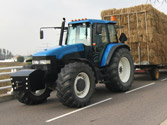
Special vehicles' rotating amber light signals position only and grants no priority.
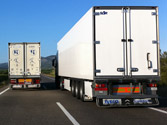
Lorries cannot exceed 80 km/h on conventional roads, not even when overtaking.
Reaction distance is travelled from seeing the hazard until operating the controls.
The generic maximum speed for motorcycles on conventional roads is 90 km/h.
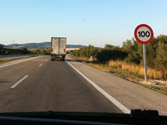
Posted speed limits cannot be exceeded for overtaking on motorways or dual carriageways.
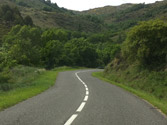
On conventional roads, the minimum speed for cars is 45 km/h, half the generic max.

Urban roads with two lanes per direction have a 50 km/h generic speed limit.