Chapter 3 Insights
Weights, dimensions, transport of persons · 102 insights
Minors under 1.35 m must sit in the rear seat with proper restraints.
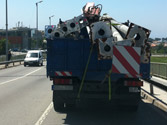
Indivisible loads on vehicles under 5 m can protrude one third from the front.
Never exceed the number of authorized seats in a vehicle.
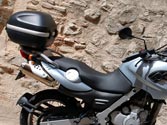
In vehicles under 1 m wide, loads can only protrude from the rear, up to 25 cm.
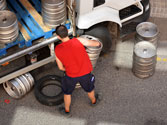
Loading and unloading must be done off the road, never on it.
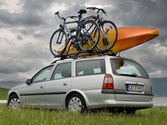
Loads can overhang the rear of a passenger car by 15% of its length.
Goods cannot be deposited on the carriageway during loading and unloading.
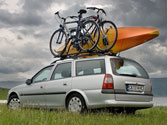
Roof loads must not compromise vehicle stability.
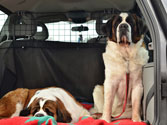
Animals in vehicles must be secured and not disturb the driver.
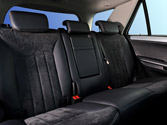
A vehicle cannot transport more people than authorized seats.
In passenger cars, rear load may protrude 10% of length, or 15% if indivisible.
Children under 12 generally cannot ride as motorcycle passengers, with limited family exceptions from age 7.
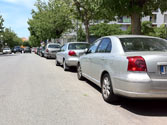
Before opening vehicle doors, ensure no danger or obstruction to other road users, especially cyclists.
On motorcycles, loads may protrude 0.25 m at the rear but never from the front.
Children may use standard adult seat belts only when taller than 1.35 metres.
Never drive exceeding the maximum authorised mass — it is dangerous and prohibited.
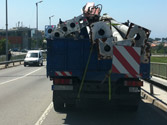
Protruding loads at night need a white light at the front and red light at the rear.
Loading and unloading must be done quickly, avoiding unnecessary noise and disturbance.
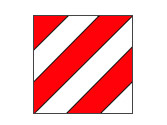
The V-20 panel marks rear-protruding loads on all vehicles except those under 1 metre wide.
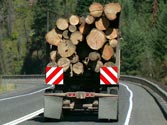
Two V-20 panels forming an inverted V indicate a load protruding across the full rear width.
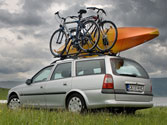
Rear-protruding loads on passenger cars must be signalled with the regulation V-20 panel.
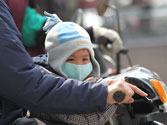
Passengers must never ride between the rider and the handlebars on a motorcycle.
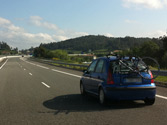
Rear-protruding loads must be marked with a V-20 panel placed at the load's rearmost end.
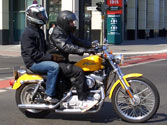
Carrying a passenger on a motorcycle increases the braking distance due to extra weight.
At night, mark protruding loads with white light front, red light rear, and the V-20 panel.
Loading and unloading must always respect stopping and parking rules.
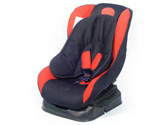
Child restraint devices must be chosen primarily according to the child's weight.
Wide lateral loads at night need white lights/reflectors front and red lights/reflectors rear.
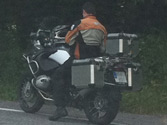
On vehicles under 1 metre wide, loads cannot protrude more than 0.50 m from the longitudinal axis.
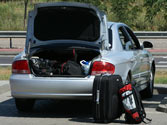
Loads should preferably be placed in the boot for safety and stability.
Loads in passenger cars may only protrude from the rear, never from the sides or front.
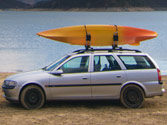
In passenger cars, indivisible rear loads may protrude up to 15% of the vehicle's length.
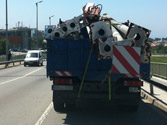
Two V-20 panels in inverted V shape signal a load protruding from the rear.
Loads must never extend through side windows; they may only protrude from the rear.
Vehicles under 1 metre wide may not have loads protruding more than 0.50 m laterally per side.
On motorcycles, loads can protrude up to 0.50 m on each side of the longitudinal axis.
Never deposit goods on the carriageway, hard shoulder, or pavement during unloading.
Minors over 1.35 m tall may occupy front seats with the seatbelt fastened.
Motorcycles may only tow trailers during the day under good visibility conditions.
Loads on motorcycles (under 1 m wide) do not require rear protrusion signalling.
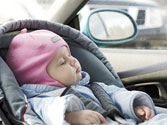
Always deactivate the front airbag when fitting a rearward-facing child seat there.
Loads must never obscure the vehicle's lights, signals, or the driver's manual signals.
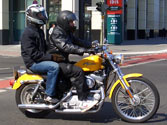
With a passenger on a motorcycle, extra rear weight makes the rear wheel less likely to lock.
Loads in passenger cars may never protrude beyond the lateral edges of the vehicle.
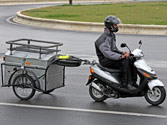
Motorcycles and similar vehicles may tow trailers only during daylight with good visibility.
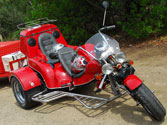
Three-wheeled vehicles may tow a trailer not exceeding 50% of their unladen mass.
A motorcycle rider's posture should be relaxed, natural, and comfortable for control.
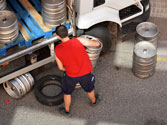
Loading and unloading should be done safely on the side closest to the carriageway edge.

Adult cyclists may carry a child up to seven years old in a type-approved additional seat.
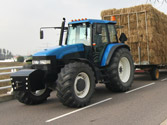
Special transport vehicles must use the amber rotating light day and night when below 40 km/h.