Chapter 3 Insights
Weights, dimensions, transport of persons · 102 insights

The driver is responsible for ensuring motorcycle passengers wear protective helmets.
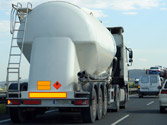
Vehicles over 12 metres long carry the V-6 plate, and dangerous goods carry the V-11 plate.
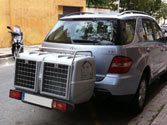
Rear-protruding loads on passenger cars must be marked both during the day and at night.
Motorcycle passengers must be at least 12 years old, or 7 if accompanied by a parent or guardian.
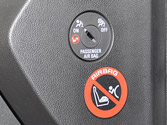
Always deactivate the front passenger airbag when installing a rear-facing child seat there.
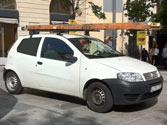
In passenger cars, loads can never protrude from the front or the sides.
In urban areas, loading and unloading must follow the times and places set by municipal authorities.
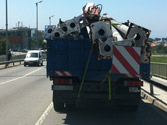
On goods vehicles over 5 m, indivisible loads may protrude 2 m front and 3 m rear.
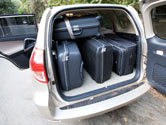
Driving with doors or boot open to increase capacity is strictly prohibited.

Dust-producing or spillable materials must be transported completely and effectively covered.
Passengers should enter or exit vehicles on the side closest to the road's edge.
A nine-seat car can only carry eight passengers, regardless of age.
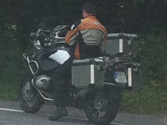
Secure luggage on motorcycles to maintain stability and safety.
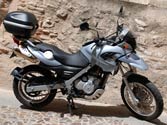
Loads on narrow vehicles must not protrude more than 0.25 meters at the rear.
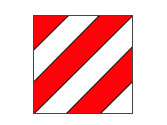
Signal rear-protruding loads with a panel only if it exceeds the vehicle's rear.

All taxi passengers must wear seat belts at all times.
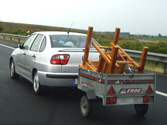
Ensure trailer loads are well distributed and securely fastened.

Adults can carry a child under seven in a special seat on a bicycle.
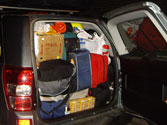
Driving with open rear doors is prohibited.
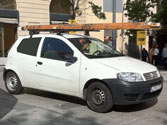
Front-protruding loads do not need to be signaled during the day.
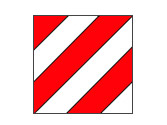
The panel indicates when a load protrudes from the rear of a vehicle.
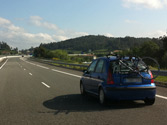
Mark rear-protruding loads with a regulatory panel during the day.
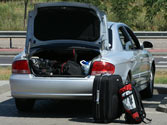
Preferably carry loads in the boot of the vehicle for safety.

The rear load signaling panel cannot be replaced by any other device.
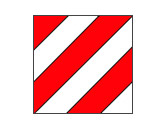
Mark rear-protruding loads with a panel and red light at night.
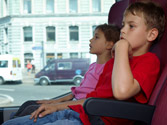
Every passenger, regardless of age, occupies one full seat.
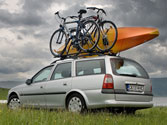
Rear-protruding loads must be signaled with a panel and possibly a red light.
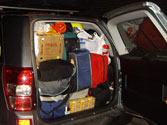
Heavy loads affect vehicle consumption, braking distance, and stability.
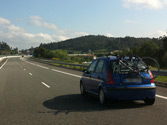
Preferably place loads in the boot to ensure passenger safety.

Bicycles can tow trailers if they meet specific weight and safety conditions.
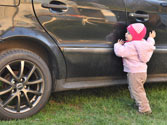
Minors under 135 cm must sit in the rear seats using proper restraints.
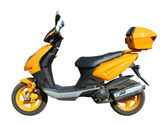
Mopeds can carry loads that protrude laterally up to 50 cm.

Driving with open rear doors in a van is prohibited.
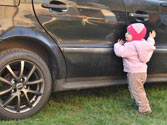
Minors under 135 cm cannot travel in the front seat without proper restraints.
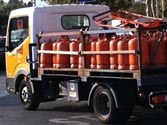
Unloading must not obstruct the road, hard shoulder, or pedestrian areas.

Every child under 12 occupies one full seat in a vehicle.
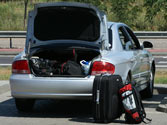
Driving with the tailgate open is not permitted.
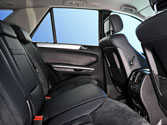
Transport only authorized numbers of people as per the vehicle's registration.
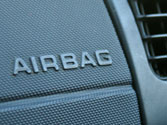
Disconnect the passenger airbag when using a rear-facing child seat.
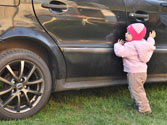
Children 130 cm tall can travel in the back seat with proper restraints.
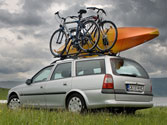
Indivisible loads in passenger cars cannot protrude laterally at all.
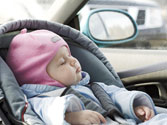
Minors over 135 cm can travel in the front seat with an adult seat belt.
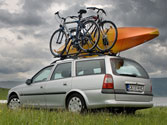
Passenger car loads cannot protrude laterally under any circumstances.
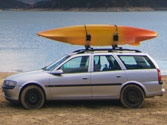
Roof rack loads on passenger cars cannot project laterally.

Minors under 135 cm cannot travel in the front seat.
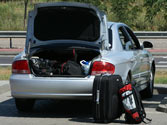
Load may be placed inside the vehicle if it does not obstruct safety.
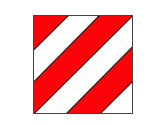
Mark rear-protruding loads with a panel; it's mandatory.

Minors measuring 1.40 m can travel in the front seat using a seat belt.
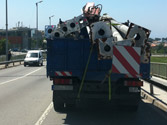
Mark protruding loads at night with specific lights and panels.
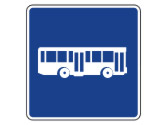
Minors under 135 cm must use rear seats unless exceptions apply.