Key Insights
2818 insights
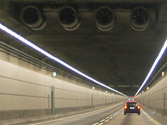
Overtaking is prohibited in tunnels with one lane in each direction.
Do not make left turns without sufficient visibility.
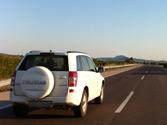
Overtake on the left, not the right, unless specific conditions apply.
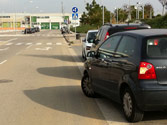
Always yield when merging into traffic.
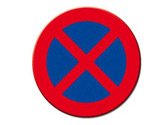
Stopping or parking on traffic separators is considered serious obstruction.
Entering an intersection in reverse is prohibited.

Exercise extra caution when overtaking cyclists with passengers.
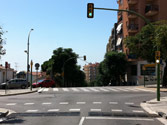
Park on the right side of the road in two-way traffic.
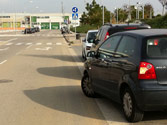
Ensure joining traffic is safe before merging.
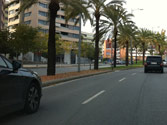
Overtaking on the right is allowed in urban areas with multiple lanes.
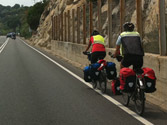
Be extra cautious when overtaking cyclists on long ascents.
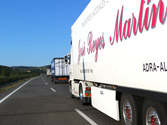
Only overtake multiple vehicles if you can return to the right safely.
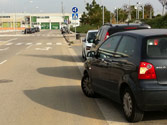
A parked vehicle does not have priority when joining traffic.
You can stop or park on the right side outside the carriageway.
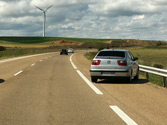
Stopping off the roadway on interurban roads is permitted on the right.
Use the deceleration lane to exit a dual carriageway as soon as possible.
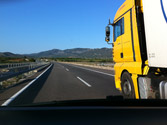
Return to the right lane after overtaking to avoid obstructing traffic.
U-turns are allowed only when they do not endanger others.
Always signal a reversing maneuver with the reversing light.
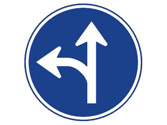
Follow directional arrows; U-turns are not allowed if prohibited.
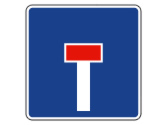
Reverse only as far as necessary to exit a dead-end street.
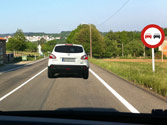
Do not overtake where a continuous line prohibits crossing.
Double-row parking is always prohibited.
Stopping is prohibited in lanes reserved for public transport.
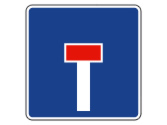
Reverse only the minimum distance necessary to exit a dead-end street.
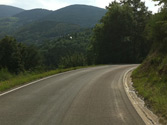
Left turns are prohibited on curves with reduced visibility.
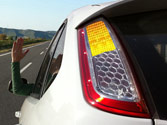
Follow the arm signal over the indicator if they contradict.
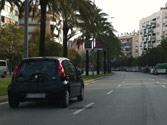
Use the left lane when intending to turn left, even if far away.
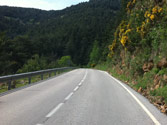
Keep close to the right edge when being overtaken.
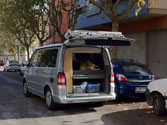
Double-row parking is prohibited at all times.
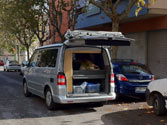
Parking in double row is never allowed.
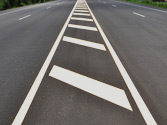
Stopping on traffic islands is prohibited and obstructive.
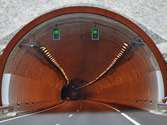
Changing direction in tunnels is prohibited.
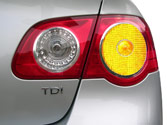
Turn off the indicator after completing the overtaking maneuver.
Maintain a lateral distance proportional to speed when overtaking.
Parked vehicles at night on insufficiently lit roads must use position or parking lights.
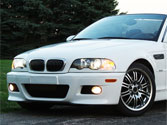
Do not use front fog lights on straight roads at night without adverse conditions.
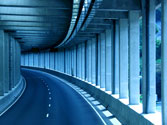
Always use position lights and low-beam headlights in tunnels and underpasses.
In heavy rain, use rear fog lights and front fog lights if available.
Regularly check your vehicle's lighting system for proper adjustment and operation.
Use position lights, dipped beam, and front fog lights in light fog.
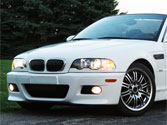
Front fog lights can be used on narrow roads with dangerous curves.
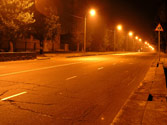
A road is insufficiently lit if you can't read a number plate at 10 meters.
On insufficiently lit through-roads, leave position lights or parking lights on when parked.
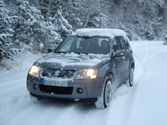
Use rear fog lights and front fog lights in very heavy snow.
Use rear fog lights in particularly unfavorable weather conditions.
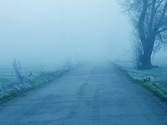
In dense fog or heavy rain, it's advisable to use dipped beam instead of high beam.
Avoid using high-beam headlights in fog at night to prevent glare.
High-beam headlights in heavy rain or fog can cause glare; use dipped headlights instead.
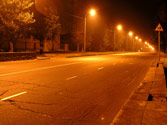
Use low beam headlights when driving at night on urban roads.