Chapter 6 Insights
Adverse Conditions, Efficient Driving and Vulnerable Users · 80 insights
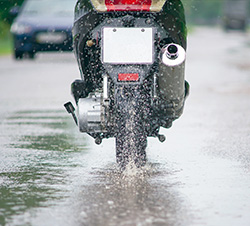
On a motorcycle in heavy rain, moderate your speed and even stop if necessary.
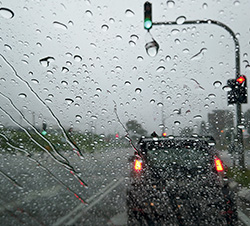
On pavement made slippery by rain, moderate your speed and stop if necessary.
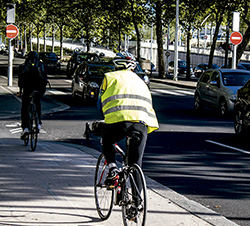
Near bicycle lanes, moderate your speed and stop if necessary.
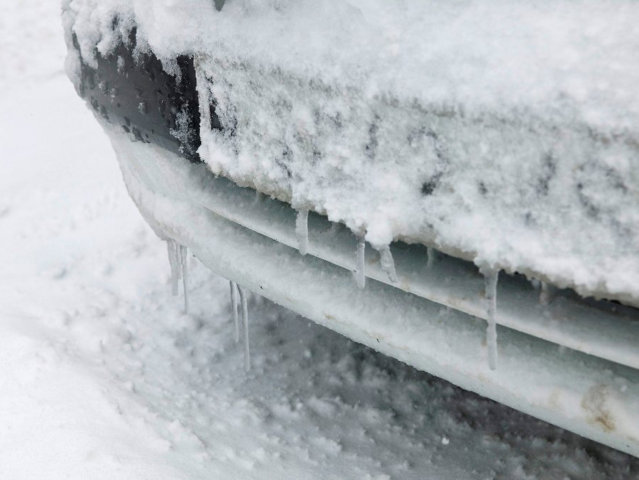
On icy slopes, use low gears to rely on the brake as little as possible.
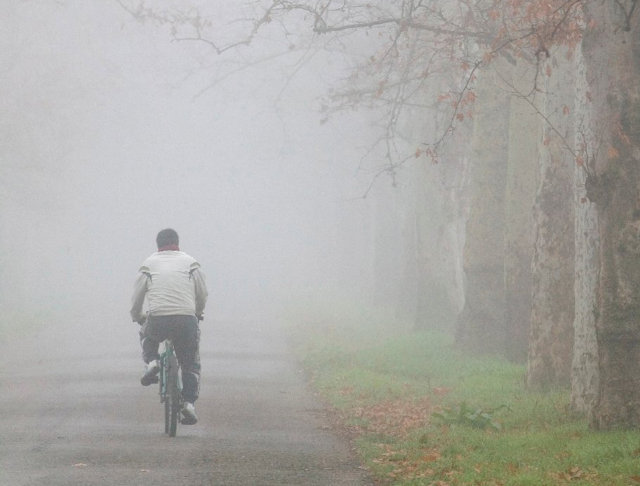
With poor visibility and cyclists present, exercise extreme caution to avoid accidents.
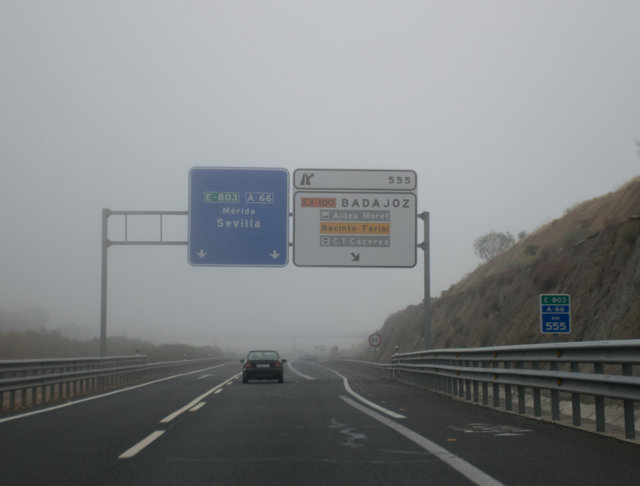
On a highway with dense fog, driving at an abnormally reduced speed is allowed.
Driving smoothly, without hard braking or sudden acceleration, saves fuel.
Air conditioning always increases fuel consumption.
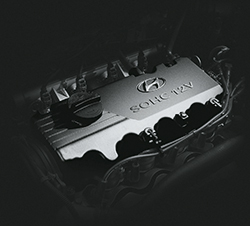
After starting a gasoline engine, begin driving immediately.
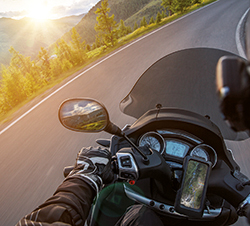
Driving style directly affects a motorcycle's fuel consumption.
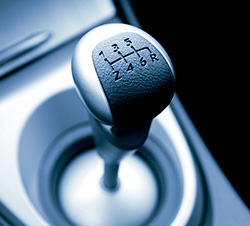
Avoiding unnecessary gear changes reduces fuel consumption.
Driving with a heavily loaded vehicle increases fuel consumption.
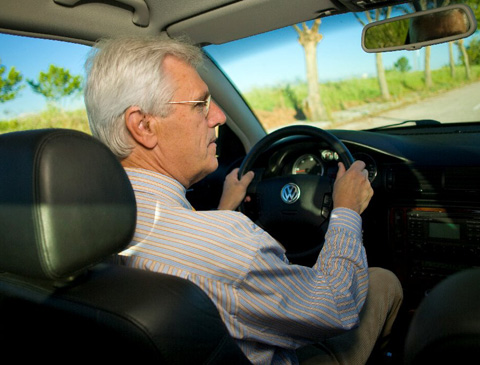
Efficient driving improves road safety as it aligns with defensive driving techniques.
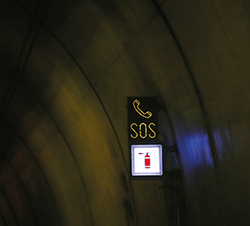
In a tunnel fire, move your vehicle to the right to make way for emergency services.
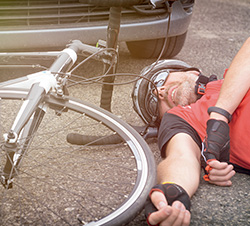
In collisions with cyclists, the most serious and fatal injuries are concentrated in the head.
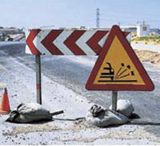
On gravel, increase the distance from the vehicle ahead to avoid impacts on your windshield.
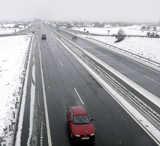
In snow, reduce your speed and handle the brakes and accelerator smoothly and progressively.
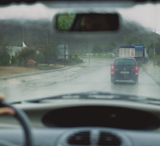
In torrential rain, park in a safe place and keep your position lights on.
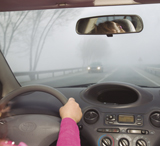
Motorcycles and mopeds are the vehicles most vulnerable to crosswinds.
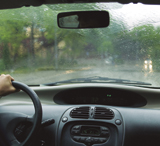
A layer of water reduces tire grip and can cause aquaplaning.
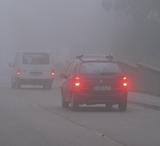
In fog, increase your safety distance to have more reaction time.
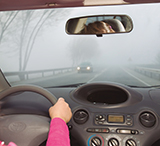
Crosswinds are most dangerous when finishing overtaking a large vehicle due to the shielding effect.
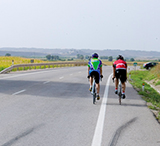
In rain or wind, cyclists easily lose stability; increase your safety distance.
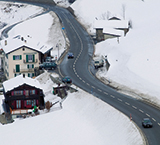
In adverse conditions, increase your separation to gain time and reaction space.
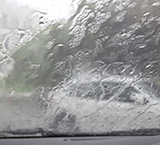
In heavy rain, reduce speed and increase distance because braking takes longer.
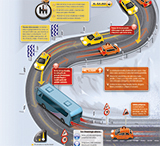
Descend mountain passes with ice patches using the lowest possible gear to avoid braking.
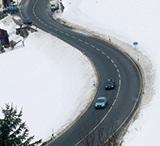
Driving in adverse weather conditions requires resting more frequently.
With ice on the road, drive very slowly to avoid having to brake.
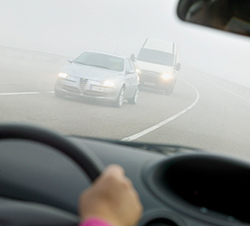
In fog, increase the safety distance from the vehicle ahead.
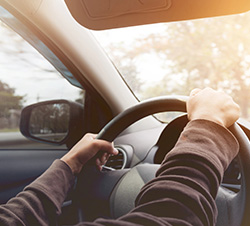
Avoid driving directly into the sun to maintain clear visibility.