Chapter 6 Insights
Adverse Conditions, Efficient Driving and Vulnerable Users · 80 insights
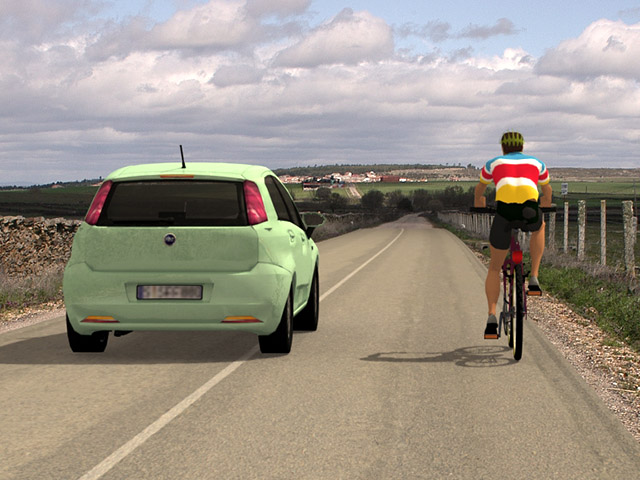
Cyclists must ride on the passable shoulder or, failing that, on the roadway.

Vulnerable users are pedestrians, cyclists, and drivers of two-wheeled and personal mobility vehicles.
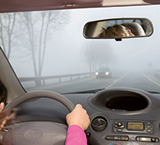
In fog, always reduce your speed even if it means going below the minimum.
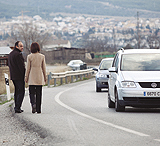
When passing pedestrians outside built-up areas, leave at least 1.5 metres of lateral separation.
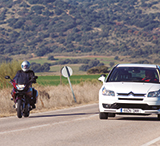
Even where overtaking is prohibited, you may pass cyclists by crossing into the opposite lane if it is safe.
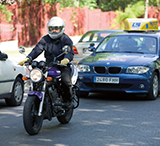
Keep your distance from motorcycles in the city, as they brake suddenly and are vulnerable to rear-end collisions.
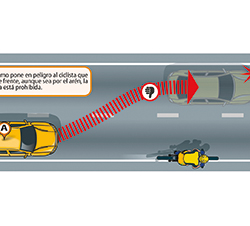
When overtaking cyclists you must leave at least 1.5 metres of lateral separation.
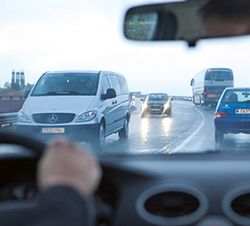
When overtaking vehicles that splash, take extra care due to loss of visibility.
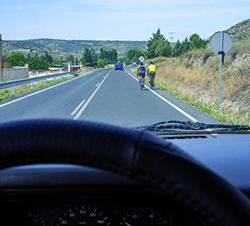
When overtaking cyclists, you may cross a solid line as long as you leave at least 1.5 metres of lateral separation.
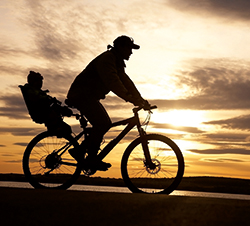
Take extra care when overtaking bicycles carrying a passenger due to their greater instability.
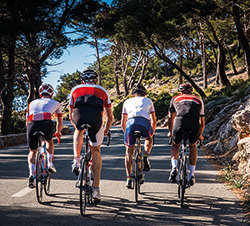
On uphill stretches, cyclists swerve due to the effort; overtake them with special caution.
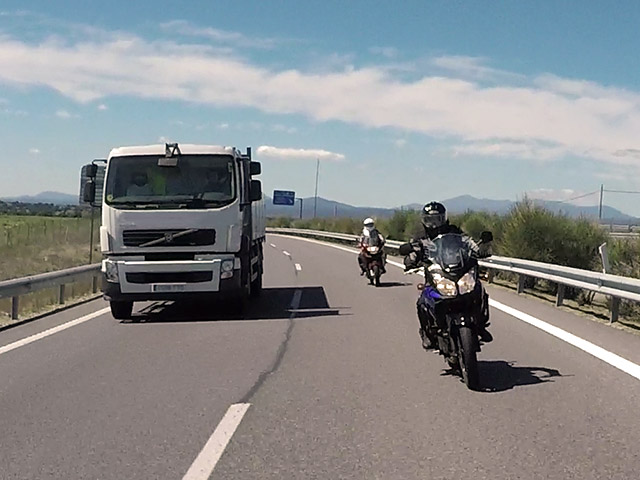
When overtaking, leave a minimum lateral separation of 1.5 metres.
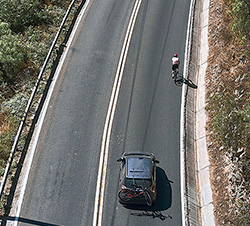
You may overtake cyclists by crossing into the opposite direction if it can be done safely.
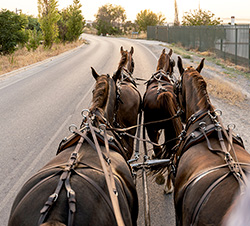
Outside built-up areas, leave at least 1.5 metres when overtaking animal-drawn vehicles.
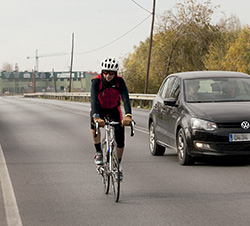
To overtake cyclists you may cross into the opposite direction if it is safe to do so.
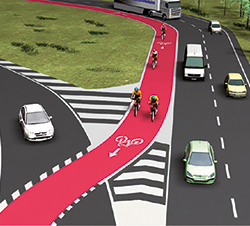
When crossing a signposted bike lane, cyclists have right of way.
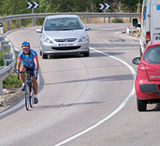
Warn cyclists with your horn from a distance so as not to startle or destabilise them.
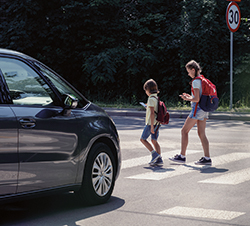
Children must not open the doors or get out until the vehicle has come to a complete stop.
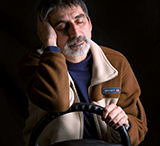
Monotonous routes reduce attention and encourage the onset of drowsiness.
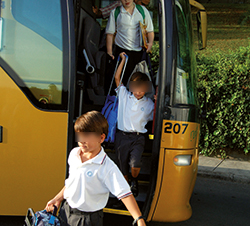
When a bus is letting children off, reduce your speed and stop if necessary.
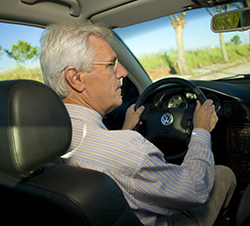
The road factor is compensated for by adapting your driving to the surrounding conditions.
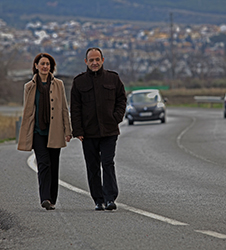
At night, pedestrians on interurban shoulders must wear reflective items visible from 150 meters away.
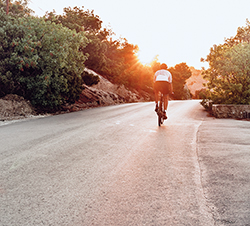
Avoid using the horn near cyclists, as it may startle them and cause falls.
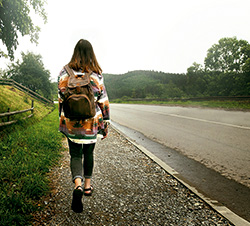
On interurban roads, pedestrians who are run over are usually walking on the roadway against regulations.
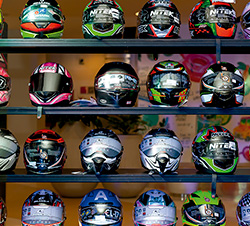
Light-colored or bright helmets increase the motorcyclist's visibility and safety.
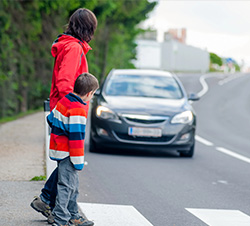
The groups with the highest accident risk are called vulnerable or at-risk groups.
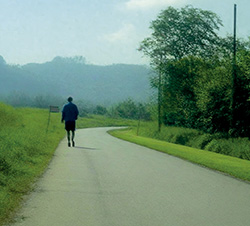
Without a sidewalk or usable shoulder, a pedestrian may walk on the roadway with caution.
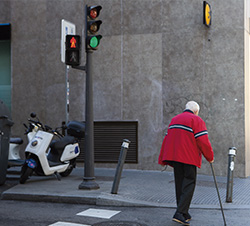
Older pedestrians often misjudge the speed of approaching vehicles.
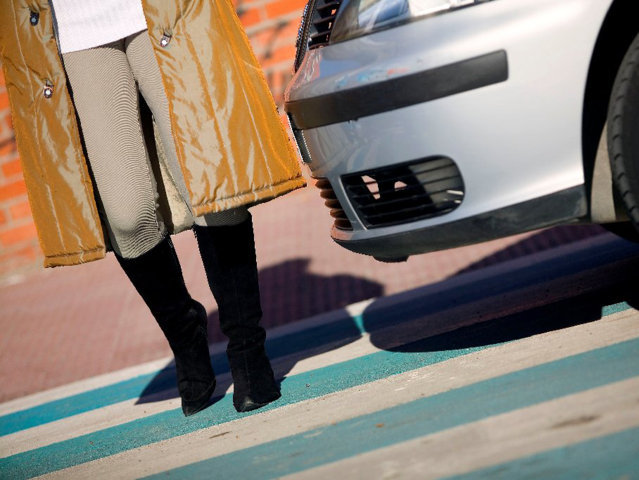
Pedestrians aged 75 or older are those who die most frequently in traffic accidents.
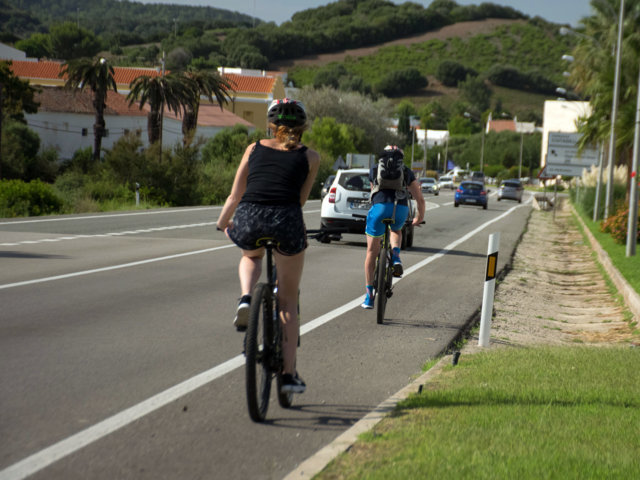
Most fatal cyclist accidents occur on conventional (two-lane interurban) roads, not highways or cities.
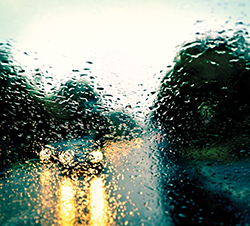
In adverse conditions, adapt your speed and stop if necessary without endangering traffic flow.
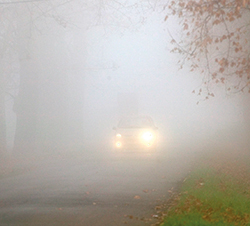
In thick fog, always reduce your speed to maintain control and visibility.
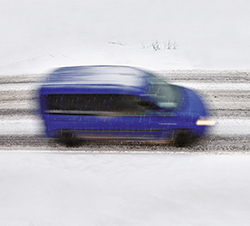
Braking sharply on snow causes a loss of grip and leads to skidding.
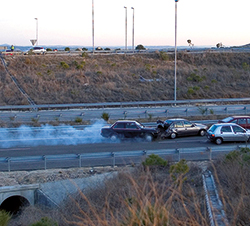
Snow or ice on the road considerably increases braking distance.
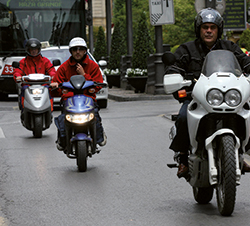
On a motorcycle, rain, wind, or ice increase the risk of falling when making sudden movements.
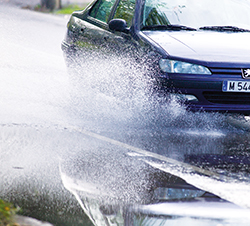
Puddles on the road require you to reduce your speed.
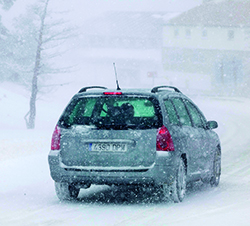
On ice, chains or studded tires improve grip.
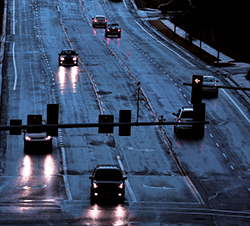
In rain, take extra precautions because tires lose grip.
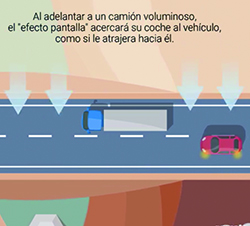
With strong crosswinds, reduce your speed and gently correct any deviations.
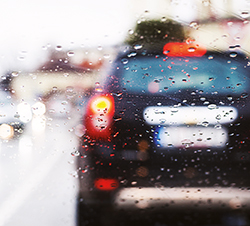
In rain, increase your safety distance because braking takes longer.
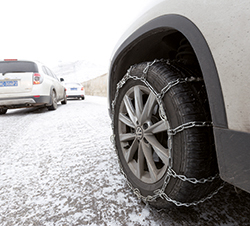
Chains are always fitted on the drive wheels.
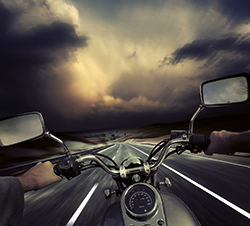
On a motorcycle in heavy rain, reduce your speed and even stop if necessary.
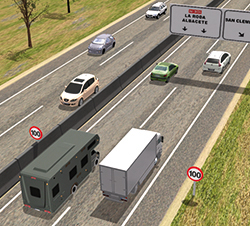
When overtaking in strong crosswinds, the shielding effect can suddenly push you toward the other vehicle.
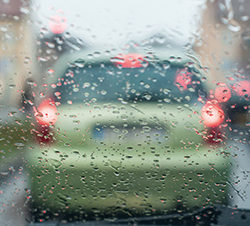
In heavy rain, reduce speed and increase your safety distance due to lower visibility.
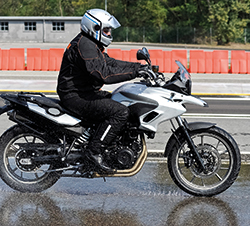
Motorcycles can also aquaplane, especially at high speeds.
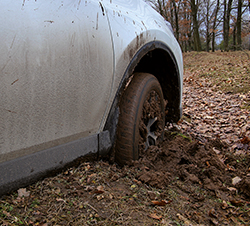
If your drive wheels are spinning in mud, prepare a stable surface next to them to regain traction.
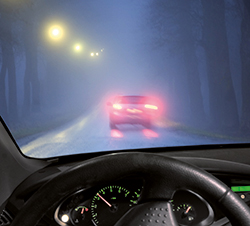
Fog dampens the road surface, reducing tire grip.
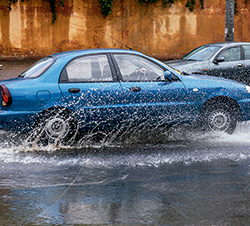
Rain reduces the tires' grip on the asphalt.
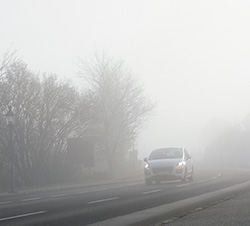
On wet pavement, drive smoothly without sudden movements, reducing speed and increasing the safety distance.
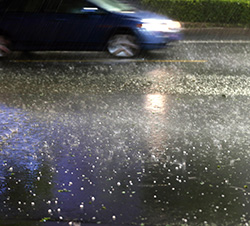
When facing hail, reduce speed without braking abruptly and increase your safety distance.