Chapter 5 Insights
The road · 143 insights
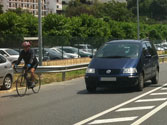
Cyclists ride on the hard shoulder; if none exists, hug the right edge of the carriageway.
Lanes reserved for specific vehicles don't count as normal-use lanes.
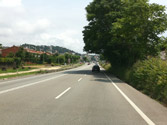
On interurban roads with multiple lanes, always drive in the right-hand lane unless overtaking.
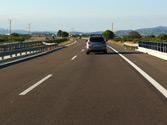
Breakdown on motorway: stay right; if seriously disrupting traffic, use the hard shoulder and exit ASAP.
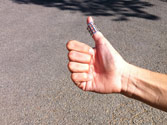
Hitchhiking and picking up hitchhikers is forbidden on motorways and dual carriageways.
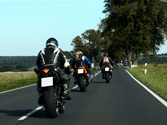
Speed competitions on public roads are prohibited unless expressly authorised.
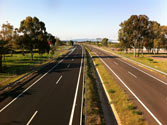
Mopeds, bicycles and slow vehicles are banned from motorways.
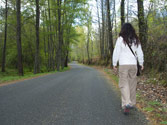
Pedestrians outside built-up areas walk on the left, but may use the right when safer.
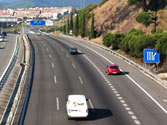
Before exiting via a deceleration lane, position yourself in the lane closest to that exit.
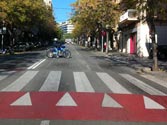
Raised pedestrian-crossing platforms aren't obstacles if they preserve user safety, especially for cyclists.
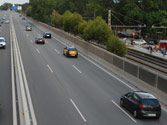
On motorways, normally drive in the right-hand lane.
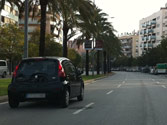
In built-up areas you may pick the lane suiting your destination, leaving it only to turn, overtake, stop or park.
Livestock travels along the right-hand hard shoulder, or hugs the right edge if forced onto the carriageway.
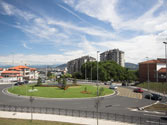
Pedestrians must go around squares and roundabouts, never crossing through them.
A crest is where two road sections of differing gradients meet.
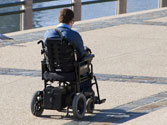
Reduced-mobility vehicles must use the hard shoulder when passable, and are banned from motorways/dual carriageways.
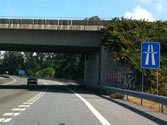
Cyclists are never permitted on motorway hard shoulders, only on dual carriageway hard shoulders.
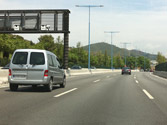
Outside built-up areas, return to the right-hand lane after overtaking; the left lane isn't for cruising.
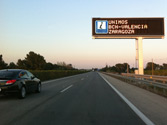
Slow breakdown on motorway disrupting traffic: use the hard shoulder and leave at the first exit.
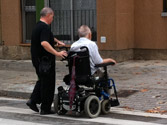
Wheelchair users may travel on the hard shoulder when taking proper precautions.
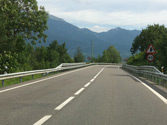
Without a hard shoulder, mopeds ride on the right using only the minimum necessary carriageway.
Pushing a moped or cycle, walk on the right edge of the carriageway or hard shoulder.
If breakdown forces abnormally reduced speed with rear-end risk, switch on the hazard lights.
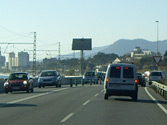
Safety distance depends on speed and on grip and braking conditions.
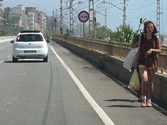
When the pedestrian zone is missing or impassable, pedestrians may use the hard shoulder.
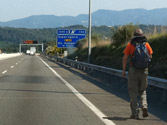
Pedestrians are prohibited on motorways and dual carriageways.
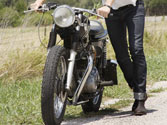
Pushing a non-cycle two-wheeler isn't pedestrian use: travel on the right edge of the carriageway or hard shoulder.
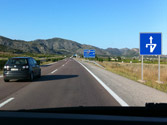
Hard shoulders are only for emergencies and breakdowns, never for normal driving.
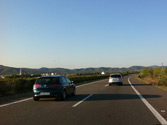
If you're not overtaking on a motorway, return to the right-hand lane.
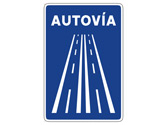
Cyclists over 14 may use dual carriageway hard shoulders unless signs prohibit it.
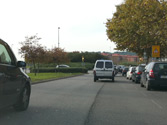
On unmarked one-way urban roads, use the right-hand lane and others only when needed.
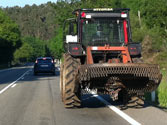
Cars must drive on the carriageway, never on the hard shoulder, except in emergencies.
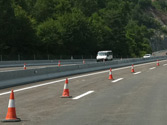
Lanes opened in the opposite direction for traffic flow are only for motorcycles and cars without trailers.
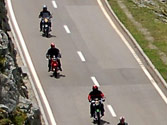
Mopeds must travel on the right-hand hard shoulder when passable and sufficient.
Mopeds are prohibited on motorways and dual carriageways.
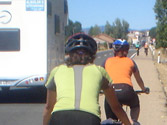
Cyclists may ride two abreast on the right where visibility is good and traffic isn't congested.
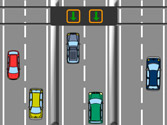
On three-carriageway roads, use the right one and the central one only when signs allow it.
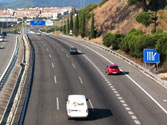
Car-trailer combinations under 7 metres long may use the left lane on three-lane interurban roads.
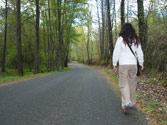
Pedestrians may walk on the carriageway when no hard shoulder exists or it's impassable.
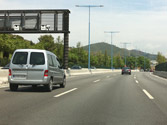
Vehicle combinations over 7 metres may use only the right lane and the adjacent one when conditions advise.
Cars towing trailers are prohibited from using the BUS-HOV lane.
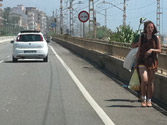
On interurban roads pedestrians normally walk on their left side.
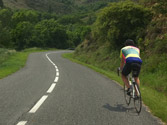
When no hard shoulder exists, cyclists ride along the right edge of the carriageway.
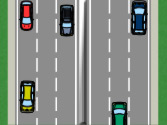
On urban streets with multiple lanes, choose the lane that best suits your destination.
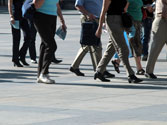
The most common pedestrian risk is positioning incorrectly on the carriageway or hard shoulder.
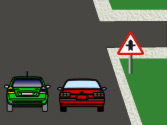
On unmarked urban two-way roads with two lanes per direction, drive right and use the second lane only to overtake.
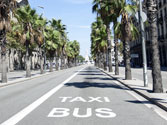
Bus lanes are off-limits to motorcycles and other private vehicles as a general rule.
At night outside built-up areas, pedestrians must wear reflective gear visible from at least 150 metres.
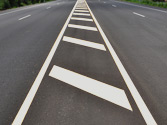
Continuous-line hatched zones forbid driving or stopping, except for vehicles required to use the hard shoulder.
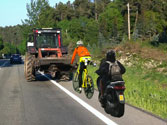
Only bicycles may travel two abreast on the hard shoulder, hugging the right edge.