Chapter 8 Insights
Basic Mechanics, Safety Elements and Accidents · 114 insights
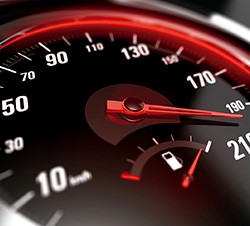
The higher the speed, the greater the likelihood and severity of injuries in the event of an accident.
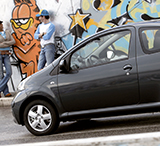
When parked facing downhill: engine off, parking brake engaged, and reverse gear selected.
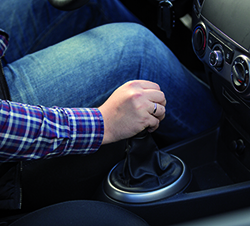
On an uphill slope, park with the handbrake on and first gear engaged.
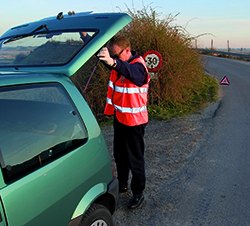
In case of a breakdown, signal the vehicle using the advance warning hazard triangles.
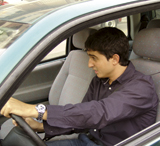
Avoid cushions on the seat: they alter your posture and reduce the seatbelt's effectiveness.
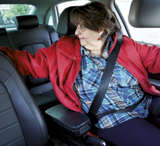
The seatbelt is not mandatory during reversing or parking maneuvers.
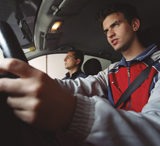
Without the seatbelt, the airbag and headrest lose their protective effectiveness.
Good vehicle maintenance reduces its risk factor while driving.
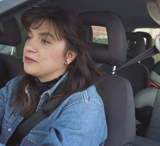
The central part of the headrest should be level with your eyes.
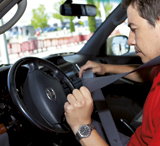
After an accident, inspect or replace the seatbelt: its webbing and anchor points may be damaged.
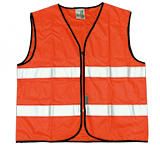
Always put on the reflective vest before getting out of the vehicle.
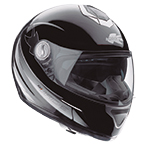
Choose a helmet with good ventilation to prevent the visor from fogging up.
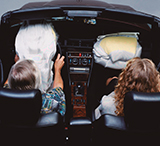
The airbag without a seatbelt can cause serious injuries: they always work together.
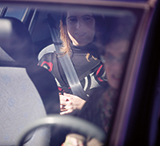
The seatbelt is the most effective passive safety system for preventing serious injuries at any speed.
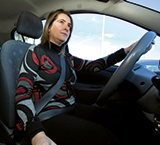
The seatbelt must be worn well stretched, with no slack, to retain its full protective effectiveness.
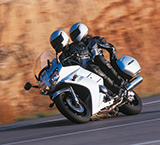
The motorcycle suit must withstand impacts and abrasion in the event of a fall.
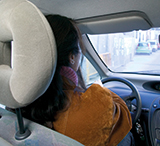
The headrest must be adjusted to the height of the head to protect the cervical spine.
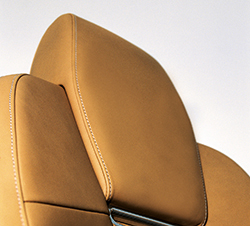
Adjust the headrests to the height of each occupant to prevent cervical injuries.

The airbag protects the face from windshield glass fragments in an accident.
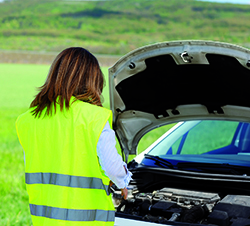
Wear the reflective vest when occupying the shoulder on interurban roads.
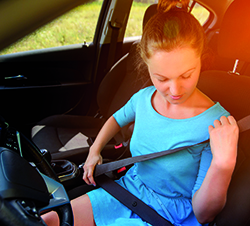
The seat belt prevents the submarine effect in case of an accident.
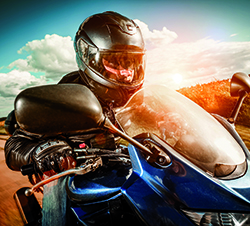
Motorcyclists are not required to wear a reflective vest.
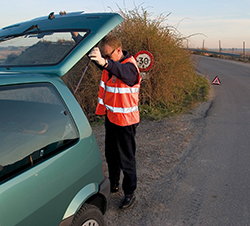
Wear a reflective vest when stepping onto the road or shoulder on interurban roads.
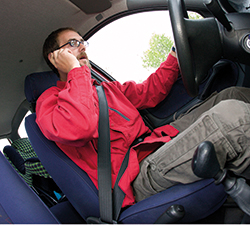
The abdominal strap of the seat belt must rest on the hip bones, never on the abdomen.
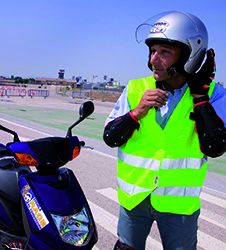
The helmet only protects effectively if the strap is properly fastened.
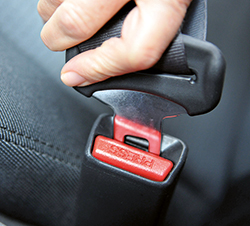
The seat belt must fit close to the body, not twisted, neither too tight nor too loose.
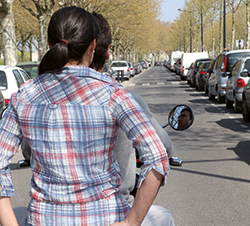
The driver is responsible for ensuring that their passenger wears a helmet.
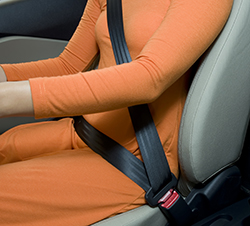
The submarine effect is caused by improper use of the seat belt, especially with the abdominal strap too high.
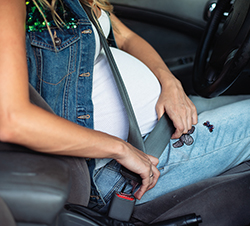
Pregnant women are also required to wear a seat belt.
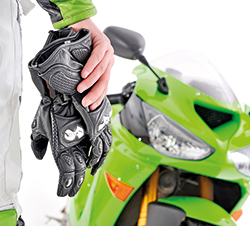
On a motorcycle, wear gloves year-round to protect your hands in case of a fall.
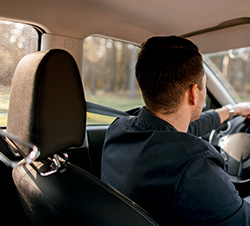
The headrest must be as close to the head as possible, never more than 4 cm away.
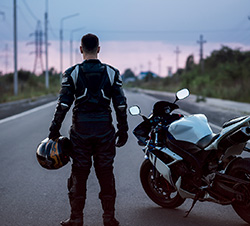
On a motorcycle, protective clothing is essential due to the direct exposure of the body.
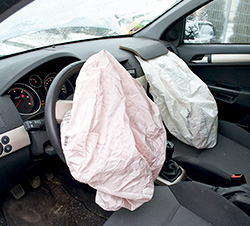
Deactivate the front airbag if you install a rear-facing child seat in the passenger seat.

All occupants of a car must wear the seat belt properly fastened.
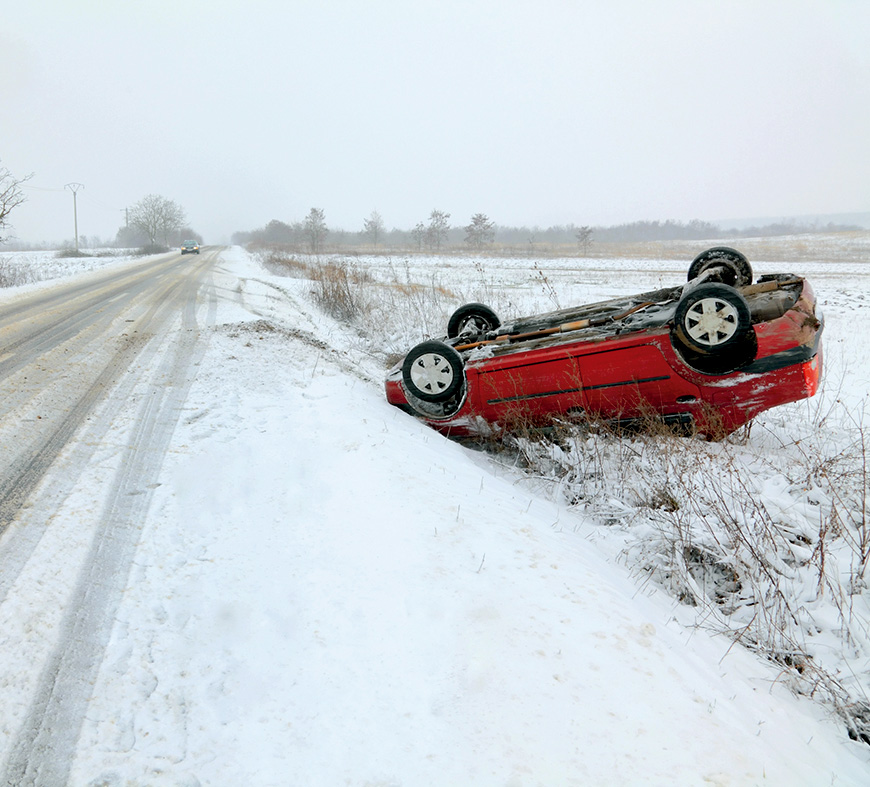
Not wearing a seat belt doubles the risk of death in all seats of the vehicle.
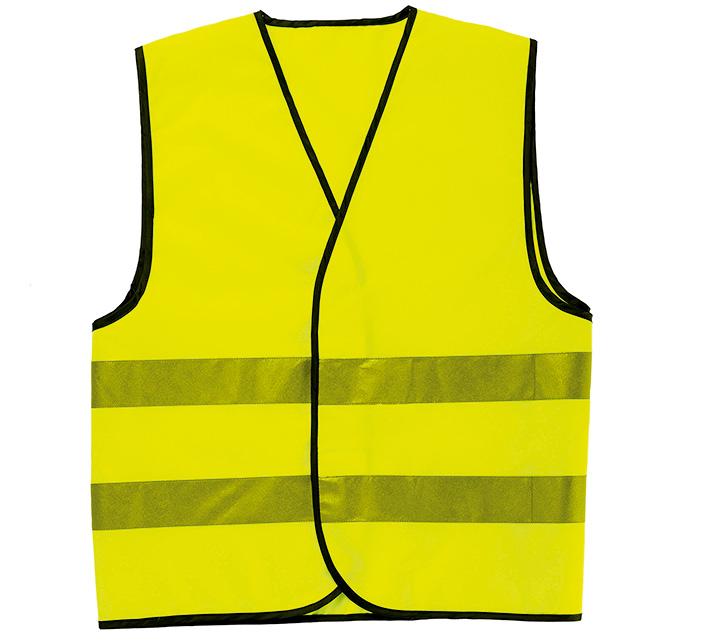
Only one reflective vest is required in the car, not one per occupant.
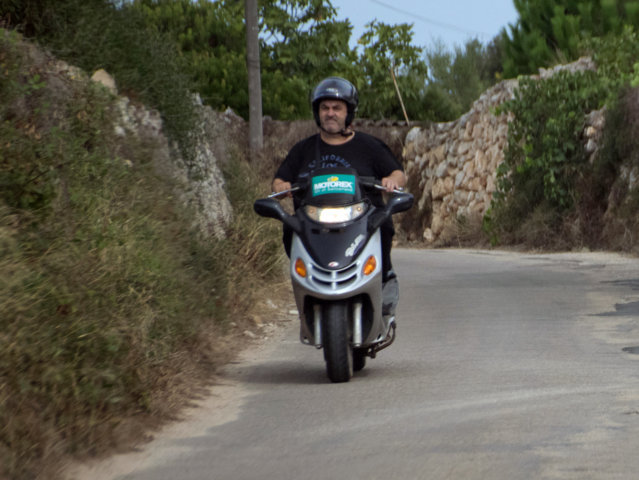
If your helmet lacks a visor, wear glasses to protect your eyes while riding.
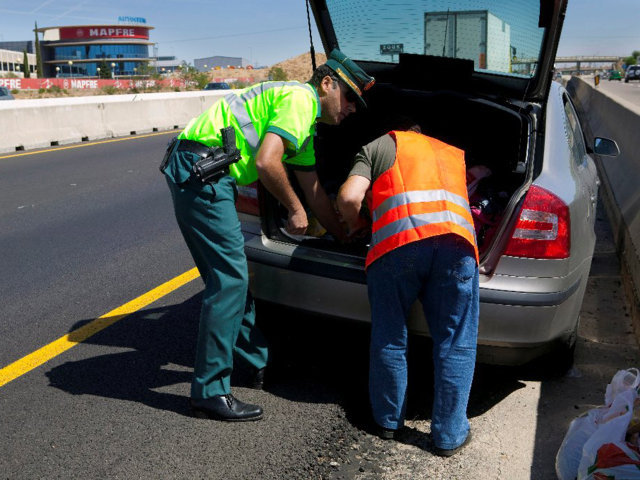
High-visibility reflective vests must be officially approved (homologated).
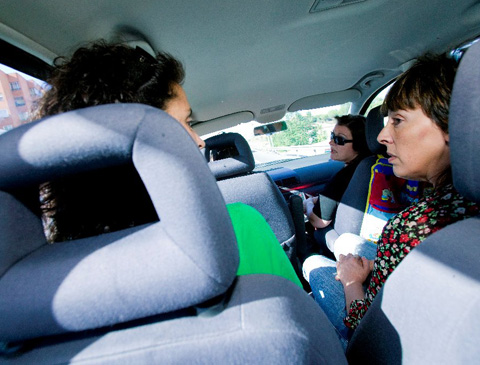
Always adjust rear-seat headrests too; they protect passengers from neck injury.
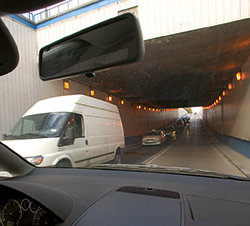
If you expect to be stopped in a tunnel for more than two minutes, turn off the engine.
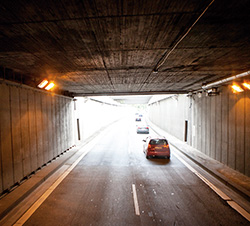
If you become immobilized in an underpass, call for help using the nearest emergency post.
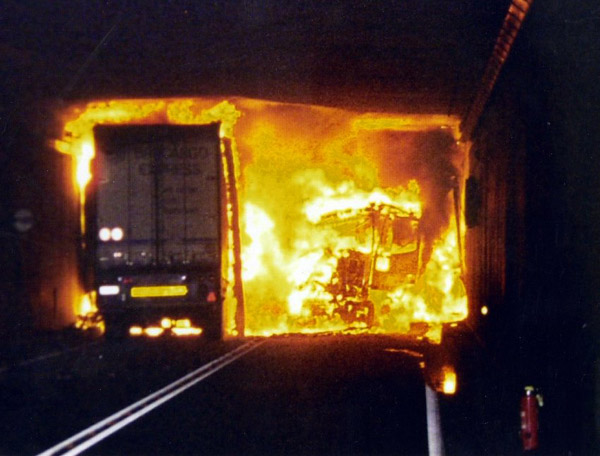
In the event of a tunnel fire, leave the vehicle with the key in the ignition and the doors open.
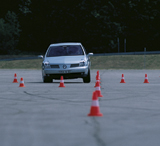
ABS prevents the wheels from locking during sudden braking, allowing you to maintain steering control.
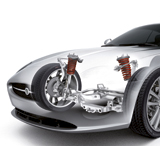
The suspension keeps the tires in contact with the ground to ensure stability and grip.
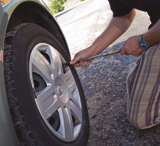
The correct tire pressure is always the one specified by the manufacturer.
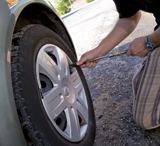
Check tire pressure frequently and always before a long trip.
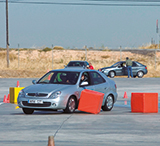
ABS prevents the wheels from locking during braking, allowing you to keep steering control.
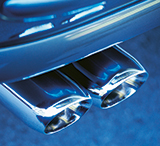
It is forbidden to drive with a damaged muffler due to the noise pollution it generates.
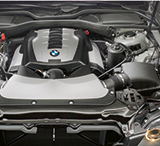
The air filter cleans the air that mixes with the fuel, protecting the engine.
Unequal pressures on the same axle cause the vehicle to pull toward the side with lower pressure.