Chapter 2 Insights
Road Signage · 154 insights
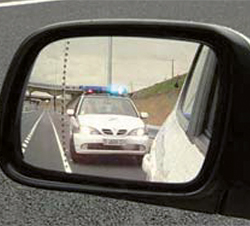
When signaled by police from behind, pull over to the right in front of the police car without creating hazards.
Dashed lines with more closely spaced segments warn of an upcoming section with special risk.
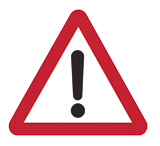
Triangular signs with a red border warn of an approaching hazard on the road.
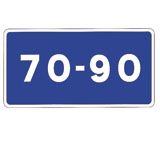
The recommended speed only applies under favorable weather and environmental conditions.
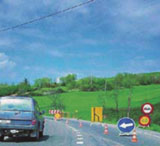
In case of contradiction, fixed beaconing takes precedence over vertical signage.
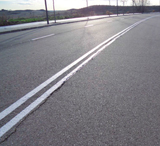
A double solid line is equivalent to a single solid line: it cannot be crossed.
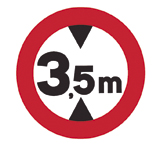
The limited height sign prohibits passage to vehicles taller than the indicated figure, including the load.
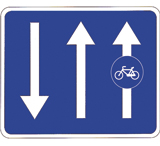
A round blue sign with a bicycle indicates a lane for the exclusive use of cycles.
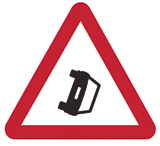
The triangle with a broken-down vehicle warns of an obstruction on the road.
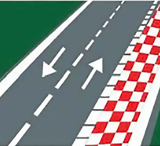
Red and white checkered markings indicate an emergency braking area: stopping and parking are prohibited.
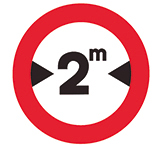
The limited width sign prohibits passage to vehicles wider than indicated, including the load.
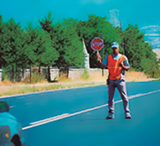
Instructions from road works personnel are mandatory and take precedence over all other signage.
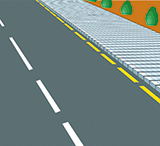
A dashed yellow line at the edge prohibits parking but allows stopping.
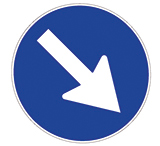
An arrow on a round blue sign indicates the mandatory side on which to pass a refuge or traffic island.
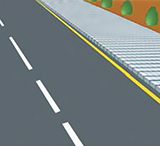
A solid yellow line at the edge prohibits both stopping and parking.
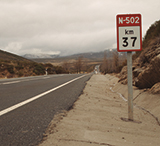
The edge line may only be crossed when necessary and when circumstances permit.
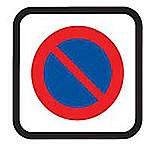
The limited parking sign allows parking according to the conditions on the supplementary panel.
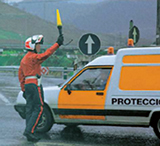
A red or yellow light swung by an officer requires those it is pointed at to stop.

The sign prohibiting entry to motor vehicles includes mopeds; only two-wheeled motorcycles are exempt.
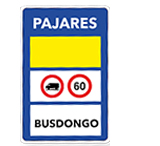
A yellow panel beneath a sign indicates a temporary restriction due to road works, with the indicated prohibition remaining fully valid.
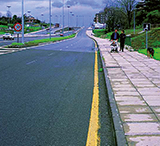
A continuous longitudinal yellow line prohibits both stopping and parking on that side of the road.
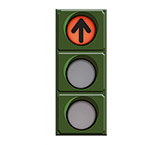
A black arrow on a red traffic light prohibits circulation only in the direction indicated by the arrow.
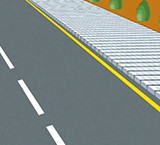
A continuous longitudinal yellow line prohibits stopping and parking on that stretch.
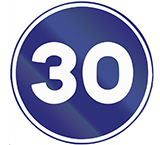
The minimum speed sign requires driving at least at the indicated speed while it remains in effect.
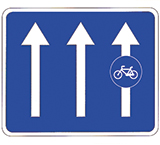
A lane marked with the bicycle symbol is reserved exclusively for the use of cycles.
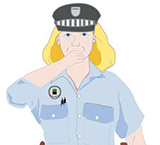
Short, frequent whistle blasts order you to stop; a long blast allows you to resume driving.
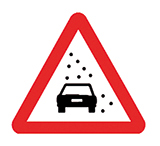
The reduced visibility sign warns of stretches with fog, rain or snow that limit vision.
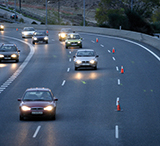
Cones on the road prohibit crossing the imaginary line that joins them together.
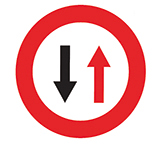
The priority to oncoming traffic sign requires you to stop if passing would force the other vehicle to brake.
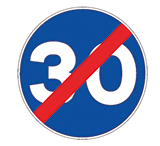
The end of minimum speed sign releases you from the obligation to drive at least at that speed.
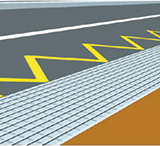
The yellow zig-zag marking prohibits parking but allows momentary stopping.
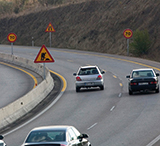
Roadwork signs have the same meaning as regular ones; only their yellow background and temporary nature change.
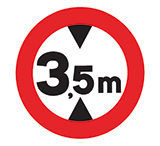
A sign with a height figure prohibits passage of vehicles exceeding the indicated height.
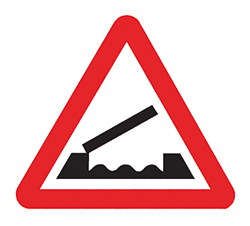
The movable bridge sign warns of the proximity of a bridge that can open to traffic.
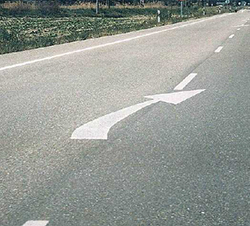
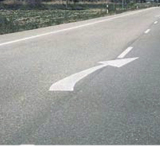
The return arrow on the pavement warns of the proximity of a continuous longitudinal line.
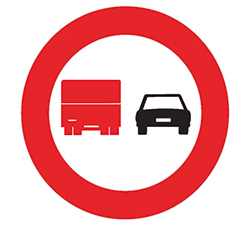
The no overtaking sign for trucks applies to vehicles exceeding 3,500 kg MAM.
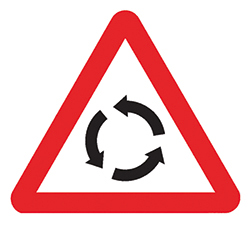
The intersection with circular traffic sign warns of the proximity of a roundabout.
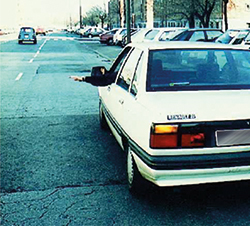
The driver's hand signals are only valid when they are clearly visible to other road users.
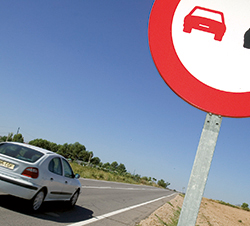
Vertical signage prevails over horizontal signage in case of contradiction.
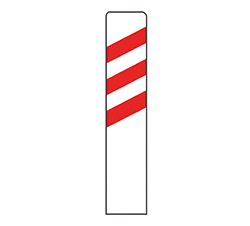
The St. Andrew's cross sign warns of a level crossing, movable bridge or dock.
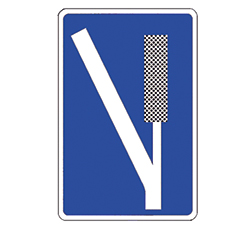
Escape lanes are reserved for stopping vehicles with brake failure.
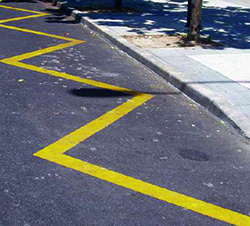
The yellow zig-zag line prohibits parking in that area.
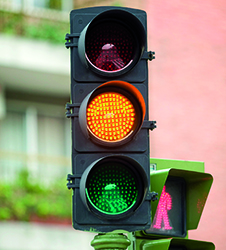
With a steady yellow light you must stop, unless you cannot do so safely.
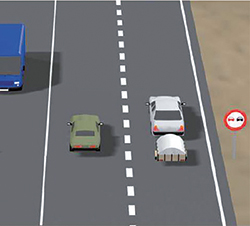
Wider broken lines mark special lanes, for entry or exit.
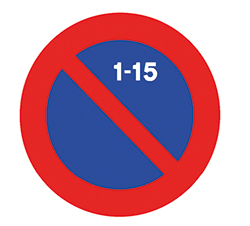
Parking is prohibited during the first fortnight: from the 1st to the 16th at 9 a.m.
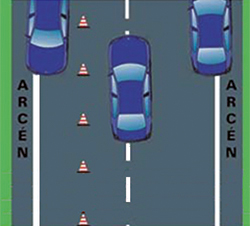
Cones indicate the temporary enabling of an additional circumstantial lane.
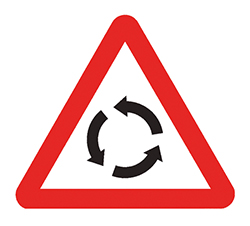
This sign warns of the proximity of an intersection with roundabout traffic.
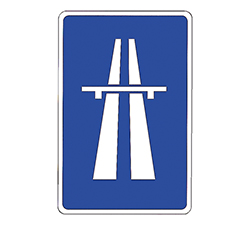
The sign with two separated roadways indicates that you are driving on a motorway.
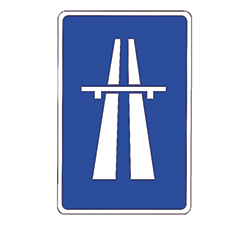
This sign marks the beginning of a motorway and its specific rules.
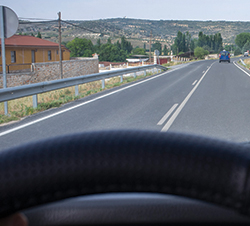
When solid and broken lines coexist, the one closest to your lane prevails.