A motorcycle helmet accidentally slips from your hands and falls onto the hard asphalt from a height of about 1.5 meters. On close inspection, you see absolutely no scratches, cracks, or dents on the outer shell. What is the safest and most accurate course of action?
A)You can safely keep using it. Since the hard outer shell shows zero visible cosmetic damage, the structural integrity of the helmet remains 100% intact.
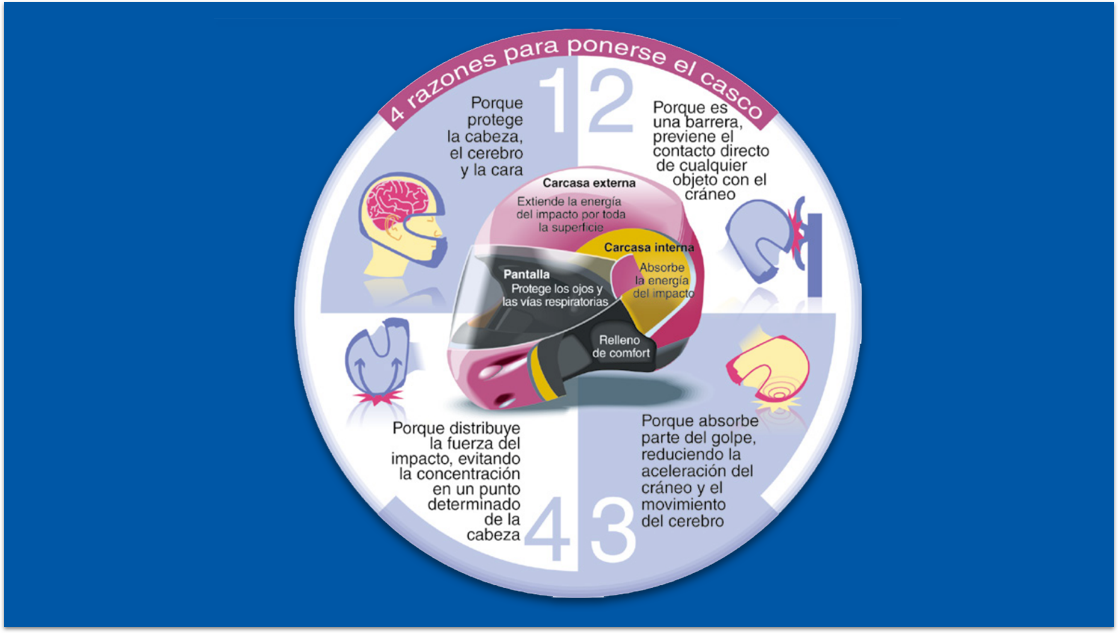
B)You must replace it immediately. Even without visible external damage, the inner EPS (expanded polystyrene) layer permanently compresses upon impact to absorb energy, leaving that spot completely unprotected against a future crash.Correct
C)You should wait and replace it only after its standard 5-year material lifespan expires, as minor drops do not alter the internal protective foam unless the outer shell breaks open.
This is one of the most dangerous misconceptions among riders. The inner impact-absorbing lining (EPS) is designed to deform and compress permanently when the helmet hits a hard surface—even during a simple drop from a bike's seat or your hands. Because this foam does not bounce back, it loses its ability to absorb shock in that specific area. If you hit your head in that exact spot during a real accident, the helmet will transfer the deadly impact energy directly to your skull.